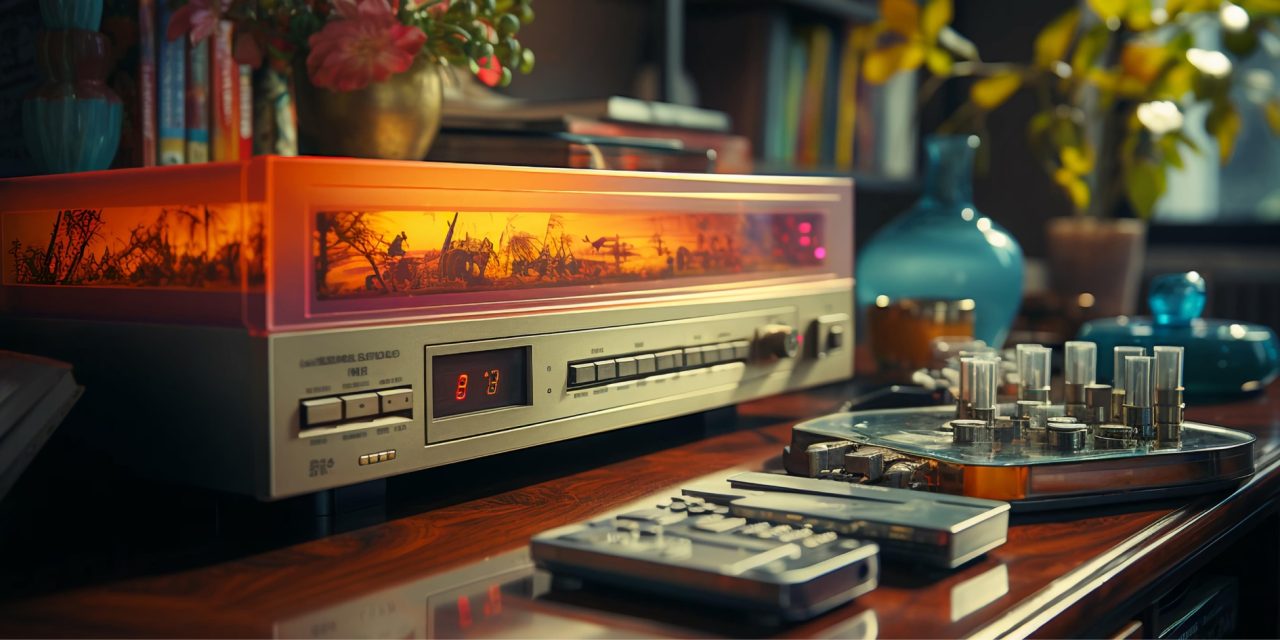
Lo-fi music has become one of the most widely discussed genres in recent years—not just for its calming effect, but also for the controversies it stirs. From bedroom producers to café soundtracks, lo-fi’s imperfect textures and nostalgic tones have taken center stage.
But with its rise comes heated debate: Is it a genuine art form or just a trend born from algorithmic appeal? As lo-fi’s presence spreads across platforms and demographics, questions surrounding its authenticity and artistic depth grow louder. This ongoing conversation reveals deeper tensions in the modern music landscape.
Criticisms and Debates
One of the central points of contention in the lo-fi discourse is its perceived lack of authenticity. Critics argue that the genre’s raw production and deliberate imperfections—like tape hiss, vinyl crackle, or ambient noise—undermine musical quality. To some, these elements feel gimmicky, a stylistic shortcut rather than a thoughtful artistic decision.
Another common critique lies in the over-saturation of lo-fi content on streaming platforms. With algorithm-driven playlists churning out endless beats, detractors claim the genre has become formulaic. This raises concerns about commodification, where creativity takes a backseat to quantity and passive consumption.
Yet many fans push back. They argue that these very imperfections give lo-fi its charm and emotional depth. Far from being lazy or fake, the genre’s aesthetic choices are deliberate—an effort to create warmth, honesty, and intimacy in an otherwise polished music world.
What Authenticity Really Means in Lo-Fi
To defend lo-fi is to understand its roots. Emerging in the late 20th century, lo-fi was a response to overproduced pop and polished mainstream hits. Artists deliberately chose simpler tools, often recording on outdated equipment or using raw, unprocessed sounds to maintain an organic feel. The result wasn’t just a genre, it was a philosophy.
Lo-fi creators embraced imperfection as a way to connect. The genre became a safe space for emotional expression, often without lyrics. In this stripped-down format, every crackle or minor glitch feels human. Rather than seeking approval from traditional gatekeepers, lo-fi producers built their own audiences—on SoundCloud, Bandcamp, and YouTube livestreams. Here, feedback came directly from listeners.
This democratization of music-making gave rise to a new kind of authenticity: one rooted in intention, accessibility, and emotional resonance.
Conclusion
Lo-fi music continues to challenge norms and defy labels. Its imperfections are not a sign of artistic failure but rather a conscious aesthetic choice that resonates with listeners seeking authenticity in a highly digital world. Despite criticism, the genre thrives because it speaks to emotion over ego and comfort over complexity. It has created a new space in music where vulnerability is embraced and perfection is optional.
The debates won’t end anytime soon—but that’s what keeps lo-fi dynamic. The genre’s ability to spark conversation is part of its strength. As long as artists continue to innovate and listeners continue to connect, lo-fi’s place in music culture is secure.
What’s your take—does lo-fi music reflect authenticity or just digital nostalgia? Join the conversation and discover more lo-fi insights at DLK Lounge.
