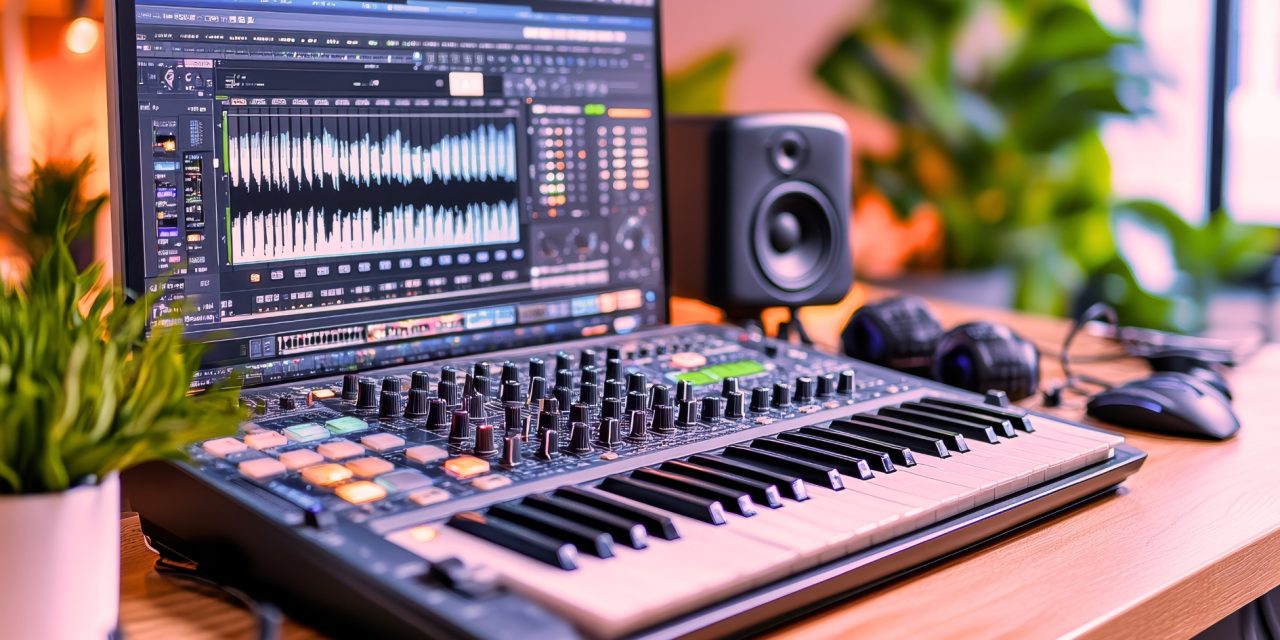
A fresh wave is rolling through the lounge music scene, and it’s not just another soft synth patch pretending to be groundbreaking. Today’s producers are blending innovation with intentional calm, shaping soundscapes that feel both modern and warmly familiar.
As technology expands creative possibilities, lounge music is moving into a new era—one where digital tools, virtual instruments, and smarter production methods help artists craft richer, smoother, more atmospheric vibes. The genre isn’t losing its soul; it’s simply leveling up its toolkit, one thoughtful sound layer at a time.
Emerging Trends in Synth Use
Lounge music is experiencing a quiet evolution as artists embrace virtual synths and digital tools that allow for deeper experimentation. Creators increasingly use software like Serum and Omnisphere to build layered textures with gentle rhythms that flow effortlessly in lounge environments. Artists such as Tycho and Bonobo continue to push these tools in new directions, shaping warm ambient landscapes without overcrowding the mix.
AI-powered tools are also making an entrance. Programs like Amper Music help producers quickly shape custom backing tracks that match their personal style. This speeds up the creative process while still allowing room for experimentation and nuance. A great example is Moby’s track “Awake,” which blends traditional lounge elements with subtle AI-enhanced touches—showing how technology can elevate the soothing tone of the genre without overwhelming it.
Impact of Technology on Sound
Modern production technology has become the backbone of lounge music’s evolving sound. Tools such as MIDI controllers and advanced plugins allow creators to sculpt more immersive, reflective listening experiences. Serum, for instance, gives artists flexible sound-design options for building warm synths or detailed ambient layers that add depth without stealing the spotlight.
Platforms like Ableton Live make it easy to shape transitions in real time, helping producers maintain smooth, flowing sets that fit the relaxed character of lounge spaces. VSTs like Omnisphere further expand the sonic palette with lush textures that blend perfectly with jazz influences, trip-hop touches, and atmospheric elements. Together, these innovations create a genre that’s evolving without losing its signature calm—encouraging cross-genre collaboration and giving producers more room to explore and refine their sound.
Conclusion
Lounge music is stepping into a future where calm doesn’t mean static and softness doesn’t mean simple. With virtual synths, AI-assisted tools, and evolving production methods, artists can craft richer soundscapes that keep the genre fresh while preserving its signature ease. The next chapter of lounge music isn’t louder—it’s smarter, smoother, and more expressive.
What trend in lounge music do you think will shape the genre the most in the coming years? Explore how these ideas influence modern soundscapes at DLK Lounge, where curated insights meet evolving musical creativity.
