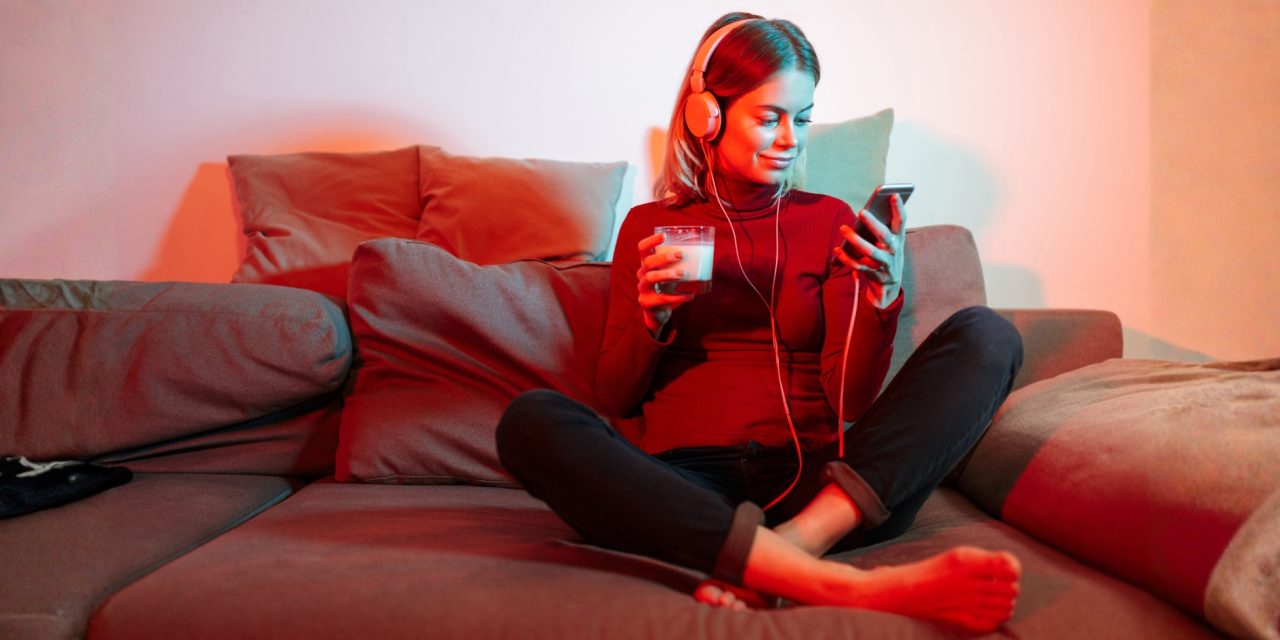
Technology has reshaped how lounge music is created, distributed, and experienced. What was once limited by physical studios and local audiences now thrives in a digital ecosystem built for experimentation and reach.
For lounge and ambient producers, technology has expanded creative control while making immersive listening more accessible to global audiences. These shifts have redefined both the sound and the culture surrounding modern lounge music.
Digital Production Techniques and Creative Control
Digital production tools play a central role in shaping contemporary lounge music. Specifically, digital audio workstations such as Ableton Live and FL Studio allow producers to build detailed soundscapes with precision and flexibility. These platforms support layered textures, subtle transitions, and controlled dynamics, all of which are essential to lounge and ambient aesthetics.
Ableton Live is particularly valued for its session view, which supports improvisation and real-time arrangement. This makes it well suited for live performances and fluid composition workflows. FL Studio, by contrast, is favored by producers who focus on beat construction and melodic sequencing, thanks to its intuitive piano roll and step sequencer.
When paired with plugins such as Serum for sound design or iZotope Ozone for mastering, these tools enable producers to refine pads, grooves, and spatial effects with professional consistency.
Streaming Platforms and Global Accessibility
Technology has also transformed how lounge music reaches listeners. Streaming platforms like Spotify and SoundCloud have removed geographic barriers. This has allowed artists to connect with global audiences instantly. Such accessibility has played a major role in the growth of lounge, chill, and tropical downbeat music, particularly in curated playlist ecosystems.
Lounge playlists on Spotify have seen substantial listener growth, reflecting increased demand for relaxed and immersive soundscapes. SoundCloud has similarly amplified exposure for chill and ambient tracks, with many gaining traction across international charts.
Tools such as Spotify for Artists allow producers to analyze listener behavior, refine release strategies, and improve playlist placement. These insights help artists adapt their sound and presentation without compromising creative intent.
Conclusion
Technology has become an essential force in the evolution of lounge music and ambient sound design. Digital production tools offer unprecedented creative precision, while streaming platforms expand visibility and cultural exchange.
Together, they support a genre built on atmosphere, subtlety, and accessibility. As technology continues to evolve, lounge music remains well positioned to grow without losing its calm, immersive core.
Is technology enhancing the soul of lounge music, or quietly reshaping how we experience calm through sound? Explore more insights on modern lounge culture and ambient sound design only at DLK Lounge.
