Soundtracks have become a defining element in aesthetic video content, shaping how visuals are felt as much as how they are seen. From short-form clips to longer visual narratives, music now plays a central role in conveying mood, identity, and intention.
As lounge and ambient sounds continue to influence digital aesthetics, technological advancements are transforming how soundtracks are created and applied. These changes point toward a future where sound design is more personalized, adaptive, and immersive than ever before.
Technological Innovations Shaping Soundtrack Creation
Emerging technologies are redefining how soundtracks are selected and integrated into aesthetic videos. AI-driven music tools now allow creators to generate custom soundscapes that align closely with visual tone and pacing. Platforms such as Amper Music and AIVA enable users to create original compositions tailored to specific moods. This helps support greater creative control while reducing reliance on pre-existing tracks.
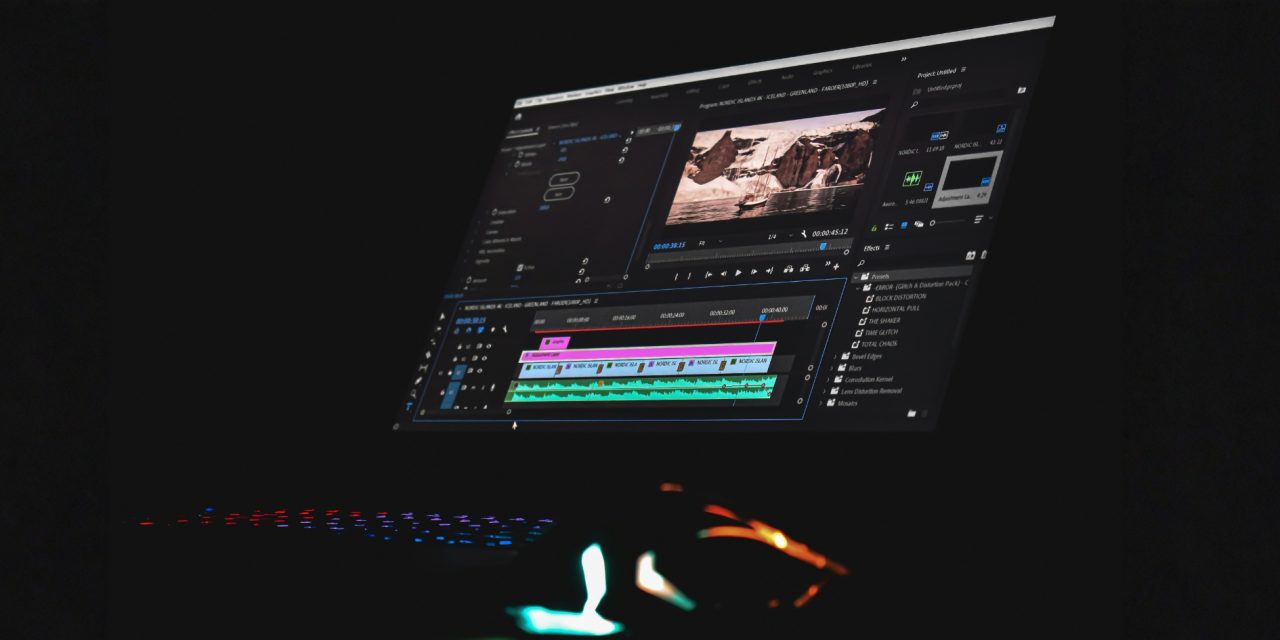
Video editing software has also evolved to support smoother audio integration. Tools like Adobe Premiere Pro now offer advanced auto-sync options and speech-to-text features that streamline the editing process.
Such capabilities allow creators to align sound and visuals more efficiently, ensuring cohesion across every element of a project. When paired with lounge-inspired ambient tracks, these technologies help filmmakers reinforce calm, atmosphere, and visual consistency.
Predicted Trends in Aesthetic Sound Design
Industry observers anticipate a growing shift toward personalized soundtracks designed to match individual viewer preferences.
Advances in artificial intelligence are making it possible to adjust music in real time based on mood, content type, or engagement behavior. This approach is expected to improve viewer retention by creating more emotionally responsive experiences.
Platforms such as Artlist and Epidemic Sound are already exploring algorithm-driven music recommendations that align soundscapes with specific visual aesthetics. User-generated playlists are also gaining momentum, as creators collaborate and share music that resonates with their audiences. These trends encourage deeper emotional connection, increase content sharing, and strengthen the cultural identity of aesthetic videos across social platforms.
Conclusion
The future of soundtracks in aesthetic videos lies at the intersection of technology, creativity, and audience experience. AI-driven tools and adaptive sound design are expanding how music supports visual storytelling.
As lounge and ambient influences continue to shape digital aesthetics, soundtracks will become more intentional and personalized. These developments signal a future where sound is not an afterthought, but a core element of visual identity.
Will personalized, adaptive soundtracks redefine how aesthetic videos connect emotionally with viewers? Explore evolving sound culture and ambient trends at DLK Lounge, where music, mood, and modern aesthetics converge.
