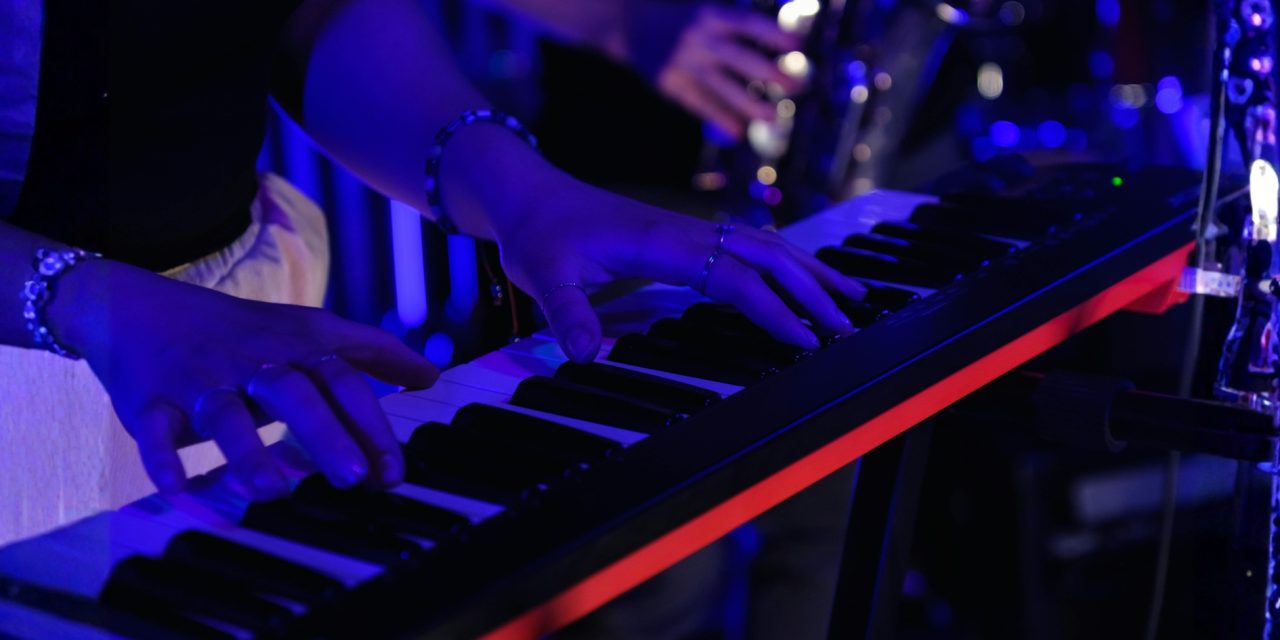
Choosing between weighted and semi-weighted keybeds is less about specs and more about how your fingers converse with the instrument. If you are shaping mellow Lofi chords, cinematic voicings, or expressive jazz runs, touch sensitivity directly influences tone and dynamics.
Weighted keybeds mimic acoustic pianos with graded resistance, while semi-weighted actions provide lighter, faster response. This comparison focuses on the Fatar TP/40 weighted action and the Yamaha GHS semi-weighted system to clarify which fits your playing style and studio goals.
The Core Difference at a Glance
The Fatar TP/40 features full hammer action with graded weighting, meaning lower keys feel heavier and higher keys lighter, replicating acoustic piano resistance. This design suits classical players and studio pianists seeking authentic dynamics.
The Yamaha GHS offers consistent lighter resistance across the keyboard. It supports faster passages and reduces fatigue, making it popular for stage performance and beginners building agility.
| Keybed | Weight | Action Type | Velocity Layers | Best For | Price Range |
| Fatar TP/40 | Heavy graded | Weighted hammer | Multiple | Classical, studio | Mid-high |
| Yamaha GHS | Light uniform | Semi-weighted | Standard | Stage, beginners | Budget-mid |
Stage pianists often favor weighted keys on instruments like the Roland FP-90 for realistic live dynamics. Beginners commonly start with semi-weighted actions such as the Yamaha P-45 to develop speed without early fatigue. Testing both in-store remains essential before committing.
Defining Weighted Action
Weighted action keyboards typically use 88 graded keys and internal hammer mechanisms to replicate the acoustic resistance of acoustic pianos. They deliver precise touch sensitivity and nuanced velocity response, which are crucial for expressive genres such as lounge piano, ballads, and film scoring.
Notable weighted systems include:
- Kawai RM3 – Fully weighted with consistent resistance.
- Yamaha GH3 – Graded hammer with multiple velocity curves.
- Roland PHA-50 – Hammer action with escapement simulation.
| Keybed | Mechanism | Key Travel | Repetition Rate | Polyphony Impact |
| Kawai RM3 | Fully weighted | Full | Standard | Minimal |
| Yamaha GH3 | Graded hammer | 10mm+ | Fast | Low |
| Roland PHA-50 | Hammer w/ escapement | Deep | High | None |
Professional pianists often prefer around 60g key weight for refined dynamic control during long sessions. Regular cleaning and maintenance preserve mechanical longevity and consistent feel.
Semi-Weighted Characteristics
Semi-weighted keybeds blend piano resistance with synthesizer-style speed. They rely on lighter spring systems, typically ranging between 30–45g resistance. This allows quicker repetition and smoother fast passages.
Examples include:
- Fatar TP/9S
- Yamaha GHS
- Nord Stage
| Keybed | Resistance | Response Time | Aftertouch Support | Price Range |
| Fatar TP/9S | Light | Fast | Optional | Mid |
| Yamaha GHS | 30–45g | Quick | No | Budget |
| Nord Stage | Balanced | Instant | Yes | Premium |
Semi-weighted designs excel for rock, pop, and touring players who prioritize agility. They are also ideal for creators layering synth textures in lounge or chill sessions where speed matters more than hammer realism.
Feel and Playability Differences
Weighted keys demand more finger strength but reward players with deeper dynamic control. Semi-weighted actions reduce fatigue and increase repetition speed.
| Aspect | Weighted (Roland FP-90) | Semi-Weighted (Yamaha P-125) | Winner |
| Key Dip | 10.5mm | 9mm | Weighted |
| Velocity Sensitivity | 127 levels | 120 levels | Weighted |
| Fatigue Factor | High | Low | Semi |
| Repetition Speed | Moderate | Fast | Semi |
Weighted actions typically deliver richer dynamic range, which benefits expressive lounge-style performances where subtle velocity shifts shape mood. Semi-weighted options favor endurance and agility during extended rehearsals or high-energy sets.
Conclusion
Weighted and semi-weighted keybeds serve distinct musical priorities. Weighted actions replicate acoustic realism, offering deeper key travel, graded resistance, and refined velocity sensitivity suited for expressive studio work and dynamic lounge textures.
Semi-weighted designs prioritize speed, lighter resistance, and reduced fatigue, supporting modern genres and portable stage setups. Your decision should reflect daily practice habits, genre focus, performance demands, and long-term comfort. Testing both actions remains essential, as tactile response ultimately determines whether your instrument feels like an extension of your musical voice.
Does your current keybed truly support the tone and touch your lounge sessions demand? Explore more deep-dive gear insights and elevate your playing experience only at DLK Lounge.
