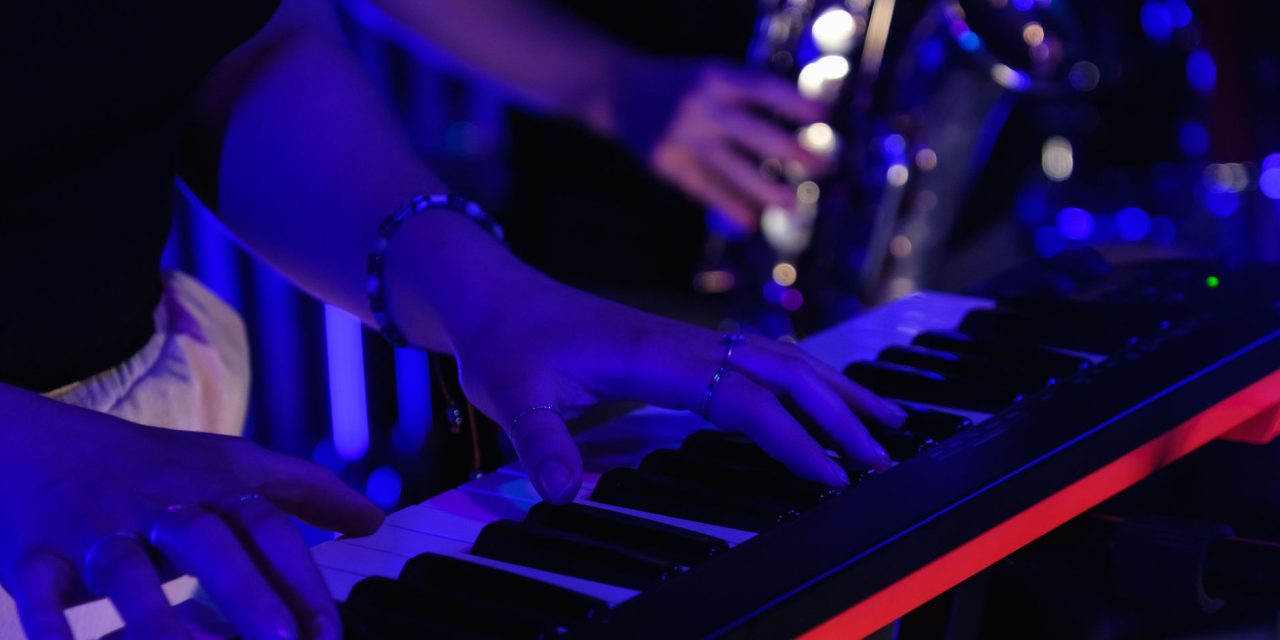
A lot of producers think lounge music is easy until they actually try making it. Suddenly that “simple chill beat” becomes twenty-seven versions of the same loop, a Rhodes patch fighting for its life, and a drum groove that somehow sounds both too busy and painfully empty at the same time.
Great lounge production is less about stuffing tracks with technical tricks and more about understanding feel, restraint, and space. The best lounge records create atmosphere through subtle movement, smooth transitions, and grooves that quietly pull listeners in without demanding attention. That balance is what gives late-night lounge music its cinematic quality.
Kick and Snare Pattern Design
One of the defining characteristics of lounge music is pocket. Unlike aggressive hip-hop or EDM production, lounge grooves rely on patience and breathing room rather than constant impact.
A simple kick-and-rimshot pattern can completely shape the emotional tone of a track when placed correctly. Soft kicks combined with side-stuck rimshots create a groove that feels relaxed yet intentional, especially around slower tempos like 80 BPM.
The key is dynamics. Lounge drums should feel human and conversational rather than perfectly rigid. Small velocity differences, slight timing shifts, and occasional open hi-hats create movement without overcrowding the mix. That subtle looseness is often what separates sterile loops from grooves that actually feel alive.
Instead of constantly adding percussion layers, many lounge producers focus on letting the drums support the harmony quietly. The groove should guide the listener rather than compete with the chords.
Main Rhodes Progression
Rhodes chords remain one of the emotional foundations of lounge music because they naturally create warmth, intimacy, and late-night atmosphere.
Simple progressions like Am to F can feel surprisingly cinematic when played with the right voicings and touch. In lounge production, musicianship matters more than complexity. Slightly detuned Rhodes textures, smooth dynamics, and patient chord movement often create stronger emotional impact than complicated harmonic changes.
What makes these progressions effective is how they breathe. Producers frequently use gentle swells, soft delay tails, and spacious reverbs to make the chords feel immersive without becoming overwhelming.
The best lounge keys often sound like they are floating rather than pushing forward aggressively. That relaxed emotional pacing is what gives many lounge records their reflective, almost film-like quality.
Subtle Chord Voicings and Inversions
Chord voicings play a massive role in lounge music because smooth transitions are part of the genre’s identity. Small inversion changes can completely transform how elegant or cinematic a progression feels.
Instead of jumping between root-position chords, lounge producers often spread notes across octaves and use inversions that glide naturally into one another. These smoother movements create a softer emotional flow that fits perfectly with jazz-influenced lounge arrangements.
Open voicings, suspended chords, and extended harmonies like add9s or maj7s also help create that rich nighttime atmosphere listeners associate with modern lounge music.
The beauty of lounge harmony is that it rarely tries too hard. Sometimes one carefully voiced two-chord progression can feel more emotional than an entire track filled with constant changes.
Why Lounge Music Depends on Restraint
Lounge production is one of the few genres where removing elements often improves the track more than adding them. Silence, spacing, and restraint become part of the musicianship itself.
That is why so many great lounge records feel effortless even though they are carefully crafted underneath. The groove stays understated, the chords move naturally, and every sound serves the atmosphere rather than trying to dominate it.
In many ways, lounge music rewards maturity more than technical showmanship. It is about understanding mood, pacing, and emotional subtlety.
Conclusion
The best lounge productions are rarely built around complexity alone. They succeed because the musicianship feels intentional, smooth, and emotionally controlled from the drums to the chord voicings.
Kick patterns create pocket, Rhodes progressions shape atmosphere, and subtle inversions keep the harmony flowing naturally. Together, those elements form the understated elegance that makes lounge music feel timeless.
What is that one smooth lounge song you always go back to when life feels a little too loud and chaotic?
At DLK Lounge, we are always exploring the late-night grooves, smooth textures, and timeless lounge sounds people turn to for exactly those moments.
