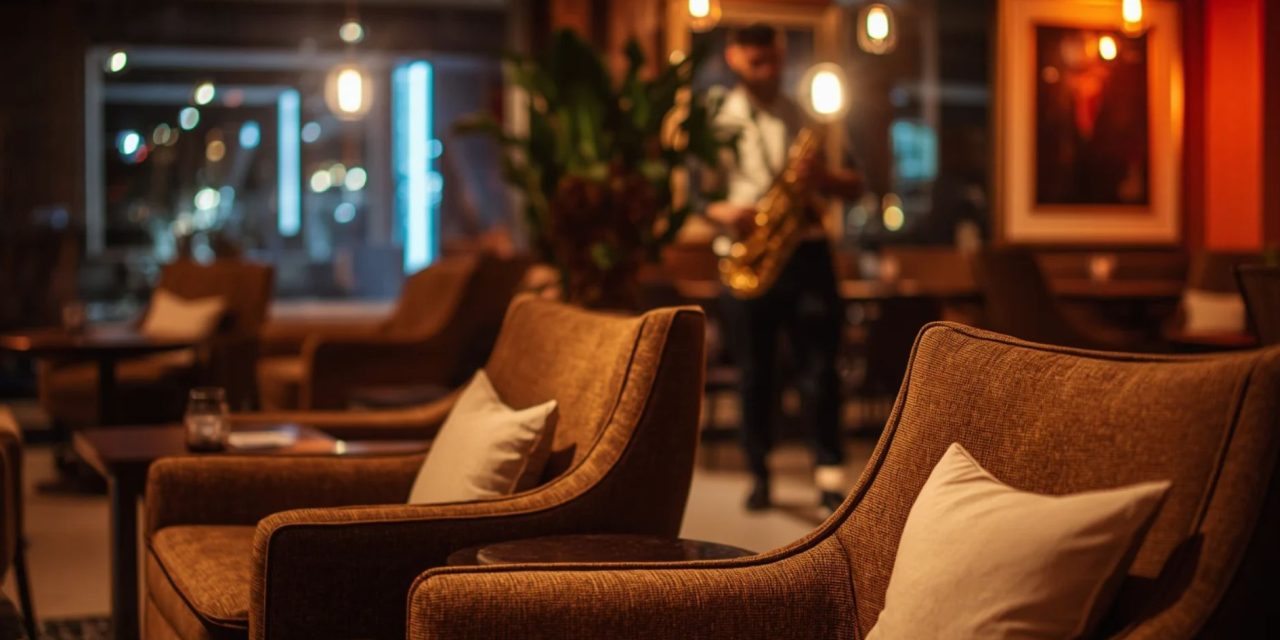
Long before playlists promised “restaurant ambience” or cafés marketed cozy vibes, jazz clubs had already perfected the formula. A softly glowing table lamp. The quiet clink of crystal glasses. A trio easing into another standard while conversations floated just above the music. It wasn’t accidental—it was carefully orchestrated.
Then came supper clubs, proving that an unforgettable night wasn’t just about the performance. It was about the feeling that lingered between courses, the anticipation before the band returned, and the way thoughtful service, elegant interiors, and live music blended into one seamless experience. Together, these venues didn’t simply entertain guests—they invented what we now recognize as lounge atmosphere.
This journey explores how jazz clubs evolved into sophisticated supper clubs, and why their influence still shapes modern lounges, cocktail bars, hotel venues, and listening spaces around the world.
When Jazz Clubs Became More Than Music Venues
The earliest jazz clubs emerged during the Prohibition era, particularly across New York and Chicago, where hidden nightlife flourished despite legal restrictions. While the music drew people inside, it was the complete experience that kept them returning.
Harlem’s famous Cotton Club helped establish this blueprint. Dim lighting, intimate seating, attentive table service, and Duke Ellington’s legendary residency transformed a simple performance into an immersive evening. Guests weren’t merely attending a concert—they were stepping into a carefully designed environment where every detail enhanced the music.
Other iconic venues soon followed. Birdland introduced audiences to bebop in an intimate setting, while the Blue Note built a reputation for showcasing world-class jazz in a room that prioritized both sound and atmosphere.
Even the rise of thousands of Prohibition-era speakeasies contributed to this identity. Their discreet entrances, close quarters, and understated elegance would become defining characteristics of lounge culture for decades.
How Supper Clubs Elevated the Experience
As jazz continued growing in popularity, venue owners recognized an opportunity to offer something even more complete.
Rather than separating dinner from entertainment, supper clubs combined both into one carefully timed evening. Guests arrived early for multi-course meals before the lights dimmed and the evening’s performers took center stage.
This required remarkable coordination behind the scenes. Kitchens completed their busiest service before headline performances began. Staff cleared tables quietly between courses, allowing the transition from restaurant to performance venue to feel almost effortless.
Reservations became essential, while carefully planned seating ensured every guest enjoyed both excellent dining and an unobstructed view of the stage.
The result was an experience that felt luxurious without being rushed.
Designing an Atmosphere That Encouraged People to Stay
Perhaps the greatest innovation wasn’t musical at all.
It was environmental.
Supper clubs understood that lighting could shape conversation just as effectively as music. Warm wall sconces, softly illuminated table lamps, velvet seating, polished wood, and carefully spaced tables encouraged guests to settle in rather than hurry through the evening.
Leather-bound menus reinforced a sense of occasion, while professional maître d’s welcomed arriving guests with practiced ease. Coat checks, attentive service, and thoughtful room layouts contributed to an atmosphere where elegance felt effortless.
Even dress codes played a role, reflecting the belief that the surroundings—and the guests themselves—were all part of the evening’s theatre.
These principles remain remarkably familiar in today’s upscale lounges.
Entertainment Was Carefully Choreographed
Behind every effortless evening sat an impressive amount of planning.
House bands typically performed forty-minute sets before taking scheduled breaks, allowing featured vocalists, comedians, or specialty performers to keep the energy flowing throughout the night.
Rather than overwhelming diners with constant activity, venues created a comfortable rhythm between conversation and performance. Music became part of the evening rather than competing with it.
Small jazz combos provided the perfect soundtrack for this balance. Piano, bass, and drums delivered enough energy to animate the room without overpowering intimate conversations.
That subtle philosophy remains central to lounge music today.
The Blueprint That Still Shapes Modern Lounges
Many contemporary lounges unknowingly borrow ideas perfected decades ago.
Soft lighting. Comfortable seating. Carefully curated music. Professional service. Flexible spaces that encourage conversation without sacrificing live entertainment.
Whether found in boutique hotels, rooftop cocktail bars, piano lounges, or modern jazz cafés, these design choices continue to follow the blueprint established by early jazz clubs and refined during the golden age of supper clubs.
The technology may have changed.
The atmosphere hasn’t.
Conclusion
Jazz clubs and supper clubs helped redefine what an evening out could feel like. By combining thoughtful design, attentive hospitality, exceptional musicianship, and carefully paced entertainment, they created experiences that lingered long after the final encore.
Their influence extends far beyond jazz history. Every lounge that values ambiance over noise, every venue that pairs exceptional music with memorable hospitality, and every space designed for lingering conversation owes something to these pioneering establishments.
Sometimes the greatest innovation isn’t a new sound—it’s creating the perfect room to hear it.
What’s the first thing that makes a lounge unforgettable for you—the music, the lighting, the service, or simply the atmosphere that ties everything together?
Share your thoughts in the comments, then explore more stories celebrating jazz history, lounge culture, timeless venues, and unforgettable listening experiences on DLK Lounge.
