Some brands sell products. Others sell a feeling you can’t quite explain. One scroll through their page, and suddenly you’re craving a slow morning, a favorite armchair, and music that sounds like it was recorded beside a crackling fireplace.
That’s the power of atmosphere. Much like lounge music creates a mood before a single lyric lands, successful lo-fi brands build emotional worlds long before customers click “buy.” Behind those worlds are a handful of recognizable archetypes that transform simple visuals into memorable experiences.
Key Lo-Fi Brand Archetypes
The rise of the cozy economy has made atmosphere one of a brand’s most valuable assets. Rather than competing on products alone, many businesses now compete on how they make people feel. Proven brand archetypes provide a blueprint for creating those emotional connections, helping companies develop recognizable identities that encourage loyalty.
Among today’s most influential approaches are cottagecore, analog revival, and hygge-inspired branding. Each leans into a distinct visual language while speaking to audiences searching for comfort, authenticity, and slower living. Like the carefully curated ambience of a lounge playlist, these archetypes invite people to linger instead of simply browse.
Cottagecore celebrates pastoral simplicity and handcrafted living. Analog revival embraces vintage textures, worn finishes, and nostalgic imperfections. Hygge-inspired branding draws from Danish ideas of warmth, intimacy, and quiet comfort, creating environments that feel welcoming rather than overwhelming.
Together, these approaches show how mood has become a powerful business tool. Successful brands don’t simply decorate their storefronts or social feeds—they create spaces people genuinely enjoy returning to.
Cottagecore and the Art of Slow Living
Cottagecore continues to resonate because it offers an escape from constant digital noise. Inspired by countryside living and handmade craftsmanship, the aesthetic encourages consumers to slow down and appreciate simple pleasures.
Its visual identity relies on soft earth tones, linen fabrics, dried flowers, and muted palettes that evoke warmth without feeling overly polished. Product collections often feature handcrafted candles, woven baskets, natural textiles, and artisan goods that reinforce the feeling of intentional living.
Storytelling plays an equally important role. Descriptions emphasizing handmade processes, seasonal inspiration, and small-batch craftsmanship help customers feel connected to the people behind the products rather than just the products themselves.
Brands also extend the experience across platforms like Etsy and Instagram through carefully curated imagery, behind-the-scenes content, and cohesive mood boards. The result feels remarkably similar to a relaxing lounge session: calm, inviting, and refreshingly unhurried.
Analog Revival and the Beauty of Imperfection
While cottagecore looks toward the countryside, analog revival turns its attention to the past. Film grain, faded colors, VHS textures, cassette graphics, and vintage photography create visual identities rooted in nostalgia rather than perfection.
Many brands recreate this aesthetic using digital tools that intentionally introduce imperfections. Film grain overlays, retro color grading, glitch effects, and tape-inspired textures replace sterile visuals with imagery that feels more tactile and lived-in.
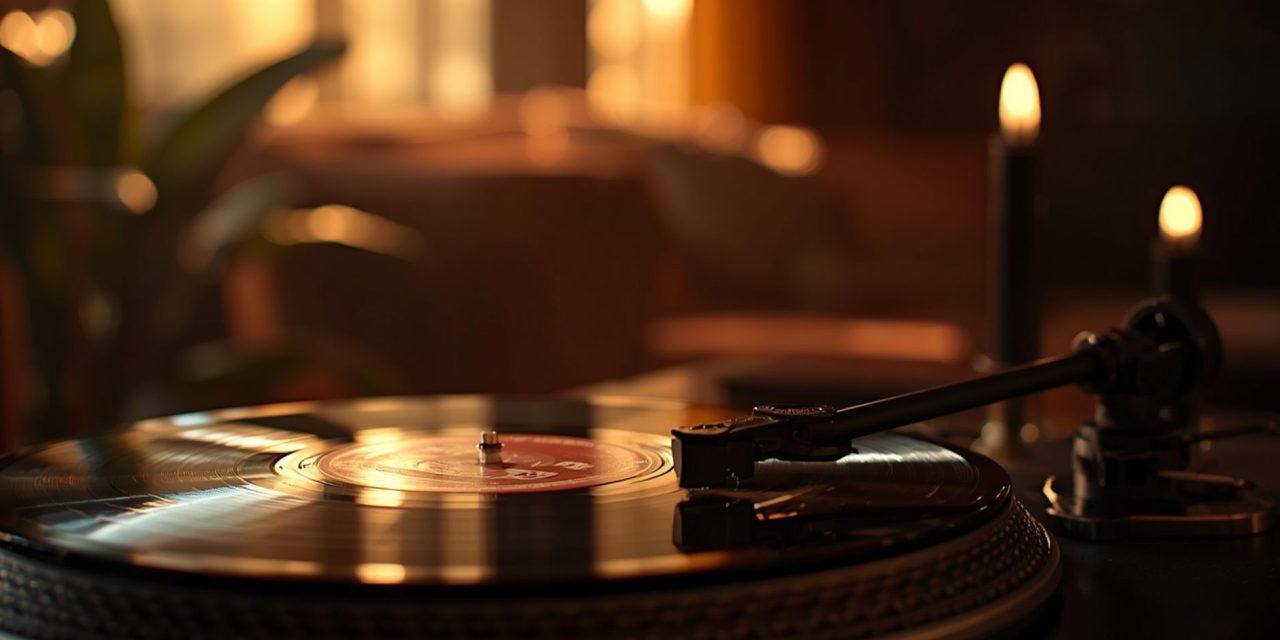
The appeal extends beyond design alone. Consumers drawn to analog branding often appreciate vinyl records, café playlists, lounge jazz, lo-fi beats, and other experiences that celebrate warmth over technical perfection. Much like lounge music favors atmosphere over excess, analog-inspired branding reminds audiences that character often lives inside the imperfections.
This emotional familiarity strengthens brand loyalty. Rather than chasing the newest trend, analog revival invites people into spaces that feel comfortably timeless.
Conclusion
The strongest lo-fi brands don’t simply adopt an aesthetic. They create environments people want to return to.
Whether inspired by cottagecore’s quiet simplicity, analog revival’s nostalgic textures, or hygge’s effortless comfort, each archetype proves that atmosphere is more than decoration. It’s an emotional language. And much like the best lounge music, great branding succeeds when it makes people feel at home before they even realize why.
Join the Conversation on DLK Lounge
What instantly gives you that cozy feeling—a vinyl record spinning in the background, a candle-lit café, a jazz lounge, or a perfectly curated lo-fi playlist? Share the atmosphere that keeps drawing you back on DLK Lounge.
