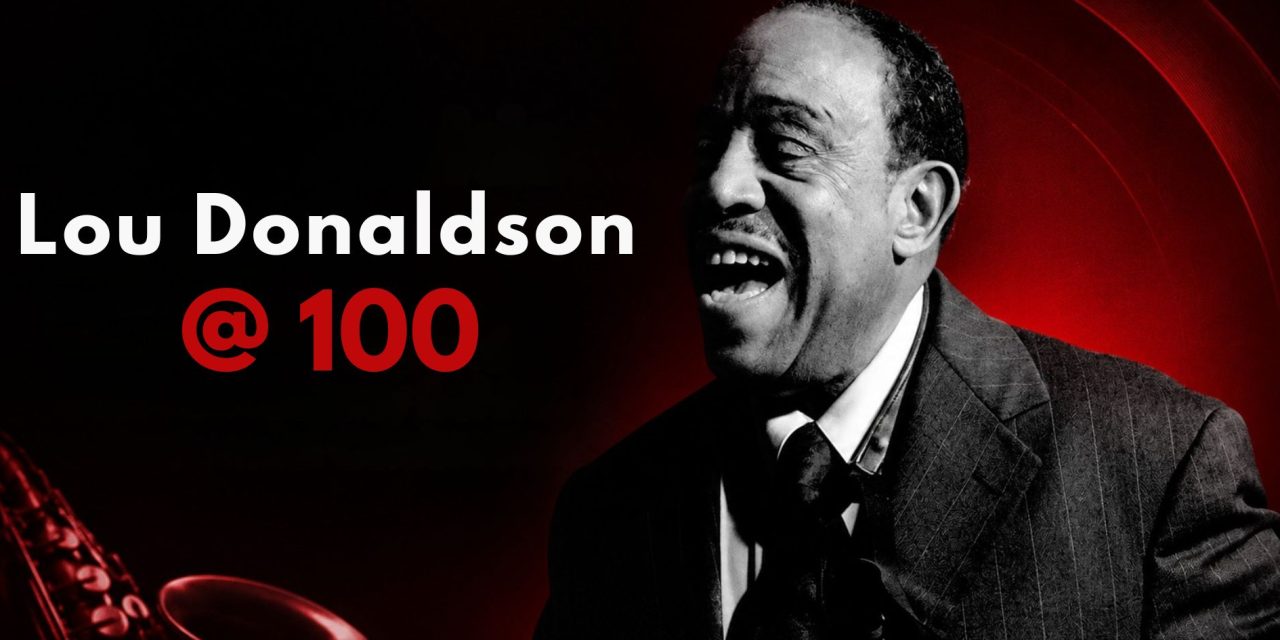
November 1, 2026, marked 100 years since the birth of Lou Donaldson. The alto saxophonist died in November 2024, leaving behind a musical legacy spanning bebop, blues and soul jazz.
His playing connected bebop’s quick-moving language with the warmth and rhythmic pull of soul jazz. A November 9 centennial celebration at Dizzy’s Club offers an opportunity to revisit that musical history through another generation of performers.
A Jazz Voice Rooted in the Blues
The National Endowment for the Arts, which named Donaldson a 2013 Jazz Master, describes a musician shaped by Charlie Parker. He developed his own blues-centered alto sound while drawing from bebop’s musical vocabulary.
His work with organist Jimmy Smith helped connect that early jazz foundation with soul jazz’s distinctive grooves. Their musical relationship became part of the sound associated with jazz during the 1960s and 1970s.
For listeners discovering Donaldson through relaxed jazz playlists, this history adds another dimension. His recordings invite attention to melody, movement and the relationships between instruments.
The alto saxophone does more than carry the main theme. The rhythmic foundation and exchanges between musicians also shape the listening experience.
Soul jazz makes these relationships particularly enjoyable to follow. Its grooves provide a foundation for improvisation without reducing the rhythm section to background accompaniment.
Two Recordings That Open the Door
Blue Note’s career remembrance identifies Blues Walk (1958) and Alligator Bogaloo (1967) among Donaldson’s key albums.
The latter features organist Lonnie Smith, guitarist George Benson and drummer Leo Morris, later known as Idris Muhammad.
Together, these recordings offer useful starting points for exploring Donaldson’s catalog. Rather than listening only for familiar melodies, pay attention to how the accompanying instruments frame his saxophone.
Consider the space surrounding each phrase, the rhythm section’s contribution and the balance between memorable themes and improvisation. These listening details reveal different aspects of his musical approach without suggesting every session followed the same formula.
Donaldson’s influence also reached beyond jazz recordings. Blue Note traces samples of his work into music by A Tribe Called Quest, De La Soul and Nas.
These connections introduced elements of his musical vocabulary to audiences encountering his work through hip-hop. They also demonstrate how jazz recordings can continue finding new listeners across generations.
A Centennial Celebration With a Different Ensemble
The official Jazz at Lincoln Center listing schedules the Lou Donaldson Centennial Celebration at Dizzy’s Club in New York. The November 9, 2026, performances are scheduled for 7 p.m. and 9 p.m.
The announced lineup features Champian Fulton on piano and vocals, Jaleel Shaw on alto saxophone and Peter Bernstein on guitar. John Webber plays bass, while Fukushi Tainaka handles drums.
In an August interview with Morgan Enos for UK Jazz News, Fulton discussed the musical direction. She explained that the group would revisit Donaldson’s 1950s period using piano instead of an organ-led lineup.
That decision highlights an important part of Donaldson’s musical history. His career extended beyond the organ-led sound commonly associated with soul jazz.
The centennial therefore offers more than a retrospective of familiar recordings. It creates space to explore different periods of his playing through musicians interpreting that legacy today.
Listening Beyond the Centennial
Lou Donaldson’s centennial provides an opportunity to reconsider the connections between bebop, blues and soul jazz. His recordings demonstrate how a distinctive musical voice can remain relevant across changing audiences and generations.
Start with Blues Walk and Alligator Bogaloo, then listen for the musical relationships that give each recording its character. From his collaborations with Jimmy Smith to his influence on hip-hop, Donaldson’s catalog offers several paths into jazz history.
Which Lou Donaldson recording best captures the sound and musical spirit you remember? Revisit his enduring influence and discover more jazz histories and listening features at DLK Lounge.
