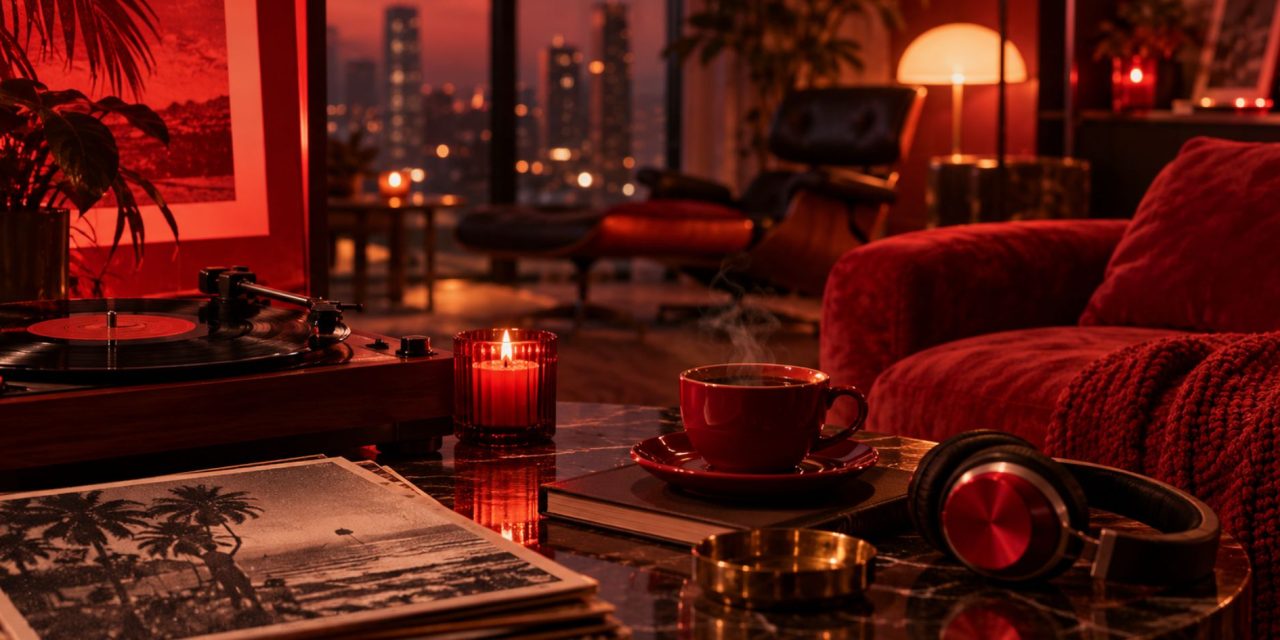
Lounge music is rarely just about what people hear. The lighting, visuals, textures, and even the imagined smell of a space can shape how the music feels.
That makes atmosphere a powerful tool for lounge brands looking to create experiences people remember. Instead of simply promoting a product, these approaches build a recognizable mood around it.
From calm Instagram Reels to nostalgic textures and carefully chosen soundscapes, small sensory details can make a brand feel more inviting. The goal is not to throw every possible effect at the audience, but to create a world they want to spend time in.
Building an Atmosphere People Want to Return To
Effective atmosphere-building tactics can turn a relaxed aesthetic into something audiences recognize and remember. Multisensory Instagram Reels, ambient sounds, and even scent-based email campaigns can give a brand more than one way to connect with its audience.
For lounge-focused brands, visual serenity is particularly useful. Soft lighting, muted imagery, tactile textures, and understated design can create the same feeling people associate with a comfortable lounge setting.
Tools such as Canva Pro, LumaFusion, and Scentbird API can support different parts of the process. The technology is useful, but the creative direction matters more.
A faded photograph paired with a smooth lounge track can communicate more than a crowded graphic. Add subtle texture, warm lighting, and an unhurried pace, and the brand begins to feel like an experience rather than an advertisement.
This is where nostalgia can become useful. Lo-fi textures, analog-inspired visuals, and familiar sounds can create a sense of comfort without making the campaign feel outdated.
Brands can bring these ideas together through Instagram Reels with lounge music overlays, followed by email sequences connected to sensory experiences. The result is a more consistent atmosphere across different points of contact.
Visual and Textural Storytelling
Visual storytelling gives lounge brands another way to communicate their personality. A photograph does not have to look perfectly polished to feel intentional.
The Figma Lo-Fi Texture Kit, for example, can create 35mm-inspired visuals with grain and retro effects. Textures from Unsplash analog packs can add another layer of character.
You can combine these elements with subtle color grading and soft imagery to create visuals that feel intimate rather than overly commercial. The goal is an analog vibe that supports the calm, nostalgic character associated with lounge culture.
A useful workflow starts with the atmosphere you want, followed by the textures and visual details that support it. That keeps the design from becoming a collection of effects looking for somewhere to live.
The strongest visual identity usually comes from consistency. When similar textures, lighting, and visual pacing appear across a campaign, audiences begin recognizing the atmosphere before they even see the brand name.
Soundscapes and Scent as Part of the Experience
Sound can reinforce everything happening visually. A carefully selected lounge or lo-fi playlist can make a campaign feel warmer, calmer, or more nostalgic without requiring additional explanation.
Brands can use platforms such as Spotify, YouTube, and audio libraries to build these soundscapes. Ambient tracks, soft crackles, and gentle instrumental loops can create the feeling of a rainy afternoon or a quiet evening indoors.
The same principle applies to scent. Vanilla, wood, coffee, or other familiar aromas can reinforce the emotional associations created by music and imagery.
A campaign might combine a Spotify Canvas with a lounge soundtrack, followed by an Instagram Reel using the same musical identity. A scent sample or related email experience can then extend that atmosphere beyond the screen.
Royalty-free sources such as Chillhop libraries, Epidemic Sound, and ambient packs from Free Music Archive can provide material for these experiences. ASMR details such as soft crackles can add another layer when they fit the brand.
The important thing is consistency. Earth-toned visuals paired with relaxed music should feel like part of the same world, not separate marketing ideas accidentally meeting in the hallway.
Conclusion
Atmosphere can give lounge brands something that ordinary promotion often struggles to create: a feeling people recognize and want to revisit.
Visual texture, relaxed music, nostalgic details, and sensory touches can work together to make a brand feel more personal. None of them needs to dominate.
The strongest atmosphere-building usually comes from a few carefully chosen details that reinforce the same mood across every interaction. When the pieces work together, the audience remembers not only what they saw, but how the experience felt.
What makes a lounge brand feel instantly inviting to you: the visuals, the music, or those tiny details you don’t consciously notice?
DLK Lounge follows the moods, sounds, and creative details that make laid-back music culture feel like somewhere you can actually settle into.
