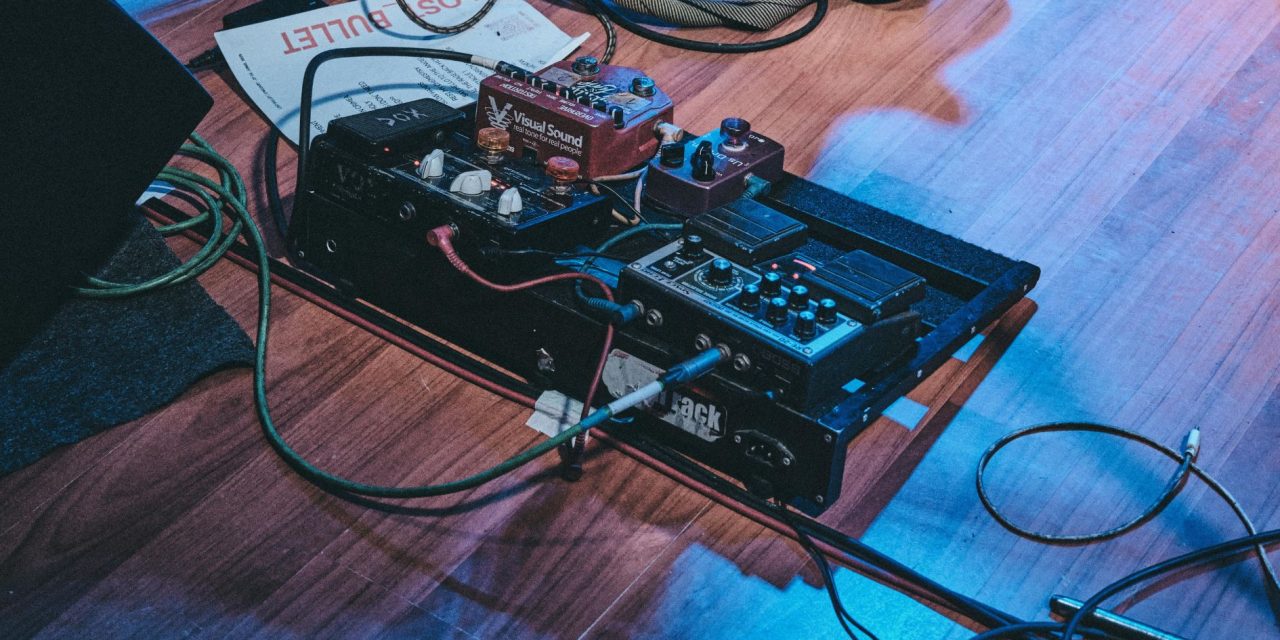
Nothing ruins a smooth lounge session faster than a crackling pedal sounding like it just survived a sandstorm and an emotional breakdown.
In lounge music production, subtle textures matter. Warm delays, soft modulation, ambient reverb trails, and smooth filter movement all depend on pedals responding cleanly and consistently. The good news is you can safely maintain your gear without accidentally voiding your warranty or turning your favorite pedal into an expensive paperweight.
Cleaning Pedals Without Killing the Warranty
Most major brands like Boss, Strymon, MXR, and EHX allow careful external cleaning while strongly warning against opening the enclosure. Internal access usually voids coverage immediately, even if you were “just checking something quickly.”
Safe external maintenance helps prevent:
- Crackling switches
- Dust buildup
- Scratchy knobs
- Signal loss
- Oxidation on jacks
- Inconsistent modulation movement
For lounge producers working with ambient textures, lo-fi warmth, downtempo grooves, and smooth transitions, even minor pedal issues can become painfully noticeable inside spacious mixes.
Safe Cleaning Methods for Lounge Production Gear
Before cleaning:
- Power everything off
- Disconnect cables
- Work in a dry, dust-free space
- Check manufacturer recommendations first
A safe workflow looks like this:
- Remove knobs carefully without forcing them
- Use compressed air lightly around pots and switches
- Apply approved cleaners like Caig DN5 sparingly on footswitches
- Wipe external surfaces using microfiber cloths
- Avoid opening the enclosure completely
- Allow full drying time before reconnecting power
Pedals used heavily in lounge production often collect dust, smoke residue, humidity buildup, and fingerprint oils over time, especially during long studio sessions or live lounge sets.
And somehow, one dusty footswitch always waits until the perfect take to start acting possessed.
Why Pedal Maintenance Matters in Lounge Music
Lounge music relies heavily on atmosphere, smooth signal flow, and controlled dynamics. Small interruptions become much more obvious in spacious productions filled with delays, reverbs, tape textures, and soft stereo movement.
A poorly maintained pedal can introduce:
- Harsh transient pops
- Background hiss
- Uneven modulation
- Dropouts during automation
- Unwanted saturation
- Loss of tonal warmth
Regular external cleaning keeps effects chains stable while preserving the subtle emotional textures lounge music depends on.
Because in ambient and lounge production, the smallest noises often become the loudest distractions.
Conclusion
Keeping pedals clean without opening them protects both your warranty and your sound quality. Through careful external maintenance, compressed air cleaning, approved contact solutions, and consistent upkeep, producers can preserve smooth signal chains and reliable performance without risking expensive repairs.
For lounge music creators especially, clean pedals help maintain the warmth, softness, and immersive atmosphere that define the genre.
Which pedal in your setup would genuinely ruin your whole session if it suddenly stopped working tonight?
Stay locked into DLK Lounge for more lounge production insights, smooth workflow tips, and atmospheric music gear discussions built for modern creators.
