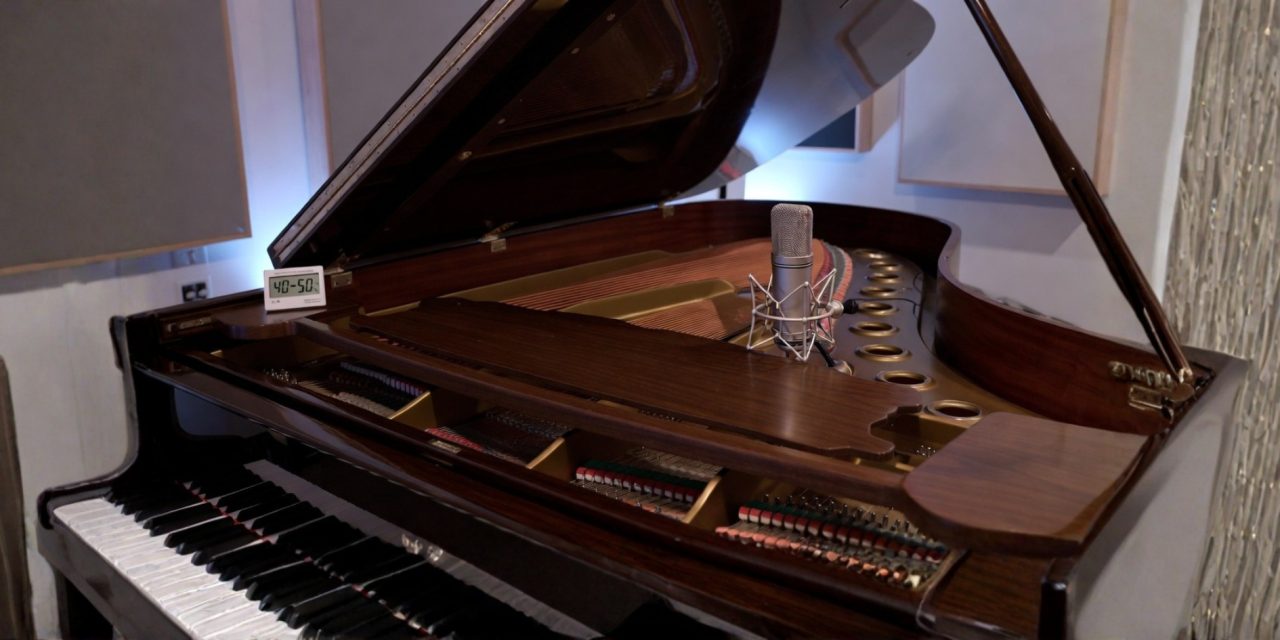
If your piano could talk, it would not complain about your scales — it would complain about the weather. Maintaining 40–50% relative humidity (RH) is critical for piano longevity, as confirmed by Steinway & Sons care guidelines and standards from the Piano Technicians Guild.
Wood components expand and contract with RH changes, quietly altering action alignment and soundboard stability. For creators shaping mellow lounge sessions, late-night jazz progressions, or intimate piano vlogs, unstable humidity does more than threaten structure — it subtly reshapes tone, warmth, and sustain.
Humidity directly affects spruce soundboards, pinblocks, bridges, and action parts like whippens and jacks. High RH encourages warping and sluggish response. Low RH invites cracks, slipping tuning pins, and brittle tone. Consistent climate control protects heirlooms, studio workhorses, and the quality of your tutorials or performance recordings.
Ideal Humidity Levels for Stability
Target 40–50% RH year-round using a calibrated hygrometer such as the AcuRite 01083 or Govee H5075. Yamaha Corporation maintenance guidance suggests 40–45% in summer and 45–50% in winter for acoustic pianos. This narrow band stabilizes soundboard expansion and keeps action regulation predictable.
For long-term protection, install an internal system like the Dampp-Chaser Piano Life Saver System (approximately $450) or a compact option such as the Nordstrand Piano Humidifier (around $80). Position sensors near the soundboard for readings within ±5% accuracy.
Upright pianos often benefit from pairing internal solutions with room humidifiers or dehumidifiers. Bluetooth hygrometers are especially useful for creators who want logged data for studio analysis or educational content. Keep room temperatures steady between 68–72°F and calibrate hygrometers annually during professional tuning visits.
Effects of High Humidity (Above 60% RH)
When RH climbs above 60%, spruce soundboards expand rapidly. This can lead to rib delamination, visible changes in crown, and glue joint failure. In documented restoration cases involving Bösendorfer instruments, excessive moisture required extensive crown restoration. Action swelling affects jacks, backchecks, and dampers, producing sticky keys and slower repetition.
High humidity also promotes string corrosion. Copper windings develop green patina, tone dulls, and torque tension weakens, increasing the risk of string breakage.
A room unit like the Frigidaire 35-Pint Dehumidifier (around $189) effectively manages spaces up to 1,500 sq ft, especially in basements or coastal studios. Dehumidifying promptly protects the bridge and cast-iron plate from rust and preserves harmonic clarity for recordings.
Effects of Low Humidity (Below 30% RH)
Dry air can be equally destructive. Below 30% RH, pinblocks shrink, loosening tuning pins and causing daily pitch instability. Adirondack spruce soundboards may crack along the grain, creating wolf tones and reduced sustain. Hammer felts dry out, producing a brighter, thinner tone with diminished dynamic control.
Key bushings shrink and lead to clicky or uneven touch response. Finish checking appears as lacquer cracks, exposing the veneer to further damage.
Installing a targeted system such as the Hudson Valley Pianoworks Humidifier Kit (approximately $295) near the soundboard or pinblock helps stabilize critical components. Room humidifiers paired with smart hygrometers maintain safe levels during the winter months. Breathable piano covers provide added protection without trapping condensation.
Conclusion
Humidity control is not just structural insurance; it is tonal preservation. Maintaining 40–50% RH protects the soundboard’s crown, stabilizes action response, and preserves the warmth and sustain that define lounge-style recordings.
Whether you are tracking soft jazz chords, neo-soul progressions, or cinematic piano textures, climate consistency ensures your instrument responds the same way every session. Controlled humidity keeps your tone relaxed, rich, and reliable — exactly what refined studio work demands.
Is your studio climate quietly shaping the mood of your lounge sessions? Explore deeper tone-focused insights and elevate your sound environment with us at DLK Lounge.
