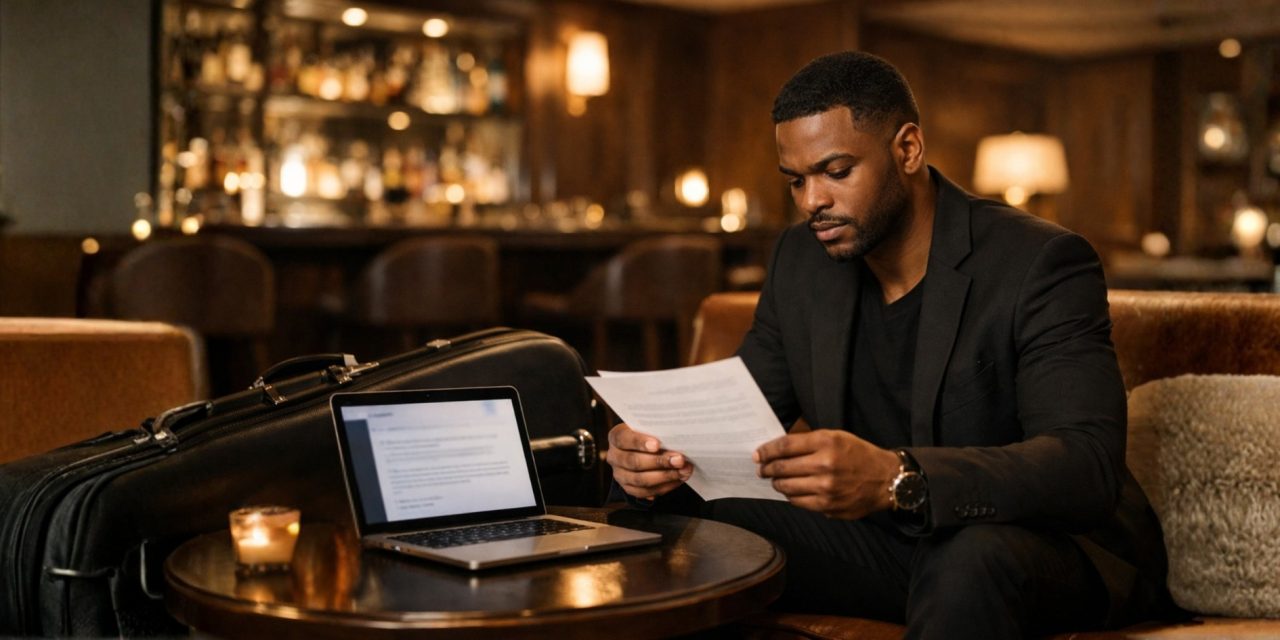
Ever booked a lounge set that sounded perfect on paper — smooth crowd, solid pay, great exposure — only to arrive and find the “stage” is a corner by the bar, the set time keeps stretching, and payment suddenly feels… negotiable?
For lounge musicians and artists, freelancing comes with atmosphere and autonomy — but it also demands discernment. Not every gig that promises ambience delivers professionalism.
The difference between building a steady performance calendar and constantly chasing chaotic bookings isn’t talent — it’s selectivity. The most seasoned lounge artists don’t just accept dates. They vet venues and ask the right questions. They also read between the lines before agreeing to soundcheck times, set lengths, and payment terms.
Green Flags: What Quality Clients Do Differently
Reliable gigs share predictable patterns. On platforms like Upwork and Fiverr, the strongest opportunities tend to include three core things:
- Clear scope
- Transparent pay
- Professional communication
When those show up early, projects usually run smoother. When they don’t, brace yourself.
Let’s break it down.
1. Clear Job Description and Real Expectations
Strong clients don’t make you guess.
They specify deliverables. Not “need help with marketing,” but “two 800-word blog posts per month,” or “three logo concepts with revisions capped at two rounds.”
They may reference workflow tools like Trello or Asana — a small detail that signals organization.
Look for:
- 3–5 clearly defined deliverables
- Measurable goals (traffic, conversions, engagement)
- Deadlines that make sense
- Supporting materials like briefs or examples
If you can’t tell what success looks like from the description, that’s not intriguing. That’s a risk.
A simple test question works wonders:
“Could you clarify the exact deliverables and revision limits?”
Clear clients answer clearly. Vague ones tend to spiral.
Clarity upfront prevents scope creep later.
2. Competitive Pay and Transparent Rates
Serious clients respect budgets — and state them. According to rate trends on Upwork, common 2024 ranges look like this:
- Content writing: $30–75/hr
- Graphic design: $40–100/hr
- Development: $60–150/hr
When a listing avoids numbers and leans on phrases like “great opportunity” or “exciting startup,” pause.
Excitement doesn’t replace compensation.
You don’t have to be aggressive — just informed. A grounded response like:
“Based on similar projects, my rate for this scope would be $X. Does that align with your budget?”
keeps the conversation professional.
Transparent pay isn’t just about money. It signals mutual respect.
3. Professional Communication From the Start
How someone communicates before you start working together is usually how they’ll communicate during the project.
Green flags include:
- Responses within a reasonable timeframe (24–48 hours)
- Direct answers to your questions
- Clear next steps
- Structured tools like Slack or scheduled calls via Zoom
If messages are chaotic, unclear, or avoid direct answers, that pattern rarely improves later.
You don’t need perfection. You need professionalism. Consistent communication reduces revision drama, prevents misunderstandings, and protects your time.
Final Takeaway
Freelance success in the lounge music production world isn’t about saying yes to every booking — it’s about choosing the right stages.
When you prioritize clear set times, agreed compensation, and professional communication, you protect more than your calendar. You protect your artistry, your energy, and the experience you deliver to every room you play. Over time, those standards attract better venues and create a steadier performance schedule.
Are you chasing every opportunity — or choosing the right ones? Explore more smart, career-building insights at DLK Lounge, where freelancers learn to work better, not just harder.
