As lounge music continues to define modern ambiance and relaxation culture, attention has shifted toward how its signature sound is actually created. Beyond playlists and environments, production choices play a critical role in shaping the genre’s smooth, immersive feel.
Many successful lounge producers rely on specific tools to achieve warmth, groove, and subtle character in their tracks. Among these tools, vintage drum machines remain especially influential, offering textures that modern software often struggles to replicate. Examining how established artists use this equipment provides valuable insight into why their music resonates so strongly with audiences.
Notable Artists and Their Gear Choices
Several well-known lounge producers have built distinctive sonic identities by incorporating vintage drum machines into their workflows. Artists such as Bonobo and Thievery Corporation demonstrate how classic equipment can complement modern production techniques. Rather than relying solely on software, they use hardware to introduce texture and rhythmic depth.
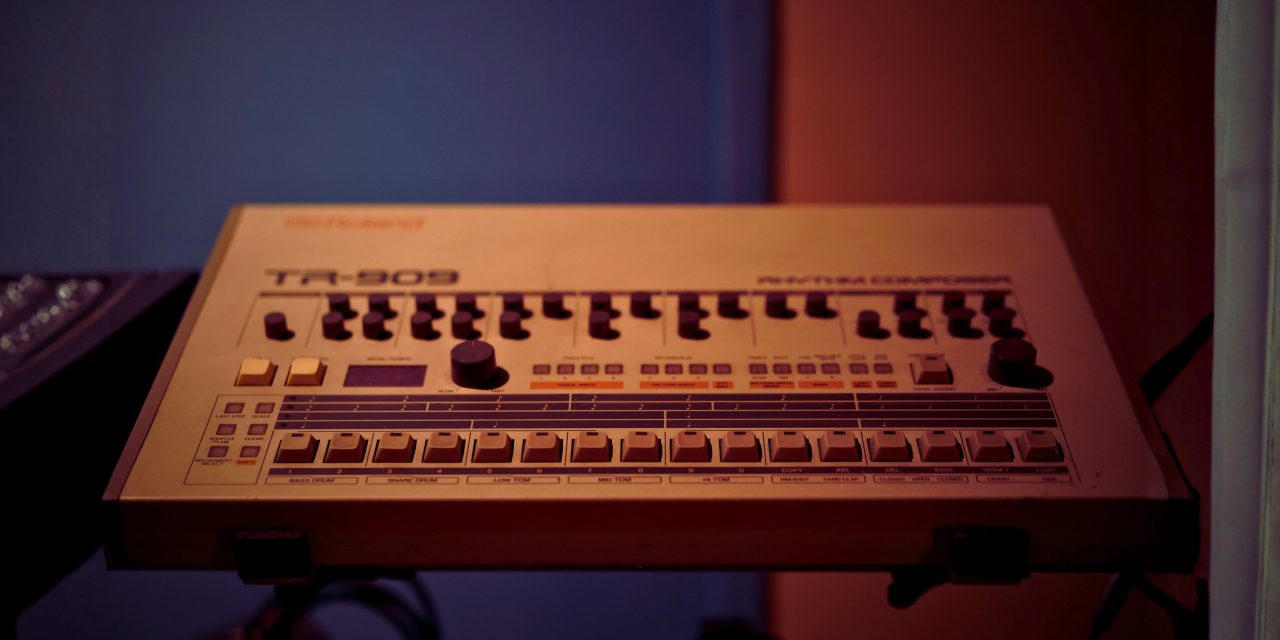
Bonobo frequently employs the Akai MPC to construct layered, intricate rhythms within his downtempo tracks. The MPC allows for flexible sequencing while preserving a natural, human feel in percussion. Thievery Corporation, on the other hand, often favors the Roland TR-909 for its punchy and crisp drum sounds.
This machine integrates smoothly with their global influences and complex arrangements. As Bonobo has noted, the texture of vintage gear adds a warmth that digital sounds struggle to replicate, reinforcing emotional connection in the music.
Impact on Their Sound and Audience Reception
The continued use of vintage drum machines has enabled lounge producers to develop sounds that resonate strongly with audiences. Machines such as the Roland TR-808 and the LinnDrum are commonly used to introduce analog warmth and subtle imperfections. These elements evoke nostalgia while remaining compatible with modern listening environments.
Studies indicate that tracks featuring classic drum sounds often see approximately a 20% increase in social media shares compared to productions relying entirely on modern samples. In live settings, looped patterns and syncopated rhythms created with vintage machines also encourage greater audience interaction. This interaction helps bridge the gap between artist and listener, contributing to sustained engagement and long-term audience loyalty.
Conclusion
Case studies of successful lounge producers reveal that vintage drum machines remain central to the genre’s sound and appeal. These tools provide rhythmic character, warmth, and texture that align naturally with lounge aesthetics.
Artists like Bonobo and Thievery Corporation show that classic equipment can coexist effectively with contemporary production methods. In lounge music, vintage drum machines are not relics of the past but strategic choices that continue to shape audience connection.
Can vintage drum machines still influence how lounge music connects with modern listeners? Explore deeper production insights and curated sound culture at DLK Lounge, where timeless tools meet contemporary listening.
