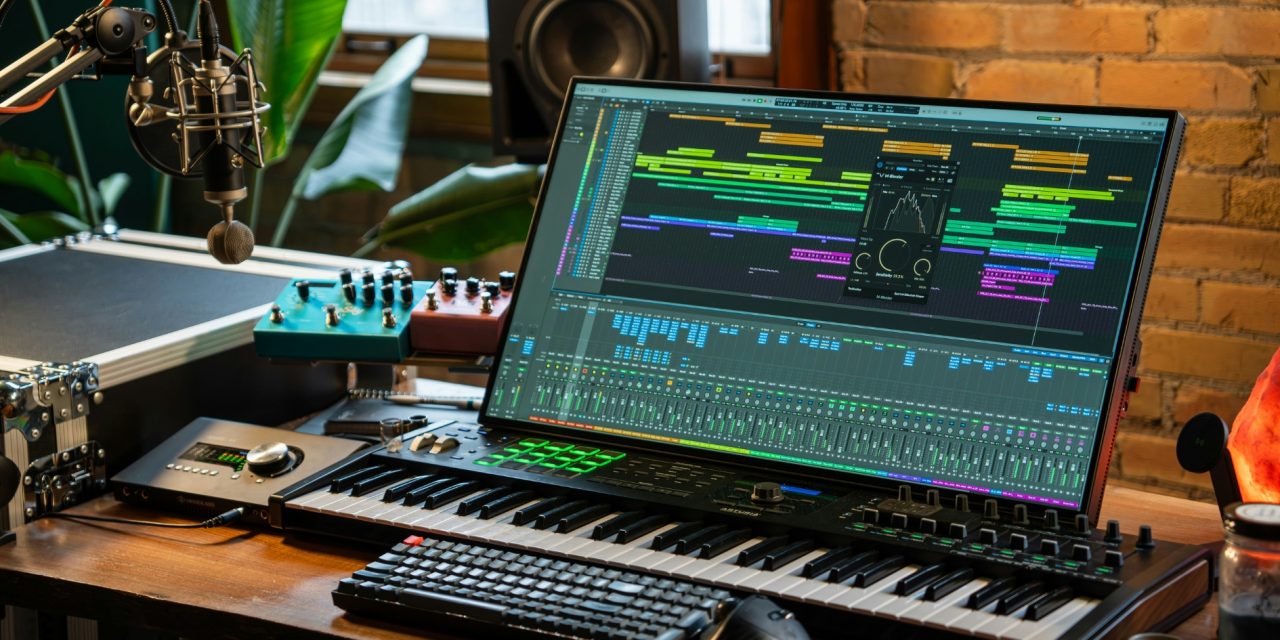
Sampling plays a central role in lounge music, contributing texture, nostalgia, and emotional depth. From soft vinyl crackle to chopped melodies, samples help producers shape immersive soundscapes.
However, sampling also introduces legal responsibilities that are often misunderstood or overlooked. For lounge producers, understanding the legal framework behind sampling is just as important as sound selection, especially in a genre that values subtlety and refinement.
Understanding Sample Clearance and Copyright Obligations
At the core of sampling law is copyright protection. Any sound recording or composition that is copyrighted requires permission before it can be legally used in a new work. Failing to secure proper clearance can result in takedowns, financial penalties, or legal disputes. For lounge producers who distribute music digitally or commercially, these risks are especially relevant.
Organizations such as the Harry Fox Agency provide licensing services and guidance related to song rights, particularly for compositions. While the agency does not clear master recordings, it helps producers understand mechanical licensing and publishing rights.
Using licensed sample libraries is another effective way to reduce legal risk. These libraries explicitly grant permission for samples to be used in original productions, provided the terms of the license are followed.
Fair Use, Common Missteps, and Best Practices
The Fair Use doctrine is often misunderstood within music production circles. Fair Use allows limited use of copyrighted material without permission, typically for purposes such as commentary, criticism, or education. In practice, Fair Use rarely applies to musical sampling intended for commercial release, even if the sample is short or heavily altered. Lounge producers should be cautious about relying on Fair Use as a defense, as courts evaluate cases individually based on purpose, amount used, and market impact.
Common mistakes include assuming that brief samples do not require clearance or failing to credit original creators where required. Another frequent issue is neglecting to read licensing agreements carefully, which can lead to violations even when using paid sample packs.
To avoid these pitfalls, producers are encouraged to educate themselves through legal articles, workshops, and reputable music law resources. This proactive approach supports creative freedom while maintaining compliance.
Conclusion
Legal awareness is an essential part of modern lounge music production. Sampling can enhance atmosphere and authenticity, but only when used responsibly and lawfully.
By understanding copyright obligations, using licensed sample libraries, and avoiding misconceptions around Fair Use, producers can protect their work and careers. In lounge music, where refinement matters, legal clarity supports long-term creative sustainability.
Are you sampling sounds in your lounge productions with full confidence in their legal use? Explore more production insights and sound culture guidance at DLK Lounge, where creativity and responsibility move together.
