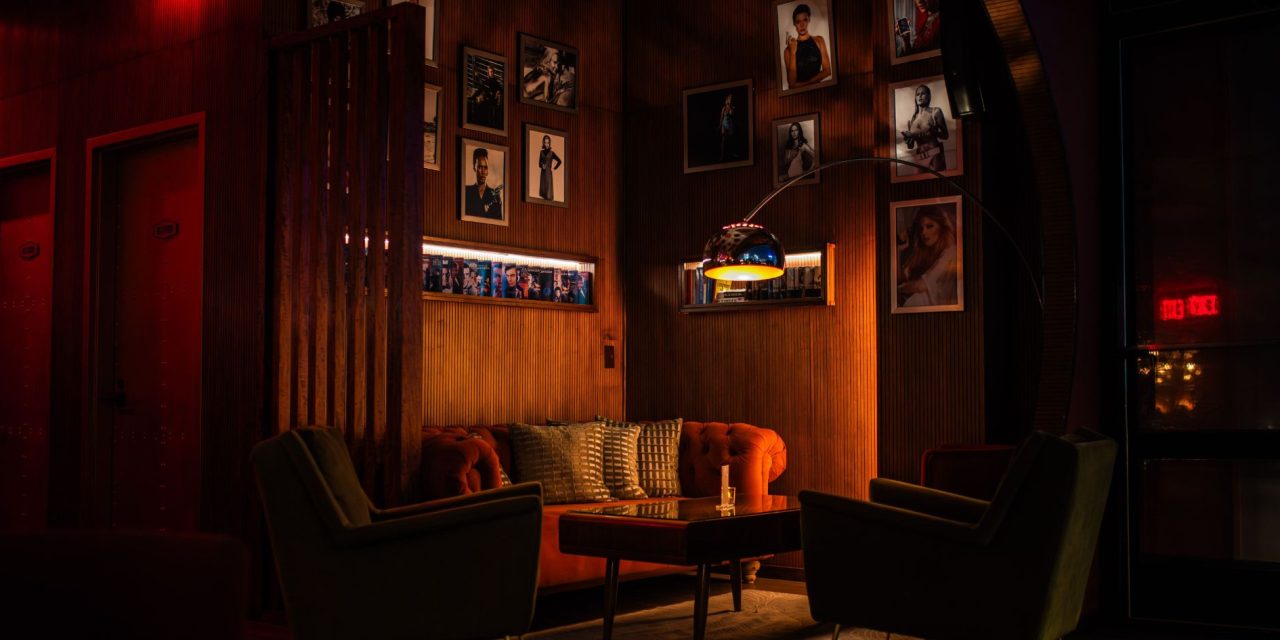
Some music makes you want to dance. Other music makes you want to sink into a chair and stay there.
That second feeling is central to lounge music. Warm textures, relaxed rhythms, soft melodies, and nostalgic details can turn a track into an atmosphere rather than simply another song.
For producers, creating that feeling requires more than choosing a slow tempo. Every layer, sound, and production decision contributes to whether a track feels inviting or emotionally distant.
The Psychology Behind Cozy Lounge Music
A cozy atmosphere works because several sensory elements can create feelings of comfort and familiarity at once.
In cozy lounge music production, those elements translate into sound. Warm chords, restrained percussion, gentle basslines, and spacious arrangements can create the sonic equivalent of a comfortable room.
Instead of demanding attention, lounge music often gives listeners room to breathe.
Soft production choices can include:
- Warm pads and mellow synth textures.
- Gentle percussion with restrained transients.
- Smooth basslines that support rather than dominate.
- Spacious reverbs that create depth.
- Relaxed tempos that encourage unhurried listening.
These choices help establish an atmosphere where listeners can relax without the music becoming completely passive.
The goal is not simply to make a track quiet. It is to make every element feel comfortable in its surroundings.
Use Sensory Triggers to Shape the Sound
Physical spaces often rely on lighting, texture, scent, and sound to create a particular mood. Lounge producers can achieve something similar through audio.
Warm lighting might translate into softer high frequencies. Plush textures can inspire smooth pads or rounded bass tones. A relaxed room might call for subtle background percussion instead of aggressive drums.
This gives producers a useful way to think about arrangement.
| Sensory Idea | Production Approach | Effect |
| Warm lighting | Softer high frequencies | Relaxed atmosphere |
| Soft textures | Smooth pads and bass | Sonic comfort |
| Gentle movement | Restrained percussion | Easy listening |
| Spacious rooms | Reverb and ambience | Greater depth |
| Intimate setting | Close, warm vocals | Personal connection |
Tempo also matters.
A relaxed groove can leave enough space between rhythmic elements for the listener to notice textures and melodic details. That space becomes particularly valuable in lounge music production, where atmosphere often matters as much as the melody.
Let Nostalgia Shape Your Production Choices
Nostalgia can make music feel familiar before listeners consciously understand why.
Lounge music can tap into this feeling through sounds associated with earlier eras. Vintage drum machines, tape-style saturation, vinyl textures, mellow electric pianos, and imperfect synth tones can immediately suggest another time.
The trick is knowing when to stop.
Too many retro effects can make a track feel like a collection of references rather than a coherent production. A few carefully chosen details usually create a stronger result.
Producers can experiment with:
- Subtle vinyl crackle beneath an intro.
- Tape saturation on keys or synths.
- Vintage drum-machine sounds.
- Electric piano chords.
- Soft cassette-style degradation.
- Retro-inspired artwork and visual textures.
These details work best when they support the mood rather than becoming the entire track’s identity.
Build a Lounge Track Around Comfort
The strongest cozy productions usually feel intentional without sounding overly complicated. Start with a relaxed rhythmic foundation. Add a warm chord progression, then introduce melodic elements gradually instead of filling every available space.
A simple arrangement might move through:
- Atmospheric intro — establish the sonic environment.
- Gentle groove — introduce bass and restrained percussion.
- Melodic development — add keys, pads, or subtle lead elements.
- Textural variation — introduce small changes to maintain interest.
- Soft resolution — allow the track to wind down naturally.
This approach keeps the listener engaged without constantly demanding attention.
That balance is especially useful for lounge tracks intended for cafés, hotels, restaurants, lounges, playlists, and relaxed social spaces.
Why Imperfection Can Make Lounge Music Feel Better
Modern production makes it easy to polish every sound until nothing feels human.
Lounge music does not always benefit from that approach.
Small imperfections can introduce warmth and character. Slight tape saturation, gentle pitch movement, subtle timing variations, or organic percussion can make a production feel less sterile.
This is where the influence of lo-fi aesthetics becomes useful.
The objective is not to make everything sound technically imperfect. Instead, producers can leave small amounts of character in the recording when they contribute to the atmosphere.
A perfectly clean electric piano may sound impressive. A slightly worn, warm version might feel like somewhere you’d actually want to sit.
Conclusion
Great lounge music does more than provide background sound. It creates an environment listeners can settle into.
Through warm textures, relaxed grooves, spacious arrangements, nostalgic details, and carefully controlled imperfections, producers can create tracks that feel intimate without becoming predictable.
That is the real strength of cozy lounge music production. The best tracks do not demand that listeners stay.
They simply make staying feel good.
What’s your go-to lo-fi vibe: rainy windows, late-night city lights, cozy bedrooms, or something completely different? Tell us your pick, then find more music and culture stories at DLK Lounge.
