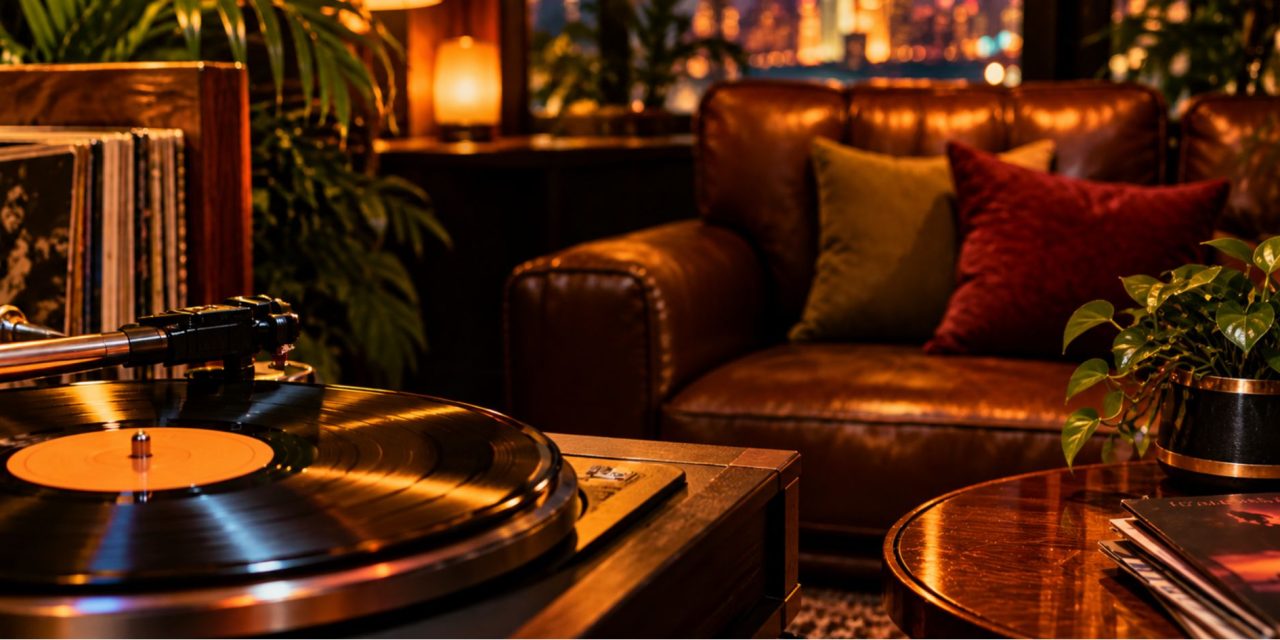
Lounge music can sound wonderfully warm when saturation is used well. Push it too far, though, and that smooth atmosphere can quickly turn into a cloudy mix.
The trick is not avoiding saturation altogether. It is deciding where the warmth belongs, where the mix needs to stay clean, and how much character the music can handle.
Saturation Without Mud
Saturation can give lounge productions the warmth and character that make them feel less sterile. It can also bring out the personality of samples, instruments, and background textures.
The problem usually starts when the low end receives too much harmonic buildup. Kick drums and bass already occupy a lot of space, so adding heavy saturation can make them feel thick rather than powerful.
A cleaner approach is to keep the deepest frequencies relatively untouched while allowing more saturation into the mids and highs. This can add warmth and texture without turning the low end into a wall of sound.
That approach works especially well for styles such as 70s soul, chillwave, lo-fi lounge, and other sounds where a little imperfection adds character. You want the saturation to feel like part of the sound, not an effect sitting on top of it.
A multiband saturation plugin such as FabFilter Saturn can help you make these decisions more selectively. Instead of driving the entire mix equally, you can give different frequency areas different amounts of colour.
This is particularly useful when working with vinyl-style textures. A warm midrange can add character while the kick and bass remain focused and punchy.
Listening is more important than chasing a particular percentage on a meter. Bypass the saturation regularly and ask whether the processed version actually sounds richer, or simply louder and heavier.
A spectrogram can help you spot frequency buildup, but your ears should make the final call. If low-end rumble is already present, cleaning it up before saturation can also prevent unnecessary muddiness.
Parallel processing offers another way to introduce character without overwhelming the original sound. Blend a processed signal underneath the clean one, then raise it until the texture becomes noticeable without taking over.
This works particularly well when you want a little harmonic distortion across samples, drums, keys, or atmospheric layers. The result can feel warmer and more lived-in while keeping the original dynamics intact.
Multiband Application
Multiband saturation becomes especially useful when your lounge track needs warmth in some areas but restraint in others. Think of each frequency range as having a different job.
The lowest band can remain mostly clean to protect the relationship between the kick and bass. The middle range can take more saturation because this is where warmth, body, and much of the musical character live.
Higher frequencies can receive a lighter touch for brightness and texture. This can also help bring out subtle details such as vinyl hiss without making the top end harsh.
FabFilter Saturn is one option for this approach, while other saturation plugins can achieve similar results. The important thing is controlling where the effect is working rather than relying on one setting across the entire mix.
Smooth crossover points matter because abrupt changes between bands can become audible. Listen for anything that makes the tone feel disconnected as you move between processed and cleaner frequency ranges.
You can also compare the result with a reference track from a similar lounge style. This helps you judge whether your saturation is adding the warmth you want or simply making the mix darker and heavier.
Plugins such as Waves J37 can provide a more tape-focused character, but different saturation tools can affect the low end differently. What sounds beautifully warm on one track may sound muddy on another.
Consider where saturation sits in your plugin chain as well. Cleaning unnecessary frequencies before processing gives saturation a more useful signal to work with.
If the mids become crowded after saturation, gentle EQ or compression can help restore space. There is no prize for making every frequency sound equally “vintage.”
The same principle works beyond lounge music. Hip-hop samples, synthwave textures, keys, drums, and atmospheric layers can all benefit from controlled harmonic colour.
For lounge production, however, restraint is especially valuable. The music should still feel spacious, relaxed, and clear while carrying enough warmth to keep the listener interested.
Conclusion
Saturation can give lounge music that extra bit of warmth, depth, and personality, but more distortion does not automatically mean more character.
Keep the deepest frequencies controlled, let the mids carry much of the warmth, and use the higher range for subtle texture. Most importantly, listen for what the saturation adds to the mood rather than simply watching what it does to the meters.
Does your lounge mix sound warmer after saturation, or did the extra character quietly eat up the space you worked so hard to create? DLK Lounge is where those kinds of listening choices get interesting, especially when the goal is to keep a relaxed track warm, textured, and easy on the ears.
