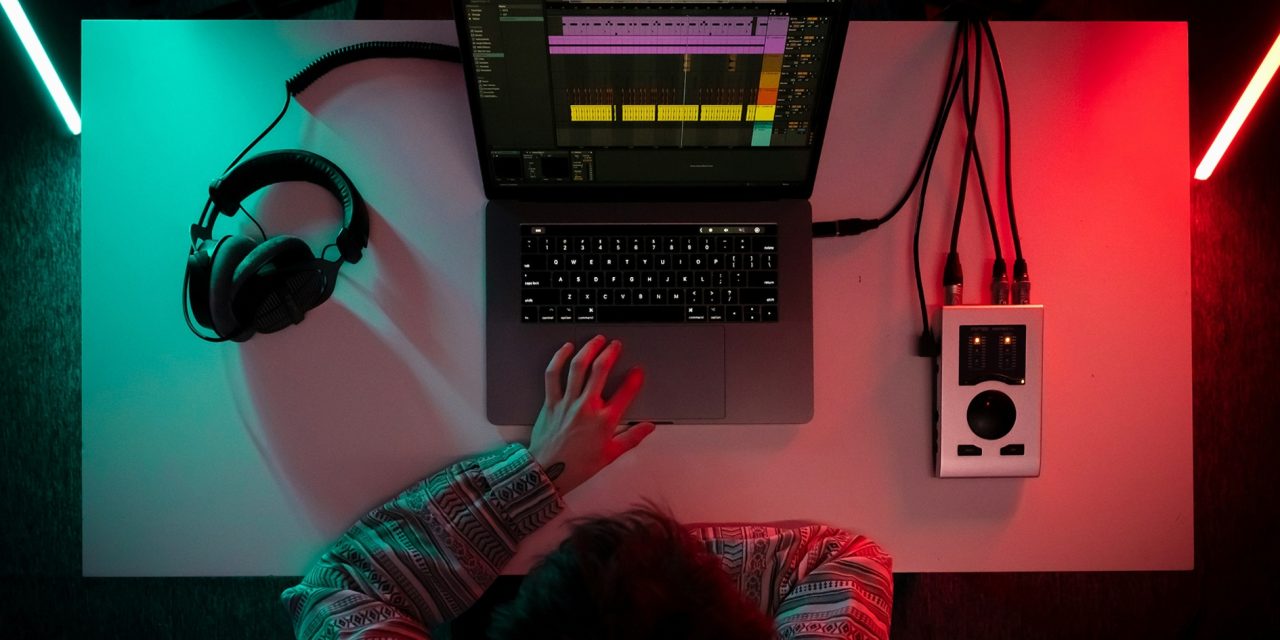
Lounge music is often associated with atmosphere and mood, but its smooth listening experience is built on deliberate production choices.
Behind the relaxed surface lies careful attention to texture, balance, and sonic detail. Producers focus on techniques that create depth without overwhelming the listener. Among these techniques, layering and refined sound design play a central role in shaping the genre’s signature warmth.
Layering as a Foundation for Depth and Atmosphere
Layering is a core production technique in lounge soundtracks,, allowing multiple sounds to coexist harmoniously within a track. Producers often begin by combining melodic instruments such as acoustic guitar or soft piano with atmospheric synth pads. This approach fills the sonic space while maintaining a calm and cohesive feel.
Introducing soft percussion, subtle bass lines, and ambient soundscapes further helps to achieve depth. These elements support the rhythm without demanding attention. Tracks like Night Owl by Galimatias demonstrate how lush chords and restrained percussion can coexist effectively. Similarly, Benzi Box from Chillhop Music showcases intricate rhythms layered with smooth textures that remain easy on the ear.
Sound Design and Digital Tools in Lounge Production
Beyond layering, meticulous sound design helps refine the overall listening experience. Digital audio workstations such as Ableton Live and FL Studio give producers the flexibility to experiment with tone and spatial effects. Tools like reverb and delay are commonly used to add air and movement without cluttering the mix.
These effects help sounds blend naturally, creating a sense of space that feels immersive rather than busy. Careful automation ensures that textures evolve gradually, keeping the listener engaged over time. When used thoughtfully, digital tools enhance warmth and clarity, reinforcing the relaxed identity of lounge music.
Conclusion
Production techniques in lounge music prioritize subtlety, balance, and emotional consistency. Layering provides richness, while detailed sound design ensures clarity and flow. Together, these methods create the smooth, immersive soundscapes listeners associate with the genre. Lounge music succeeds not by complexity alone, but by how carefully each element is placed.
Do thoughtful production techniques shape your connection to lounge music more than the melodies themselves? Discover deeper insights into lounge sound design and production culture only at DLK Lounge!
