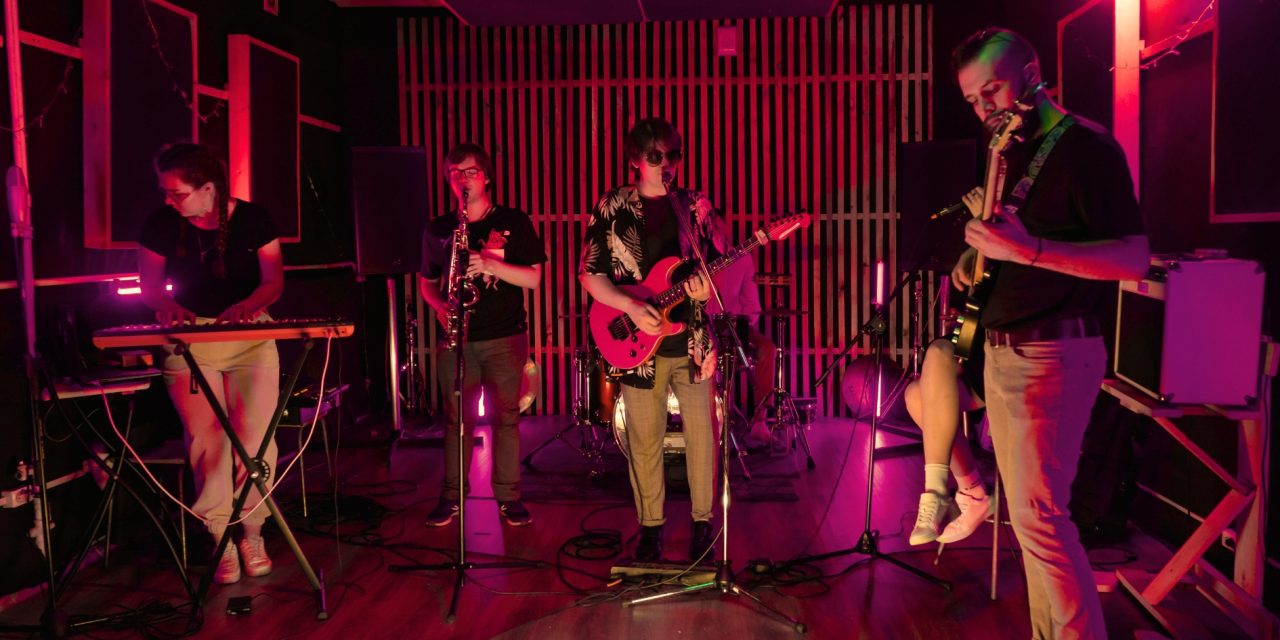
Lounge music is often judged by how little it interferes. If it does its job well, it fades into the environment while still shaping the mood of the room. That paradox makes the genre easy to underestimate. Many of its most enduring tracks rely on advanced sampling choices, careful cultural references, and tightly controlled arrangements that reward close listening.
This article breaks down notable lounge tracks as case studies, examining how producers use sonic storytelling and sampling techniques to create music that feels light, travel-ready, and quietly deliberate.
Analysis of Specific Songs and Sonic Storytelling
“Lebanese Blonde” by Thievery Corporation remains one of the most cited examples of effective lounge production. The track succeeds because every element serves a shared emotional direction rather than competing for attention. Middle Eastern melodic phrases intertwine with electronic beats, creating a cohesive sound that feels both global and intimate.
Sampling plays a central role in this composition. Ethereal vocal lines and lush string arrangements draw clear inspiration from traditional Arabic music. These elements are not treated as decorative layers. Instead, they form the emotional core of the track. The relaxed electronic drum patterns anchor the song within the lounge genre, providing structure without disrupting its atmospheric flow.
Emotionally, the track evokes nostalgia and wanderlust. Listeners often associate it with travel, late evenings, or reflective moments. This is sonic storytelling through texture rather than lyrics. Producers aiming for similar results often layer samples from different cultural sources while maintaining restraint. Digital audio workstations like Ableton Live or FL Studio make this integration seamless, allowing careful shaping of tone, timing, and spatial placement.
Artist Contributions and Genre Expansion
Beyond individual tracks, certain artists have consistently pushed lounge music forward through thoughtful genre fusion. Air and Zero 7 stand out for their ability to blend trip-hop, jazz, ambient, and electronic influences into cohesive albums that feel cinematic yet approachable.
Air’s “Moon Safari” is built on smooth melodies and expansive soundscapes that feel carefully curated rather than overproduced. The album relies on subtle sampling and analog textures to create warmth and emotional depth. Zero 7’s “Simple Things,” on the other hand, leans into lush instrumentation and emotive vocal performances, reinforcing the genre’s connection to mood and atmosphere.
Both artists make extensive use of tools like Ableton Live and hardware such as the Akai MPC to manipulate samples creatively. Their approach treats technology as a means of expression rather than a shortcut. This mindset has influenced a new generation of lounge producers, encouraging exploration of sound design, sampling ethics, and genre history while maintaining emotional clarity.
Conclusion
These case studies reveal that successful lounge music is built on intention. Tracks like “Lebanese Blonde” and albums from artists such as Air and Zero 7 demonstrate how sampling, cultural influence, and technology can work together to tell sonic stories. Rather than overwhelming listeners, these productions invite them into carefully shaped environments. Understanding these creative choices offers valuable insight into why certain lounge tracks continue to resonate long after their release.
Which lounge track has transported you somewhere else the moment it started playing? Share your thoughts in the comments and explore more iconic tracks, artists, and deep dives into lounge culture only at DLK Lounge.
