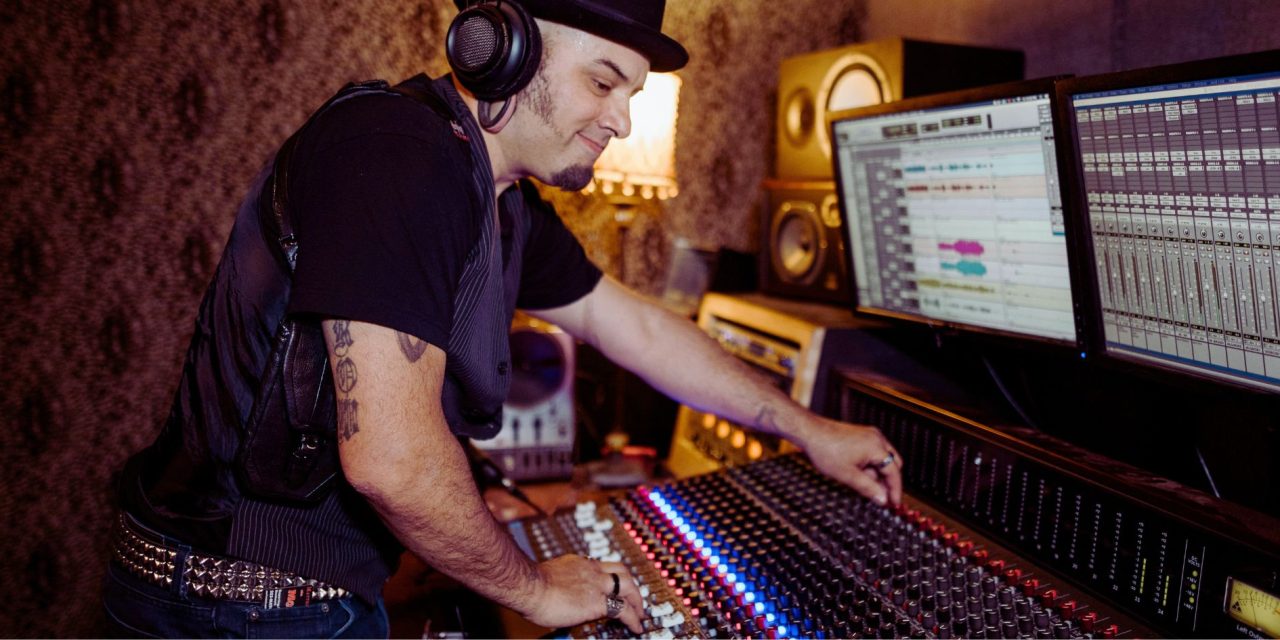
Ever heard a track that makes you nod your head before you even realize you’re doing it? That’s the magic of groove-driven instrumentals. The sounds themselves might be simple, but something about the rhythm keeps pulling you back for another listen. Meanwhile, other loops with all the “right” ingredients somehow feel about as exciting as watching a progress bar crawl across your screen.
The missing ingredient is often groove.
Rhythm and groove are what transform a basic loop into something that feels alive. They create movement, energy, and the subtle sense that makes listeners nod their heads without realizing it. For lounge producers especially, groove is what separates a pleasant background track from one that keeps people locked in from start to finish.
Understanding Timing and Syncopation
Great grooves rarely land every note exactly where listeners expect. Instead, they use timing and syncopation to create tension, movement, and release.
One of the best places to start is with 16th-note placement. These notes form much of the rhythmic framework in modern production and can dramatically affect how a loop feels. Small changes in note placement often create a completely different groove.
A classic example is Uptown Funk. Much of the track’s infectious energy comes from syncopated rhythms that push against the expected pulse.
When building loops in your DAW, use the grid as a guide but do not be afraid to experiment with offbeat note placement. Strategic syncopation creates anticipation and gives listeners a reason to stay engaged.
Velocity adjustments can also add life to a pattern. Combining stronger accents with softer notes creates natural movement and prevents rhythms from feeling robotic. Even a simple drum loop can feel significantly more dynamic when note velocities vary naturally.
Building a Backbeat That Feels Alive
A strong backbeat provides the foundation for countless genres, from lounge and jazz-inspired productions to hip-hop and electronic music.
Creating one does not require complicated programming. Start with a solid bass drum and snare pattern that supports the track’s tempo and mood. From there, layer hi-hats or cymbals to add texture and momentum.
Tools like EZdrummer and Superior Drummer can make the process easier by providing realistic drum sounds and flexible groove options.
For many lounge-inspired tracks, a simple closed hi-hat pattern can provide enough movement without overcrowding the arrangement. The key is making the rhythm feel natural rather than perfectly mechanical.
Pay attention to velocity changes here as well. Not every hit should carry the same intensity. Subtle variations help the groove breathe and contribute to a more human feel. Often, these small details make the biggest difference in how listeners experience the track.
Conclusion
Groove is not always about adding more sounds. In many cases, it comes from placing existing sounds more effectively. Timing, syncopation, note velocity, and a well-crafted backbeat all work together to create movement and personality.
For producers creating lounge music, chill beats, or groove-driven instrumentals, mastering these fundamentals can elevate even the simplest loop. Sometimes the difference between a track that gets skipped and one that gets replayed is just a few carefully placed notes.
What production trick has helped you create a groove that instantly feels better?Share your favorite techniques in the comments, and keep discovering production insights, lounge music inspiration, and beat-making tips with DLK Lounge.
