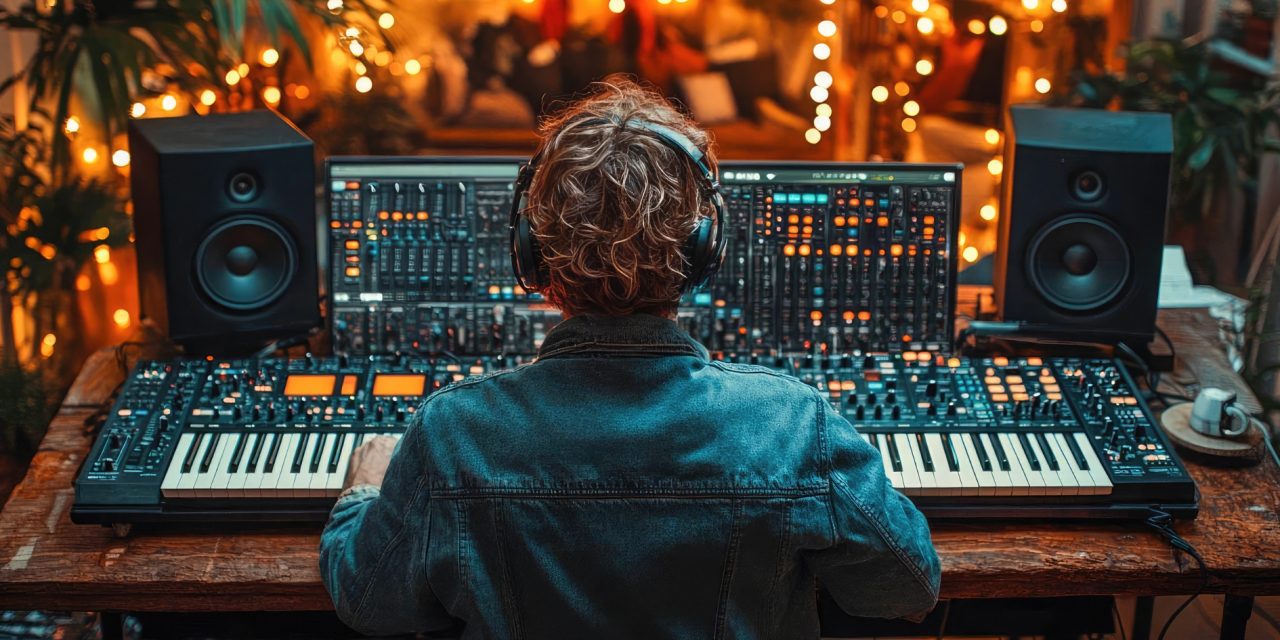
Lounge music didn’t just drift into existence on a cloud of reverb—someone had to design that cloud. Today’s most influential lounge artists act like careful architects, crafting sonic spaces where soft synths, warm pads, and smooth rhythms live in perfect harmony.
Their work shapes digital aesthetics, fashion moods, and the soundtracks behind thousands of curated videos. And for creators on a budget, these artists offer ready-made atmospheres that elevate content without extra effort. Let’s explore the musicians building these tranquil sound worlds and the techniques that give their tracks such magnetic calm.
Influential Artists and Their Sounds
Notable Lounge Music Producers
Producers like Thievery Corporation, Air, and Bonobo have defined the modern lounge identity by blending genres into cohesive, atmospheric experiences. Their influence extends far beyond lounge circles, shaping electronic music, content creation, and lifestyle aesthetics.
Thievery Corporation emerged in the mid-1990s with a signature blend of dub, jazz, and bossa nova. Their track “Lebanese Blonde” highlights this fusion through intricate rhythms and mellow melodies that still score fashion edits and travel reels today. Air, the iconic French duo, brought dreamy minimalism to the genre through compositions like “La Femme D’Argent,” where soft synths float over slow, hypnotic bass lines. Meanwhile, Bonobo introduced a rich downtempo style, merging electronic textures with organic instruments. His track “Kiara” demonstrates this blend with layered synths and an emotional, evolving structure.
Together, these artists created a blueprint for lounge aesthetics. Their genre-blending methods now shape sound design across lo-fi, chillwave, ambient pop, and even the background audio used by influencers who rely on mood to engage their audiences.
Signature Synth Techniques
Signature synth techniques give lounge music its instantly recognizable warmth and fluid atmosphere. By combining layered pads, thoughtful arpeggios, and spacious reverb, producers craft soundscapes that feel immersive and emotionally centered.
Layered pads act as the foundation. They form gentle harmonic beds where every note feels soft and intentional. Bonobo’s “Kiara” showcases how multiple layers can merge into a calming, cinematic texture. Arpeggiators build rhythmic movement without overwhelming the listener. Air often relies on simple repeating patterns that glide through the mix, adding subtle detail that keeps a track alive. Reverb ties everything together by making instruments feel expansive and airy, a hallmark of classic Cafe del Mar compilations.
These techniques create lounge music’s unmistakable depth. They engage listeners without demanding focus, making the genre perfect for aesthetic content, late-night edits, and any space where mood matters as much as melody.
Conclusion
Lounge music thrives because artists continue to shape it with innovative blends, careful curation, and signature synth craftsmanship. Their sounds influence digital aesthetics, creator culture, and even how people experience fashion and lifestyle content.
When producers layer pads, design soft arpeggios, and apply atmospheric effects, they create a listening experience that feels intentional and soothing. These approaches keep lounge music evolving while preserving its relaxed spirit. And as creators search for new ways to build emotional impact, the work of these influential artists remains a reliable source of depth, calm, and unmistakable style.
How will you use these signature lounge sounds to shape the mood, style, or storytelling of your next creative project? Discover more curated tracks, deeper trend breakdowns, and fresh sonic inspirations only at DLK Lounge.
