Lounge music often lives in the in-between moments. It fills pauses, softens transitions, and shapes atmospheres without ever asking to be the main event. That subtle presence can make it seem simple, even effortless, but the sound is anything but accidental.
Lounge music is built from deliberate musical choices, borrowing selectively from genres that value nuance, texture, and emotional balance. This article looks at the influences that quietly shape lounge music, revealing how different genres contribute to a sound designed to feel natural, immersive, and timeless.
Genres That Shape Lounge Music
Jazz, ambient, and downtempo electronic music form the backbone of lounge music’s signature sound. Each genre contributes a distinct element that helps lounge tracks remain engaging without demanding attention.
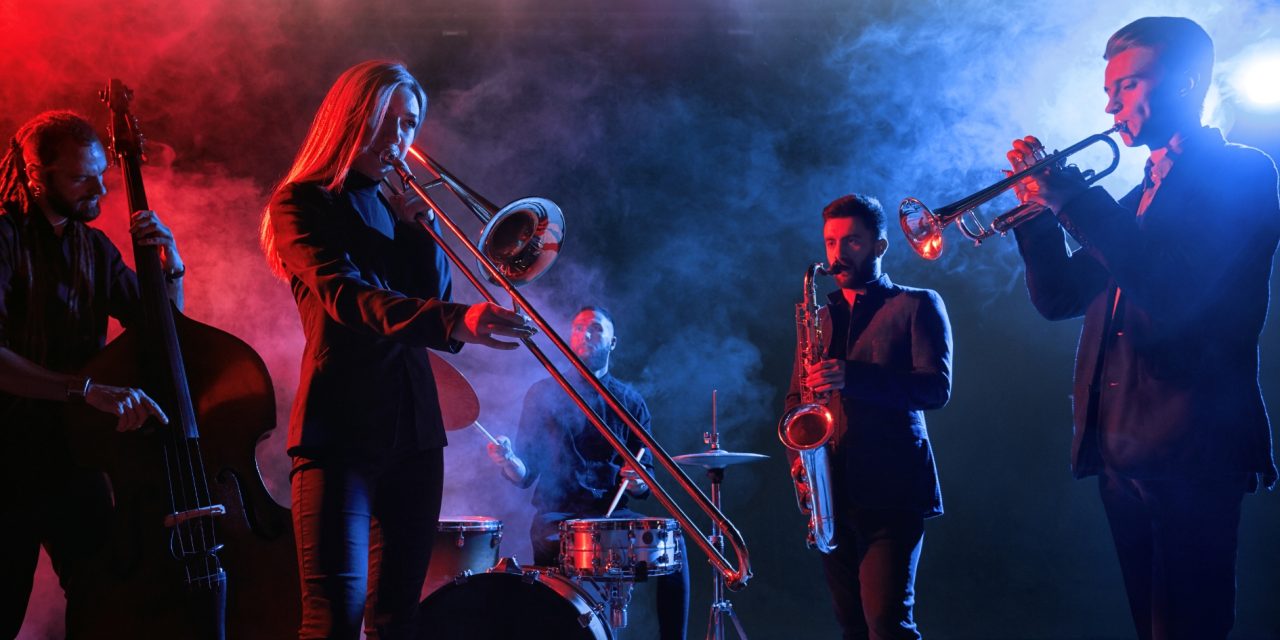
Jazz brings improvisation and harmonic depth. Lounge producers often borrow extended chords, subtle swing, and melodic phrasing inspired by saxophone or piano solos. These elements add warmth and sophistication without overwhelming the listener. You hear this influence clearly in smooth chord progressions and melodic leads that feel expressive but restrained.
Ambient music contributes atmosphere and space. Soft pads, evolving textures, and gentle soundscapes create a sense of calm that defines lounge environments. Rather than driving the track forward, ambient elements stretch time, allowing the music to breathe. This approach makes lounge music ideal for cafés, hotel lobbies, and late-night playlists.
Downtempo electronic music adds structure and groove. Steady beats, muted basslines, and minimal percussion keep the music grounded. The tempo stays relaxed, but the rhythm remains consistent enough to support movement and flow within the track.
Artists and Compilations That Define the Blend
The fusion of these genres becomes clearer when looking at artists and collections that helped define lounge music’s identity. Their work shows how balance, not complexity, creates lasting appeal.
Thievery Corporation is a standout example. Their music blends jazz instrumentation, ambient textures, and downtempo beats into cohesive tracks that feel global and timeless. Each element supports the mood without competing for attention, making their sound a reference point for modern lounge production.
The Café del Mar compilations offer another defining example. These collections curate atmospheric tracks from diverse artists, unified by mood rather than genre labels. The result is a listening experience built on flow, subtle variation, and emotional consistency. These compilations helped cement lounge music as a genre shaped by curation as much as composition.
Together, these influences and examples show that lounge music thrives on intentional restraint. It draws from rich musical traditions, then simplifies them into something effortless and immersive.
Conclusion
Lounge music’s appeal lies in how seamlessly it blends its inspirations. Jazz adds character, ambient music creates space, and downtempo electronic rhythms provide gentle momentum. Artists and compilations refine these elements into soundscapes that enhance environments without overpowering them. Understanding these influences reveals why lounge music feels timeless, adaptable, and endlessly listenable across different spaces and moments.
How do these influences shape the way you experience lounge music in your own listening spaces? Let us know in the comments and stay immersed in lounge culture, curated sounds, and chilled inspiration only at DLK Lounge.
