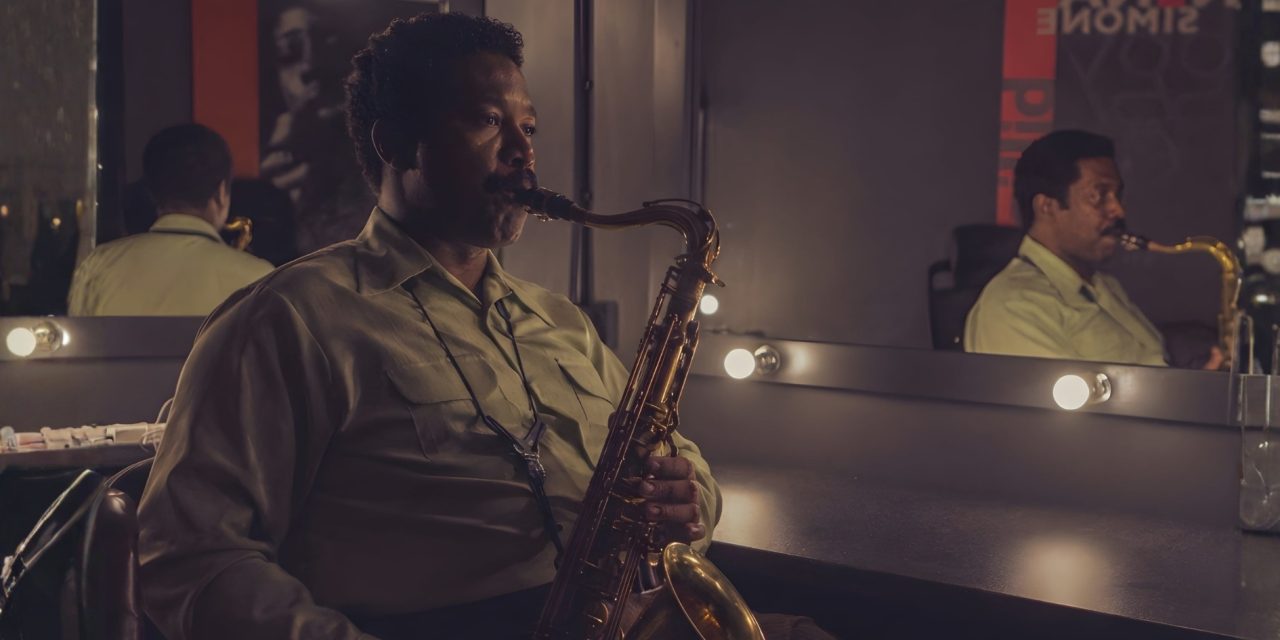
Picture a sax line that doesn’t beg for attention — it commands it quietly.
It drapes over the track like silk in low light. It feels intentional. Controlled. Understated. The kind of phrase that belongs in a dim lounge, not an elevator.
That “expensive” sound isn’t about playing more notes. It’s about playing the right ones — with space, breath, and harmonic intelligence. Crafting that tone requires discipline, taste, and a willingness to leave space where others would overplay.
Let’s break down the mindset and the traps to avoid so your horn lines land with polish, not parody.
The Mindset Behind an Expensive Sax Tone
An expensive sax sound starts in the mind, not the mouthpiece.
Producers and players often reference the studio polish heard on Aja by Steely Dan. The horn phrasing there — particularly the restrained elegance of players like Chuck Findley — demonstrates a key principle: space is sophistication.
The goal isn’t speed. It’s control.
Compare that to the theatrical sustain-heavy solo style popularized in tracks like Careless Whisper by George Michael. Iconic? Absolutely. Subtle? Not exactly.
Expensive phrasing lives closer to late-night restraint than stadium drama.
Adopt this working rule:
If it feels showy, reduce it.
Focus on:
- Dynamic swells instead of long, static sustains
- Breath-infused tone instead of force
- Harmonic richness instead of scale dumping
- Mid-register warmth instead of altissimo theatrics
Luxury in sound comes from intention. A single well-shaped phrase can say more than sixteen bars of technical display.
Avoiding the Cliché Traps
Certain patterns instantly signal “cheesy.” Recognizing them is half the battle. Here’s how to elevate instead of imitate:
1. Overused blues scale on every ii–V–I
Instead of defaulting to predictable blues runs, explore modal color. Try Lydian b7 textures or tasteful upper extensions (9ths, 11ths, 13ths) for depth without cliché.
2. Endless high-note sustains
Long notes aren’t the problem — shapeless ones are. Shape them with breath decay, subtle vibrato control, and slight dynamic tapering. Make the note evolve.
3. Forced altissimo peaks
Shrill highs break intimacy. Stay in the tenor’s middle register and explore subtone phrasing. Warmth reads as confidence.
4. Exaggerated vibrato scoops
Overdone bends can tip into parody. Instead, use chromatic approach tones and legato transitions for smooth sophistication.
5. Formulaic 16-bar bebop solos
Shorten. Edit. Say something in eight bars and leave the room. Ghost notes and syncopation add nuance without overcrowding.
6. Blues language over major 7 chords
Flat-five clashes often feel dated. Lean into pentatonic phrasing with upper chord tensions for modern harmonic lift.
7. Rapid-fire 16th-note chase riffs
Velocity isn’t luxury. Straight eighths with subtle swing often feel more confident and composed.
Practice these swaps inside your DAW or rehearsal space. Record both versions. Listen for emotional depth, not technical accuracy.
Refinement happens in the editing.
Final Takeaway
Writing mellow sax lines that feel expensive isn’t about complexity — it’s about taste. Restraint, breath control, harmonic awareness, and intentional phrasing create a tone that feels polished instead of performative.
When you remove the clichés and trust space, your lines begin to carry weight. Not because they’re louder or faster — but because they feel deliberate.
That’s the difference between background noise and after-hours elegance.
Are your horn lines filling space — or shaping it? Explore more refined performance and production insights at DLK Lounge, where modern musicians elevate their craft.
