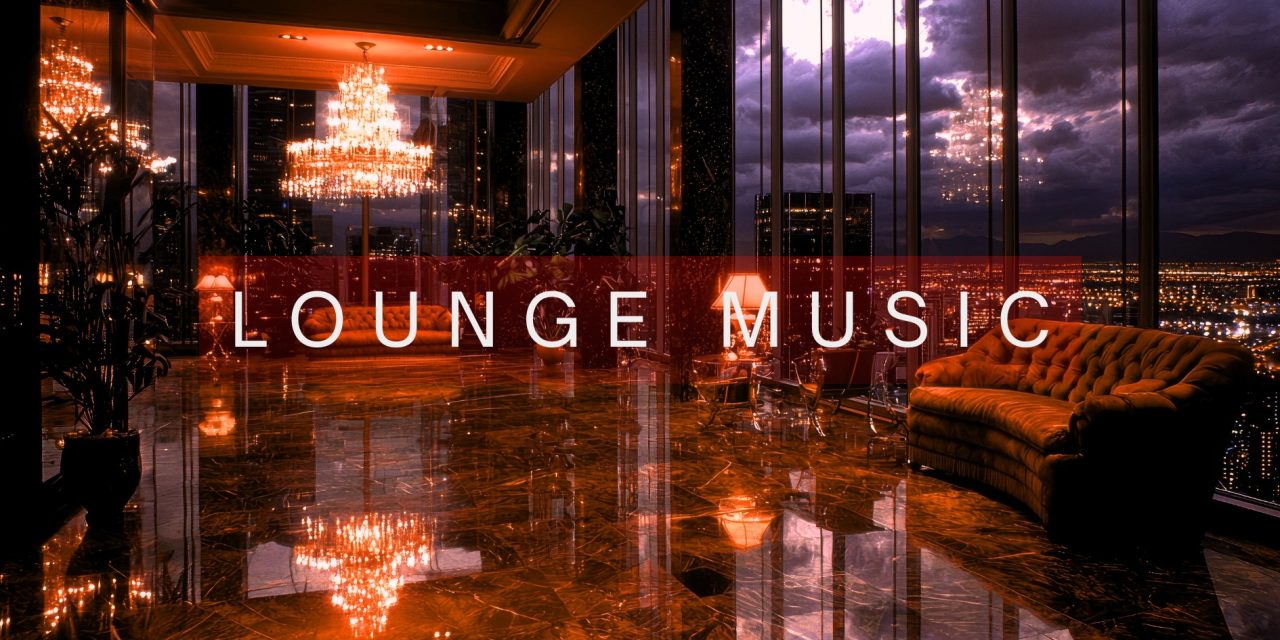
Lounge music has become a defining element of modern relaxation culture, shaping environments through refined and unobtrusive soundscapes. Once limited to hotels and curated radio segments, it now plays a central role in cafes, bars, and creative spaces.
Its appeal lies in its ability to enhance atmosphere without competing for attention, offering calm in an increasingly noisy world. In this way, lounge music has earned its place as the new aesthetic queen of contemporary spaces.
Comparative Analysis with Lo-fi Jazz
Although lounge music and Lo-fi Jazz both promote relaxation, they differ in tone, structure, and listening intent. Lounge music is characterized by smooth melodies, gentle rhythms, and occasional soft vocals that blend easily into social environments. This makes it especially suitable for spaces where conversation and ambiance take priority over active listening.
Curated collections such as Café del Mar compilations are widely used in cafes for this reason, as they provide elegance without distraction.
Lo-fi Jazz, on the other hand, emphasizes texture and emotional warmth through elements like vinyl crackle and improvisation. Artists such as Nymano and Jinsang combine hip-hop beats with jazzy samples to create soundscapes that feel personal and nostalgic.
While lounge music enhances shared environments with polish and consistency, Lo-fi Jazz often supports individual focus, study, or introspection. Both genres foster calm, but their applications differ based on space and purpose.
Influence on Modern Relaxation Spaces
Lounge music has a measurable impact on how people experience modern relaxation spaces. Many cafes and hospitality venues use it strategically to influence customer behavior and comfort.
Blue Bottle Coffee reported a 30% increase in customer satisfaction and a 15% rise in the time customers spent in-store when lounge tracks were played. These results highlight how sound contributes directly to perceived quality and engagement.
Bars experience similar benefits. The Velvet Lounge observed that patrons lingered 20% longer during happy hour when soft jazz filled the space. Music analytics platforms such as Soundtrack Your Brand allow venues to design playlists tailored to specific audiences, helping maintain a consistent atmosphere throughout the day. This targeted use of lounge music strengthens ambiance while encouraging relaxed social interaction.
Conclusion
Lounge music has evolved into a functional and aesthetic tool that shapes modern environments with subtle authority. Its refined sound supports comfort, social flow, and spatial identity without overwhelming listeners. When compared with Lo-fi Jazz, lounge music prioritizes elegance and consistency rather than nostalgia and personal immersion. This balance explains its growing influence across contemporary relaxation spaces.
Is lounge music quietly shaping how you experience comfort and atmosphere in the spaces you visit? Discover more curated perspectives on modern sound culture at DLK Lounge, where intentional listening defines the experience.
