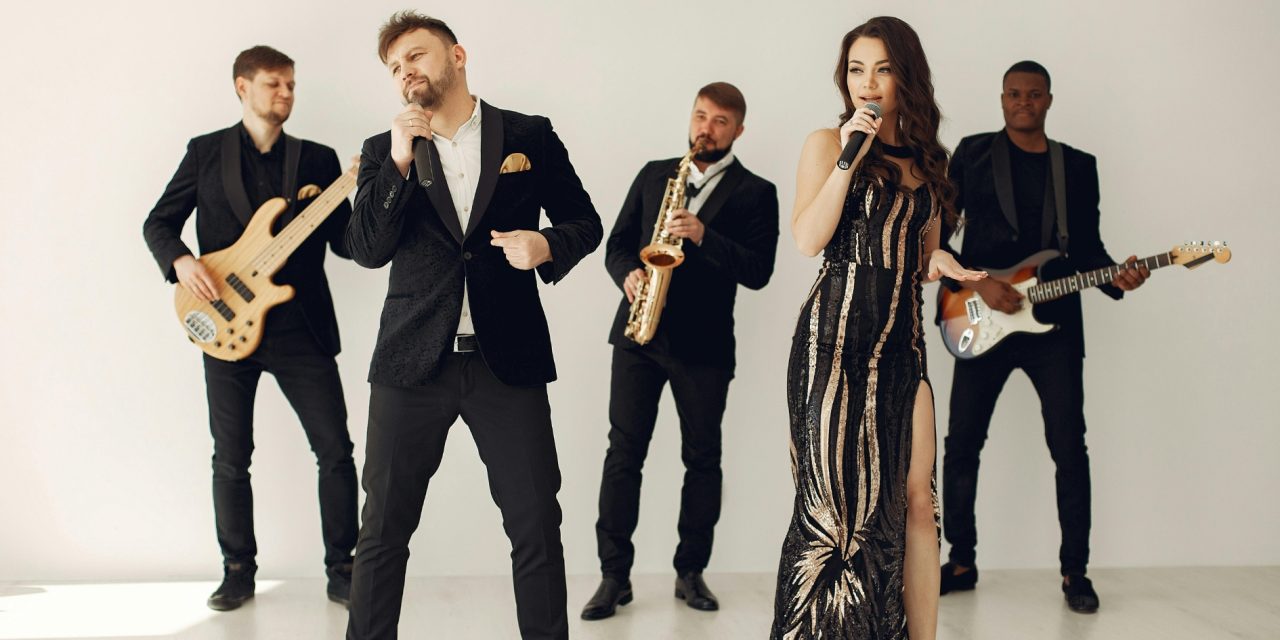
Lounge and jazz collaborations have moved beyond novelty and into intention. After years of experimentation and overlap, the conversation is no longer about whether these worlds belong together, but how they will evolve alongside changing listening habits, production tools, and creative spaces.
What emerges next will shape not just new records, but how lounge music functions in modern environments, from curated rooms to late-night listening culture.
Artists Shaping The Modern Lounge-Jazz Crossover
A new generation of musicians is treating jazz and lounge not as fixed genres, but as flexible languages. Tom Misch and Yussef Dayes sit comfortably at the center of this shift, each approaching fusion from a different angle while arriving at similarly immersive results.
Tom Misch’s work leans toward warmth and accessibility. His album “Geography” balances jazz harmony with lounge-friendly restraint, allowing certain tracks to feel intimate without becoming understated. The guitar lines remain expressive, the vocals relaxed, and the overall mood polished enough to live naturally in lounge environments without losing musical depth.
Yussef Dayes, on the other hand, approaches the crossover through rhythm and motion. His Black Focus project emphasizes polyrhythms, live instrumentation, and dynamic interplay. While more technically complex, the music still translates into lounge settings because of its flow and textural consistency. The result feels alive yet controlled, a sound that rewards attentive listening without overwhelming the space.
Together, these artists illustrate where lounge and jazz meet comfortably today: thoughtful composition, emotional clarity, and a strong sense of atmosphere.
Where Lounge And Jazz Collaborations Are Heading
Looking ahead, the direction of lounge and jazz collaboration appears less linear and more layered. Hip-hop, electronic music, and beat-driven production are becoming natural extensions of the conversation rather than outside influences. Artists influenced by figures like J Dilla and Flying Lotus have already demonstrated how sampling, looping, and rhythmic experimentation can deepen jazz-rooted ideas while keeping them accessible.
Digital platforms are also reshaping how these collaborations form. SoundCloud and similar spaces allow musicians to test ideas quickly, share unfinished concepts, and build communities around evolving sounds. This openness encourages cross-pollination without the pressure of rigid genre expectations.
Live jam sessions, collaborative workshops, and hybrid performance formats further support this evolution. By blending improvisation with electronic structure in real time, artists create music that feels spontaneous yet cohesive. For lounge culture, this means future soundscapes that are richer, more diverse, and better suited to modern listening habits.
Conclusion
The future of lounge and jazz collaboration is not about replacing tradition, but extending it. As artists continue to blur boundaries with intention and care, the result is music that feels both grounded and forward-looking. These collaborations point toward a lounge culture that values nuance, rhythmic intelligence, and emotional balance. It is a future where the atmosphere remains central, but creativity has more room to breathe.
Which collaborations do you think will define the next era of lounge and jazz? Dive deeper into forward-thinking artists, evolving sounds, and modern lounge culture — and keep the conversation going at DLK Lounge.
