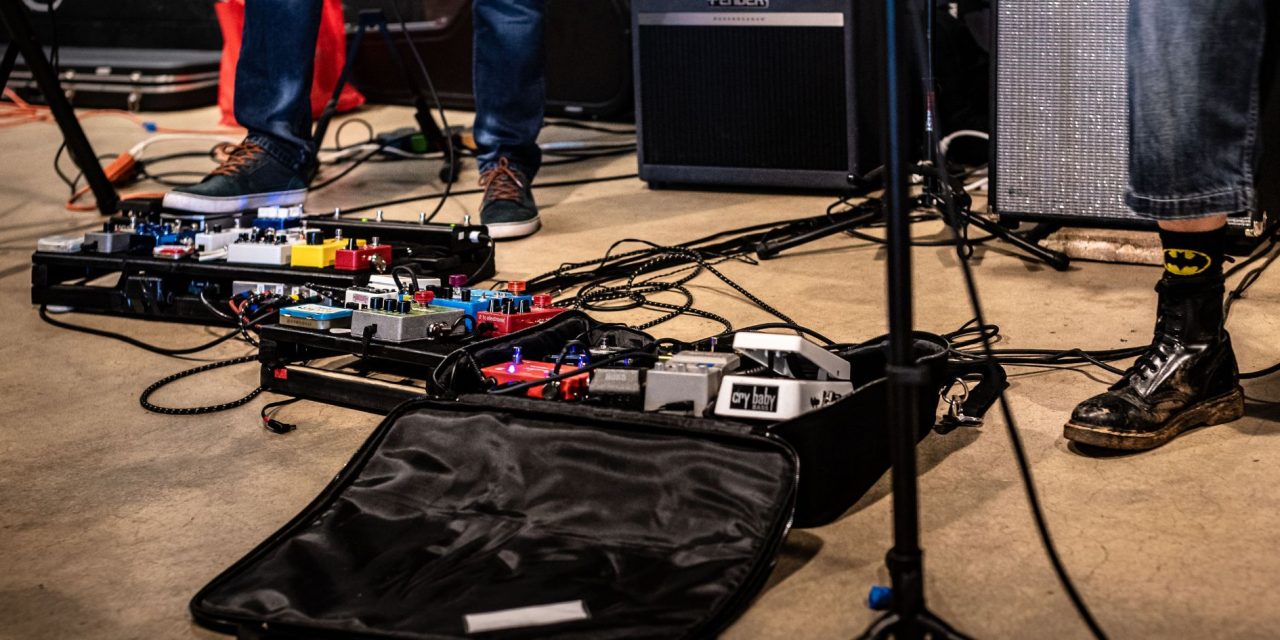
Few things kill a beautiful lounge session faster than mysterious noise. One minute your Rhodes chords sound warm and cinematic, and the next there is a hum lurking underneath the mix like an uninvited guest who refuses to leave. The frustrating part? The problem is often not your instrument, plugin, or performance—it is the power behind it all.
Whether you produce lounge music with hardware synths, electric pianos, guitar pedals, or hybrid studio setups, clean and reliable power plays a huge role in maintaining the smooth, polished sound the genre depends on. The warm textures, spacious chords, and subtle details that define lounge music can quickly be masked by unwanted noise, voltage issues, or poorly maintained power supplies.
Maintaining Power Supplies and Adapters
For lounge musicians and producers, clarity matters. Small imperfections become surprisingly noticeable when your music relies on atmosphere, dynamics, and space rather than aggressive production techniques.
Faulty adapters, unstable voltage, and worn power supplies can introduce hum, buzz, and interference that distract from delicate arrangements. A noisy power source can easily cloud a soft Rhodes progression, a smooth guitar line, or an ambient synth layer that would otherwise sit beautifully in the mix.
Regular maintenance helps prevent these issues. Checking cables for wear, inspecting connectors, and cleaning contacts can make a significant difference in overall signal quality. Many studio professionals also perform routine equipment checks before recording sessions to avoid unexpected problems later.
Simple habits like proper cable storage, keeping equipment dry, and avoiding excessive strain on connectors can dramatically extend the life of power supplies and adapters.
Choosing the Right Power Solution
Not every setup requires the same power solution. A small lounge production setup built around a few hardware instruments will have different needs than a larger studio filled with synthesizers, effects units, and external processors.
The following options are commonly used by musicians looking for reliable and consistent performance:
| Power Supply | Price | Outlets | Isolation | Maintenance Needs | Best For |
| Voodoo Lab Pedal Power 2 Plus | $179 | 12 | Yes | Low | Analog pedals |
| Strymon Zuma | $449 | 9 | Yes | Low | Digital pedals |
| Truetone 1 SPOT Pro CS7 | $99 | 7 | Yes | Medium | Budget boards |
| CIOKS 4 | $189 | 8 | Yes | Low | Compact setups |
| CIOKS 8 | $299 | 12 | Yes | Low | Large pedalboards |
While the specifications matter, lounge musicians should think beyond the numbers. The real goal is preserving the smoothness and detail that make the genre feel effortless. Reliable power helps ensure every chord, pad, bass line, and ambient texture reaches the listener exactly as intended.
Daisy-Chaining vs Isolated Power
One of the most common causes of unwanted noise is shared power sources. Daisy-chained systems can work perfectly well in smaller setups, particularly when using a handful of low-power analog devices.
However, as setups become more complex, isolated power often becomes the safer option. Separate power outputs help prevent interference between devices, reducing the chances of hum, buzz, and other signal problems.
For lounge music producers, this can be especially important. Genres built around subtle textures leave very little room for unwanted distractions. Clean power preserves the clarity of soft electric piano passages, atmospheric guitar effects, and spacious ambient elements.
Many producers discover that solving power-related issues improves their mixes more than buying another plugin or piece of gear.
Why This Matters for Lounge Music
Lounge music thrives on nuance. It is not usually the loudest genre in the room, which means listeners naturally notice the finer details.
A clean signal path allows warm Rhodes chords to breathe, smooth bass lines to sit comfortably in the pocket, and ambient textures to create the immersive atmosphere lounge listeners expect. Maintaining power supplies may not be the most glamorous studio topic, but it often plays a bigger role in the final sound than people realize.
Sometimes the difference between a good lounge production and a great one is not a new instrument or expensive plugin. It is simply removing the noise that should never have been there in the first place.
Conclusion
Reliable power is one of the least discussed foundations of professional music production. For lounge musicians, where atmosphere and detail are everything, maintaining adapters and power supplies can make a noticeable difference in clarity, warmth, and overall listening experience.
The smoother your signal path, the easier it becomes to create the relaxed, immersive soundscapes that define great lounge music.
Have you ever spent hours tweaking a mix, only to discover later that the real problem was not the music at all—but something small in your setup that was quietly getting in the way?
At DLK Lounge, we explore the overlooked details, production insights, and musical choices that help create the smooth, immersive lounge sound listeners keep coming back to.
