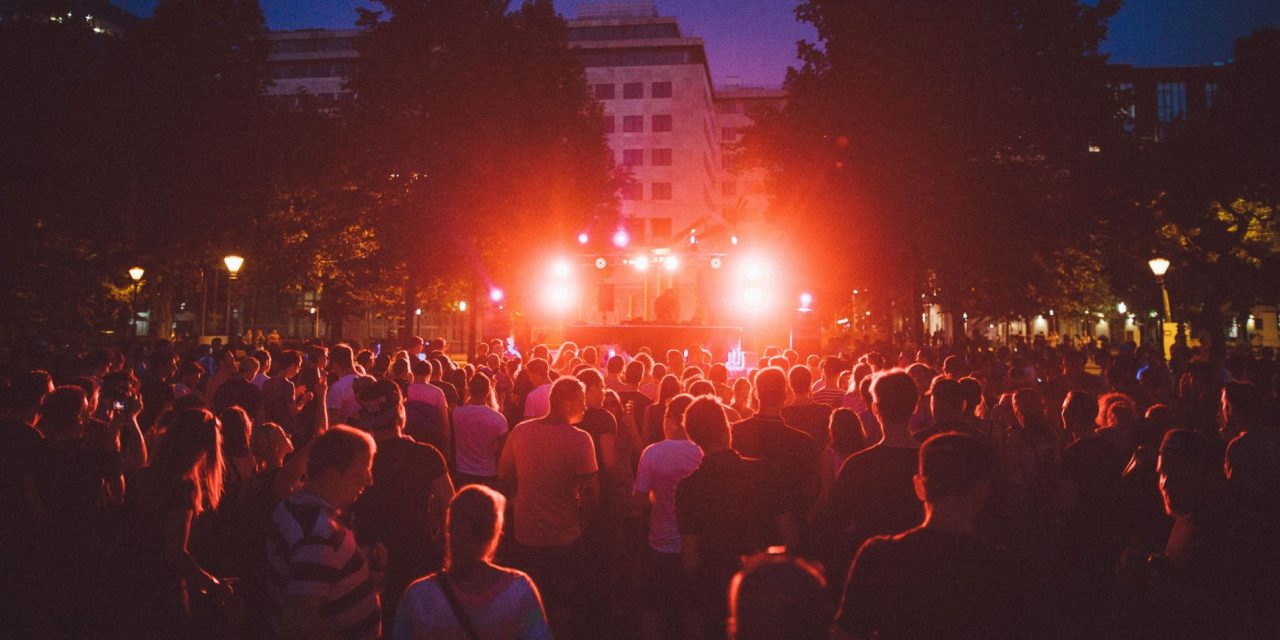
A festival does not need a giant stage, a corporate sponsor wall, or a lineup of household names to make an impression. Sometimes, the appeal is precisely what gets left out.
Lo-Fi Festival 2026 takes a deliberately smaller approach, bringing together a limited crowd, independent artists, local volunteers, and fans who have a genuine say in who performs. The result is less about spectacle and more about creating the kind of night where people actually notice the music—and the people standing next to them.
Small Enough to Feel Personal
Lo-Fi Festival’s limited 200-person capacity immediately changes the experience. Instead of navigating a sea of people between sets, attendees share the same intimate space with artists and fellow fans.
The setting also allows the music to remain the center of attention. There are no branded stages competing for attention or elaborate VIP areas dividing the audience. The focus stays on the performers, the sounds they create, and the community gathered around them.
That intimacy matters particularly for lo-fi music. The genre often thrives on atmosphere, texture, and small details that can disappear inside an enormous festival environment. In a smaller room, the character of a beat, a live loop, or a hardware-driven set becomes part of the experience rather than background noise.
The venue’s history of hosting independent shows adds another layer to that atmosphere. It feels connected to the underground music scene rather than designed specifically to look like a festival venue.
A Festival the Community Helps Shape
One of the most distinctive elements is how much influence the audience has over the lineup.
Rather than relying entirely on industry connections or established names, the festival uses community voting to help determine which artists take the stage. Fans can nominate performers, vote for their favorites, and help introduce other attendees to artists they might not have discovered otherwise.
The process combines several stages:
- Community members nominate artists through Discord.
- Fans vote on the submitted acts.
- Producers have a final say on whether selections fit the festival’s overall sound.
- Local artists receive dedicated performance slots.
- Independent artists remain at the center of the lineup.
That approach changes the relationship between audience and festival. Attendees are not simply buying tickets to a finished product. They have helped shape part of what they are coming to experience.
It also creates an opportunity for bedroom producers and emerging beatmakers to stand alongside more established independent artists. A fan vote can put an unfamiliar producer in front of a room full of people who may become their next supporters.
Artist Dinners Turn Performers Into People
The festival’s artist dinners offer another departure from the usual festival experience.
Instead of keeping performers separated from audiences behind stages, schedules, and backstage areas, these gatherings create space for artists and fans to share food and conversation. Producers can talk about their music, influences, creative processes, and the stories behind the sounds.
That kind of interaction is particularly fitting for lo-fi culture, where the connection between creator and listener often feels unusually direct. Many artists build their audiences from bedrooms, home studios, online communities, and small independent releases rather than traditional industry machinery.
Meeting the person behind the beat changes how the music can feel afterwards. A track is no longer just something heard during a set. It becomes connected to a conversation, a face, or a moment shared at the festival.
DIY Culture Without the Corporate Gloss
Lo-Fi Festival’s community-funded approach reinforces the same philosophy.
Without major sponsors dictating branding or creating elaborate commercial spaces, volunteers become an important part of making the event happen. Local people contribute to everything from setup to cleanup, giving the festival a sense of collective ownership.
That does not mean the event lacks ambition. It means the ambition is pointed somewhere else.
Instead of asking how big the festival can become, the model asks how meaningful the experience can be. The emphasis falls on independent music, local involvement, fan participation, and an environment where people can enjoy the culture without feeling like they are moving through a marketing campaign.
For the underground scene, that can be valuable. Small festivals give emerging artists somewhere to experiment, audiences a chance to discover unfamiliar sounds, and communities a reason to gather around music they genuinely care about.
Conclusion
Lo-Fi Festival stands out because it treats the festival as a community gathering built around music, rather than a commercial event that happens to contain music. Its intimate setting, fan-led curation, artist interactions, and DIY foundation all reinforce the same idea: the experience matters as much as the lineup.
For lo-fi and underground music, that intimacy can be powerful. It gives emerging artists room to be heard and gives fans a more personal connection to the culture they support.
Would you trade a massive festival crowd for a night where the music—and the people behind it—feel closer? Discover more intimate music experiences, underground sounds, and the communities bringing them to life on DLK Lounge.
