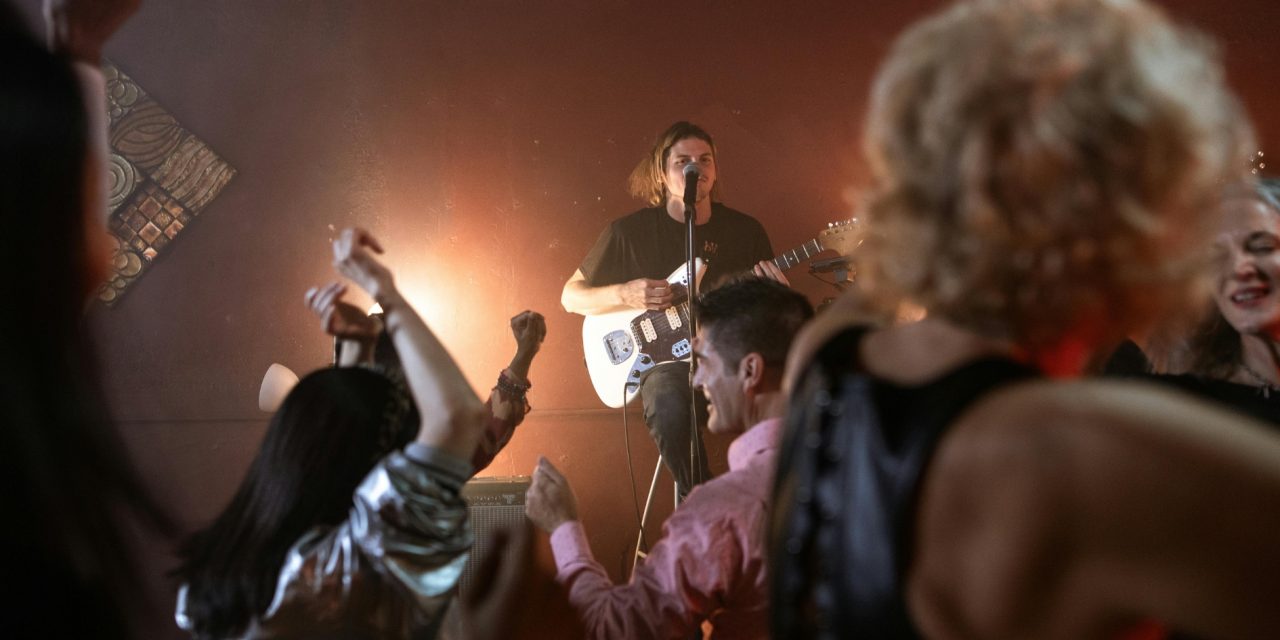
Energy in music isn’t just about speed—it’s about how momentum feels over time. In high-energy genres, especially festival-ready sounds inspired by Avicii, the goal is to create movement that feels inevitable. The kind that lifts a crowd without forcing it.
This is where 120–140 BPM grooves come in. Around 128 BPM in particular, the body naturally locks into the rhythm. It’s fast enough to feel exciting, but steady enough to stay controlled. That balance is what makes tracks feel alive instead of chaotic.
But tempo alone is not the magic. The real lift comes from how harmony, rhythm, and layering interact. Bright major chords create emotional openness, while repetitive rhythmic structures give listeners something to hold onto. When those two elements work together, the result is energy that feels both powerful and smooth.
In lounge-influenced electronic spaces, this matters even more. You are not just trying to make people jump—you are shaping an atmosphere that flows. Energy should feel like it’s rising naturally, not being pushed.
The Role of Groove: Why 128 BPM Feels So Right
At the core of uplifting music is a steady, driving groove. The classic four-on-the-floor kick pattern does more than keep time—it anchors everything else around it. It creates a pulse that listeners can settle into, whether they are dancing or just absorbing the track.
Hi-hats and percussion add another layer of movement. When slightly offset—just a few milliseconds—they introduce a subtle human feel. That small imperfection keeps the groove from sounding mechanical, which is key if you want energy without stiffness.
Bass plays a different role. Instead of dominating, it interacts with the kick to create space and movement. That push-and-pull feeling is what gives tracks their bounce. When done right, the groove feels locked in but never rigid.
This is where lounge sensibilities quietly influence things. Even in high-energy contexts, groove should breathe. It should feel like something musicians could play together, not just something programmed to perfection.
Bright Harmony and Builds: The Emotional Lift
If rhythm drives the body, harmony drives the emotion.
Major triads—simple as they are—carry a kind of clarity that instantly feels uplifting. Progressions like I–V–vi–IV have been used endlessly because they work. They create familiarity while still allowing for dynamic movement.
But what really elevates these chords is how they are introduced and developed. Instead of dropping everything at once, energy builds gradually. Layers stack. Textures widen. Filters open up. By the time the full sound arrives, it feels earned.
That sense of build is what turns a good idea into a moment.
Artists like Swedish House Mafia mastered this approach—letting tension rise slowly before releasing it in a way that feels both powerful and emotional. It is not just about loudness. It is about contrast.
Even in lounge-inspired productions, this principle holds. The difference is subtlety. The rise might be softer, the textures warmer, but the emotional arc is still there. Energy doesn’t always have to explode—it can glow.
Balancing Density Without Losing Clarity
One of the easiest mistakes in high-energy music is over-layering. More sounds do not automatically mean more impact.
What actually creates energy is contrast and space. A full section feels powerful only because something simpler came before it. When everything is dense all the time, nothing stands out.
Layering should feel intentional. Percussion, melody, and harmony each need their own space in the mix—not just technically, but musically. Each element should have a purpose in the overall movement of the track.
This is where lounge thinking becomes valuable again. Lounge music thrives on restraint. Even when borrowing high-energy elements, keeping that sense of control ensures the track stays smooth instead of overwhelming.
Wrap Up
Energetic music that truly connects is never just about tempo or loudness. It is about how groove, harmony, and structure work together to create momentum that feels natural.
The best uplifting tracks do not force energy—they guide it. They build gradually, move intentionally, and leave space for the listener to feel the rise.
And when you blend that with a touch of lounge-inspired restraint, something interesting happens. The energy still hits—but it feels smoother, more controlled, and ultimately more lasting.
Are you building energy that people feel—or just stacking elements that sound loud?
Let us know in the comments, and keep refining your sound and musical direction only at DLK Lounge!
