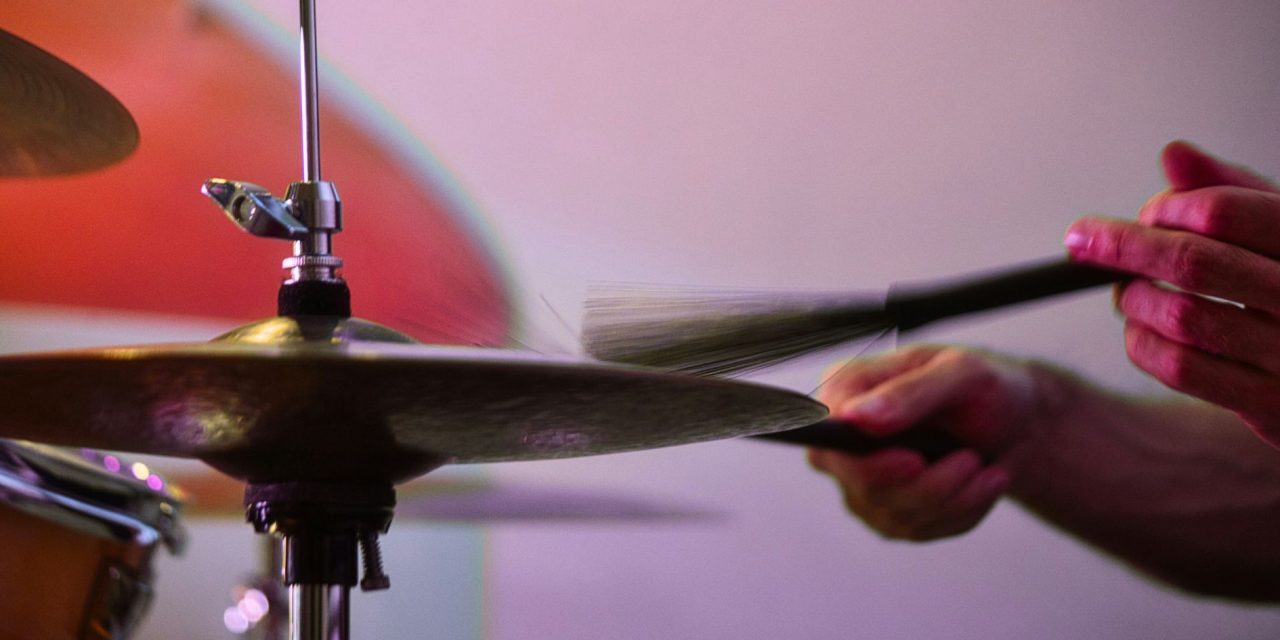
Jazz drums don’t always need to crack, crash, or announce every beat. Sometimes, the drummer creates the groove with a sound closer to a whisper. That’s where jazz brushes come in, turning familiar drum rhythms into something gentler, more fluid, and surprisingly expressive.
Unlike drumsticks, brushes spread their contact across the drumhead using thin, fanned-out bristles. That simple difference changes the music’s entire texture. Instead of sharp attacks dominating the room, you hear soft swishes, delicate accents, and a pulse that seems to float beneath the melody.
How Brush Technique Differs From Sticks
Drumsticks produce distinct attacks when they strike a surface, while brushes can create sound through both tapping and sweeping.
Their bristles generate friction against the drumhead, producing a soft, diffuse hiss alongside individual rhythmic accents. The result is a more varied sound than simply playing sticks at a lower volume. Modern Drummer explores how these movements shape brush playing.
A common brush technique involves circular motion across the snare drum. One hand may maintain a continuous sweep while the other adds taps or shorter strokes. The exact pattern varies with the drummer, tempo, and musical arrangement.
The flowing sweep creates legato articulation, where sounds connect into a continuous texture. Shorter taps and sharply defined strokes provide staccato articulation, adding rhythmic punctuation without overwhelming the softer sound.
Figure-eight patterns offer another way to create movement across the drumhead. These looping motions add variety to the texture, although brush players use many different patterns depending on the musical context.
Brushes also change how the drummer approaches rebound. Unlike sticks, their flexible bristles don’t bounce off the drumhead in the same familiar way. The player shapes the sound through controlled movement, contact, and pressure. Wrist, fingers, and forearm all contribute to the motion. Modern Drummer’s brush technique guide explains these mechanics in greater detail.
The ride cymbal adds another layer to the comparison. Stick playing often produces clearly defined notes, while sweeping brushes across a cymbal can create a shimmering wash. Drummers may also tap with brushes to maintain a more distinct rhythmic pattern.
Together, these techniques support the swing feel without demanding attention. In a small ensemble, brushes can maintain timekeeping and groove while leaving space for the bass, piano, and other instruments.
Listen closely to a piano trio and notice how the drums sit beneath the melody. The snare may swirl softly, while the cymbal adds a light shimmer. Rather than disappearing, the rhythm becomes part of the music’s atmosphere.
The Sound of Brushes in a Relaxed Trio
In a piano trio, the drummer’s brushes can become a subtle engine for the entire performance. The piano provides harmony and melodic ideas, the upright bass anchors the music, and the drums connect everything through rhythm.
Picture a dimly lit club, a relaxed swing, and three musicians responding to one another. The drummer switches to brushes, and the music seems to exhale. Nothing about the rhythm has to disappear; its character simply changes.
This effect depends on the whole ensemble, not just the drummer. The pianist, bassist, and drummer continually adjust their dynamics and phrasing. Their musical choices determine whether the brushes feel delicate, driving, or somewhere between the two.
Swirls, Sweeps, and the Pulse You Feel More Than Hear
The circular swirl is one of the most recognisable sounds associated with jazz brushes. As the bristles move across the snare head, they create a continuous, airy texture. Think of a soft rustling sound rather than a sequence of hard drum hits.
Around that texture, the drummer can add sweeps and taps to shape the rhythm. A short accent may highlight a phrase, while a broader movement creates a more sustained wash. These contrasting gestures give brush playing its distinctive combination of continuity and detail.
The effect becomes particularly striking in a jazz ballad or relaxed swing passage. The pulse remains present, but it doesn’t have to dominate the listener’s attention. Rhythm emerges through texture, timing, and the relationship between sounds.
Cymbals can contribute to that atmosphere, too. A brushed cymbal wash adds shimmer, while lighter snare strokes maintain rhythmic definition. The hi-hat may still mark beats two and four, depending on the arrangement. The bass drum can also contribute subtle accents rather than a forceful thump.
For a useful listening comparison, focus on the different sounds rather than trying to identify every technique immediately. Notice the continuous snare texture, then listen for the shorter accents around it. Finally, follow how the rhythm supports the piano and bass.
This kind of attentive listening reveals why brush playing is more than a quieter alternative to sticks. Its appeal comes from the details that emerge when sharp attacks give way to softer, overlapping sounds.
How Piano and Bass Leave Room for Brushes
In a relaxed trio, the pianist’s phrasing and the bassist’s tone help determine how clearly the brushes come through. Sustained piano chords and melodic lines can leave space for the drummer’s softer textures. The result is an arrangement where small details become easier to hear.
The upright bass adds warmth and rhythmic direction. Its rounded notes support the groove, while the brushes provide a softer layer of motion around them. Neither instrument needs to compete for attention when the musicians shape their dynamics together.
This balance isn’t a rigid rule. A pianist might play dense chords, or a bassist might use a stronger attack, without automatically disrupting the music. What matters is how the musicians respond to one another and maintain a coherent ensemble sound.
That interaction creates a conversational quality. The piano introduces an idea, the bass reinforces or redirects it, and the drums help shape its movement. Each instrument contributes without needing to occupy every available space.
Listen to a relaxed piano-trio recording and follow one instrument at a time. Start with the brushed snare, then shift your attention to the bass line and piano phrases. Notice where the sounds overlap and where one instrument leaves room for another.
This approach also connects with the wider appeal of lounge music. Subtle rhythms, warm instrumental tones, and carefully balanced arrangements can make a track feel inviting without becoming background noise.
If you’re exploring that atmosphere, From Miles to Lo-Fi: A Simple Listening Path for New Lounge Fans offers a natural next step, from classic jazz toward contemporary chill and lo-fi sounds.
The Bottom Line
Jazz brushes show how a small change in technique can transform an entire musical atmosphere. Their sweeping textures, delicate accents, and softer attacks let drummers maintain the groove without crowding the piano, bass, or melody. The magic isn’t simply that brushes play more quietly; it’s that they introduce a different way of shaping rhythm.
Next time a jazz trio catches your ear, listen beyond the melody and follow the drummer’s contribution. You may discover that the softest sound in the room is doing more than you realised.
What makes a relaxed jazz performance feel so effortlessly alive, even when the drums barely seem to speak? DLK Lounge explores the rhythms, textures, and musical details that make jazz and its modern lounge descendants worth hearing more closely.
