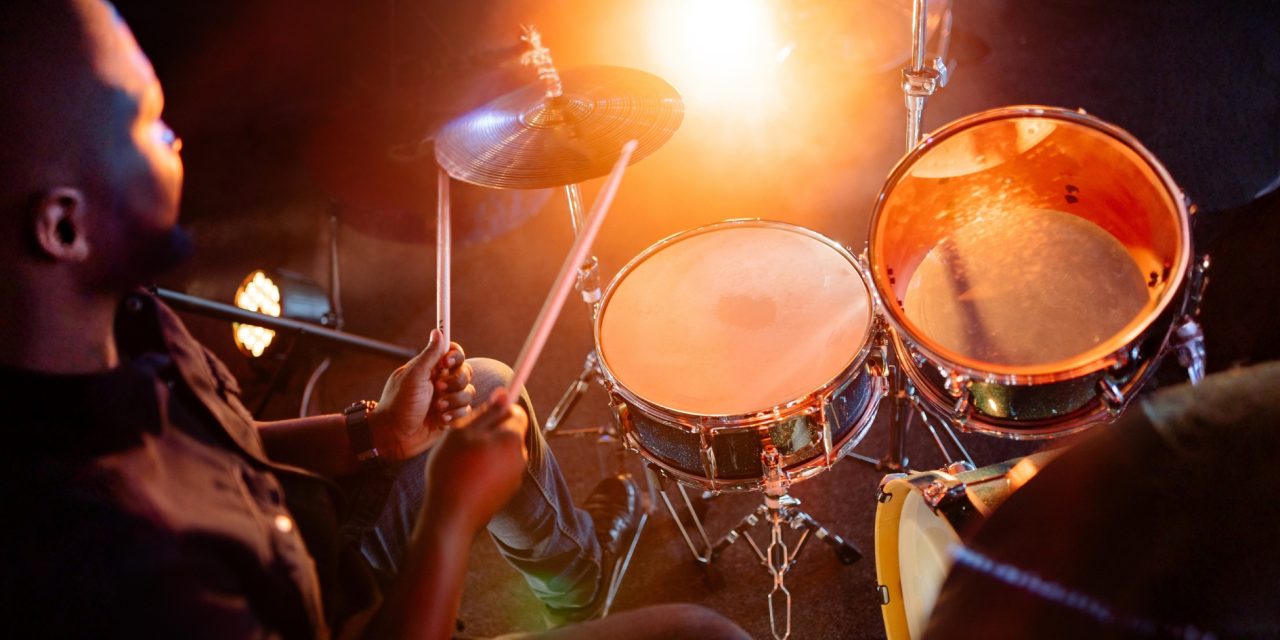
Imagine drums that don’t demand attention — they invite it.
Velvety soft, gently swung, warm around the edges. The kind of percussion that feels like late-night lamplight or the low hum of vinyl in the background. That’s the essence of velvet drums. They don’t overpower a track — they hold it together.
In lo-fi and chillhop, drums aren’t just rhythm. They’re atmosphere. They set an emotional temperature. When treated with intention, they create space that feels intimate rather than empty.
Let’s shape percussion that whispers — but still pulls.
Understanding Velvet Drums
Velvet drums are defined less by volume and more by texture.
They lean into softened transients, tape warmth, and subtle swing — techniques refined by producers like J Dilla and Nujabes. Their grooves weren’t rigid. They breathed. That slight drag behind the beat created feeling without ever sounding sloppy.
Three core elements shape this sound:
- Soft dynamics — Peaks controlled, never piercing.
- Textural warmth — Light saturation or bit reduction for gentle grit.
- Rhythmic cushion — Reverb tails and delays that blur edges just enough.
Velvet drums feel human. They don’t snap; they settle. And that softness allows melodies to bloom without competition.
Defining the Lo-Fi Soft Groove
The groove is where velvet becomes magnetic.
In Ableton Live, start with a swing around 55–65%. MPC-style grooves introduce natural push-and-pull timing — the kind that makes a loop feel lived-in instead of programmed.
Then soften the mechanics:
- Velocity variation (45–75 range) for organic lift and drop
- Micro-delays (5–15ms) on snares for depth
- Subtle humanization (3–7%) to avoid stiffness
The result isn’t chaos. It’s motion.
Shape transients so kicks feel rounded instead of sharp. Add tape-style saturation for harmonic warmth. Use gentle bus compression to glue elements together — not crush them, just bring them closer.
Layer thoughtfully:
- A muted, low-transient kick
- A dusty snare or rim
- Field textures like vinyl crackle or room tone
Low-pass filtering around 8–12kHz removes harshness while preserving air. Parallel compression can add body without killing softness.
Velvet drums are built patiently. Each small adjustment compounds into cohesion.
Final Takeaway
Velvet drums aren’t about lowering energy — they’re about shaping it with care. Through softened transients, subtle swing, warm saturation, and intentional layering, you create percussion that feels intimate instead of aggressive.
When your drums breathe, the whole track relaxes. And in that space, listeners lean closer. That’s the power of softness done well.
Are your drums pushing the listener away — or drawing them in? Explore more production craft and sonic refinement at DLK Lounge, where modern producers shape sound with intention.
