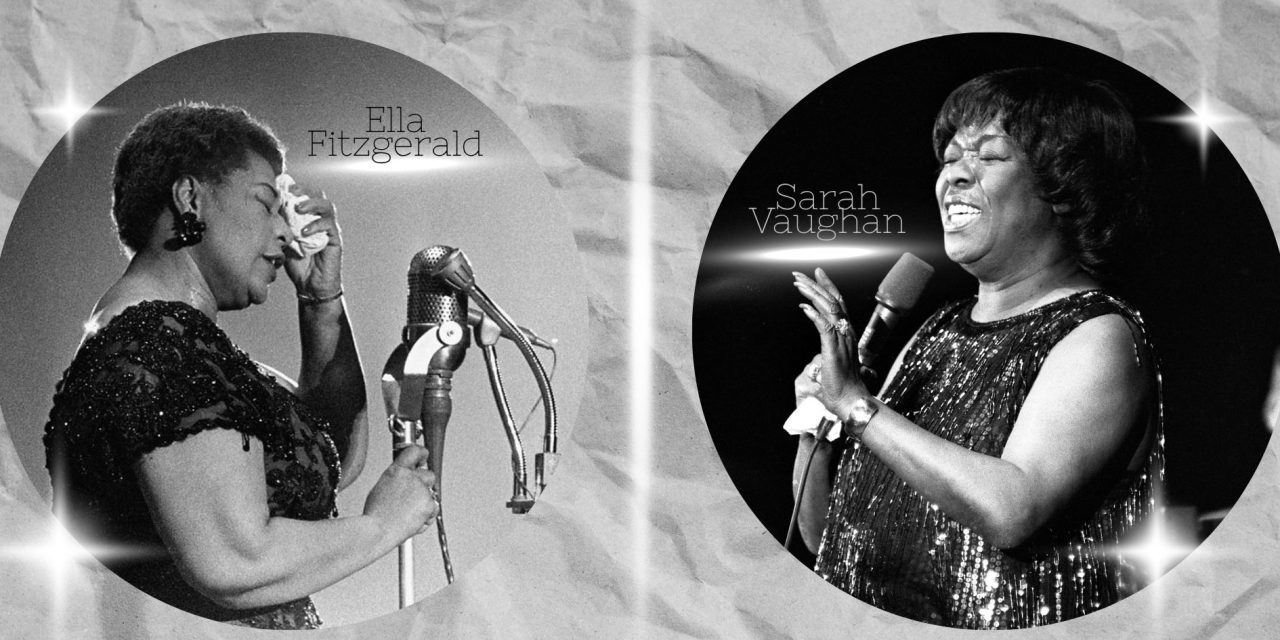
Did you know that two of jazz’s greatest singers reached the top by taking almost completely different paths?
If jazz history were a movie, you might expect Ella Fitzgerald and Sarah Vaughan to have followed similar scripts. After all, both became legendary vocalists, recorded timeless classics, and helped define the sound of modern jazz.
They didn’t.
One stumbled into stardom after changing her talent-show act at the last minute. The other impressed professional musicians so quickly that fellow jazz greats knew they were witnessing something extraordinary.
Although they would eventually become two of the most influential singers in jazz history, the journeys that brought them there were remarkably different.
Here’s the story behind those two incredible beginnings.
Their Careers Began in Surprisingly Different Ways
Ella Fitzgerald and Sarah Vaughan emerged during one of the most exciting periods in American music. Between the late 1930s and the early 1950s, jazz was evolving rapidly, moving from the dance halls of the Swing Era toward the richer harmonies of bebop.
Both women would become defining voices of that transformation, but they entered the profession through very different doors.
Fitzgerald became known for her joyful swing, impeccable timing, and revolutionary scat singing. Vaughan earned admiration for her extraordinary vocal range, rich tone, and remarkable command of harmony.
Before those differences captivated audiences around the world, however, each singer had to carve out her own place in an industry that offered limited opportunities for young Black women.
Ella Fitzgerald’s Unexpected Breakthrough
Born in Newport News, Virginia, in 1917 before later moving to Yonkers, New York, Ella Fitzgerald never imagined she would become one of jazz’s most beloved singers.
Her life changed because of a last-minute decision.
In 1934, the seventeen-year-old entered the famous Apollo Theater Amateur Night competition. She had originally planned to dance but lost her confidence after watching another contestant perform. Thinking quickly, she decided to sing instead.
That unexpected choice changed music history.
Fitzgerald won the competition and immediately caught the attention of musicians and talent scouts. Before long, she joined Chick Webb’s Orchestra, one of the most respected swing bands of the era, where she learned the art of entertaining audiences night after night.
Then came the recording that made her a household name.
Released in 1938, A-Tisket, A-Tasket sold more than one million copies and established Fitzgerald as one of America’s brightest young stars. Her effortless swing, crystal-clear diction, and infectious charm made her one of the defining voices of the Swing Era.
Following Webb’s death, Fitzgerald continued as a solo artist before signing with Verve Records in 1955. There, under producer Norman Granz, she recorded the celebrated Songbook series, interpreting the music of Cole Porter, George Gershwin, Duke Ellington, Irving Berlin, and many of the greatest composers of the twentieth century.
Those recordings remain some of the finest vocal jazz albums ever produced.
Sarah Vaughan’s Rise Was Equally Remarkable
Sarah Vaughan’s journey looked very different.
Born in Newark, New Jersey, in 1924, Vaughan developed as both a pianist and singer from an early age. Her musical training gave her a deep understanding of harmony long before she became a professional vocalist, something that would later set her apart from many of her contemporaries.
Like Fitzgerald, Vaughan also found opportunity through the Apollo Theater.
In 1943, she placed second in the Amateur Night competition, but her remarkable performance attracted enough attention to earn her a position with Earl Hines’ orchestra, where she performed as both pianist and vocalist.
Soon afterward, she joined Billy Eckstine’s groundbreaking big band alongside many of the musicians who would pioneer bebop. Performing in that environment exposed Vaughan to increasingly sophisticated harmonies and helped shape the remarkable musical intelligence that later defined her singing.
Her solo career accelerated after signing with Mercury Records in 1947, followed by successful years with Columbia Records. Throughout the following decades, Vaughan balanced commercial success with extraordinary musicianship, earning admiration from audiences and fellow jazz artists alike.
Regular appearances at celebrated venues like Birdland and the Village Vanguard further cemented her reputation as one of jazz’s finest vocalists.
Different Beginnings, Shared Greatness
Although their paths to success differed dramatically, Fitzgerald and Vaughan shared several important qualities.
Both developed their skills during the big-band era before flourishing as solo artists. Both mastered the Great American Songbook while embracing the changing sounds of modern jazz. And both earned enormous respect not simply because of their beautiful voices, but because of their discipline, professionalism, and exceptional musicianship.
Each performance reflected years of study, careful listening, and an unwavering commitment to their craft.
Perhaps that explains why both women continue to stand among the greatest singers jazz has ever known.
Conclusion
Looking back, it’s remarkable that two women with such different beginnings would eventually become two of the most celebrated vocalists in jazz history.
Ella Fitzgerald’s career began with a courageous last-minute decision on an amateur stage. Sarah Vaughan’s journey grew from years of musical training and the respect she earned from some of jazz’s greatest musicians.
Different stories. The same legendary destination. But their contrasting journeys were only the beginning.
Once they stood behind the microphone, Fitzgerald and Vaughan developed two completely different approaches to singing—each equally brilliant, each leaving an unforgettable mark on jazz history.
In the next installment, we’ll explore how their distinctive vocal styles transformed familiar jazz standards into performances that remain timeless today.
Which journey surprised you the most—Ella Fitzgerald’s unexpected breakthrough or Sarah Vaughan’s rapid rise through the jazz world?
Share your thoughts in the comments, and keep following DLK Lounge as we continue uncovering the stories behind legendary artists.
