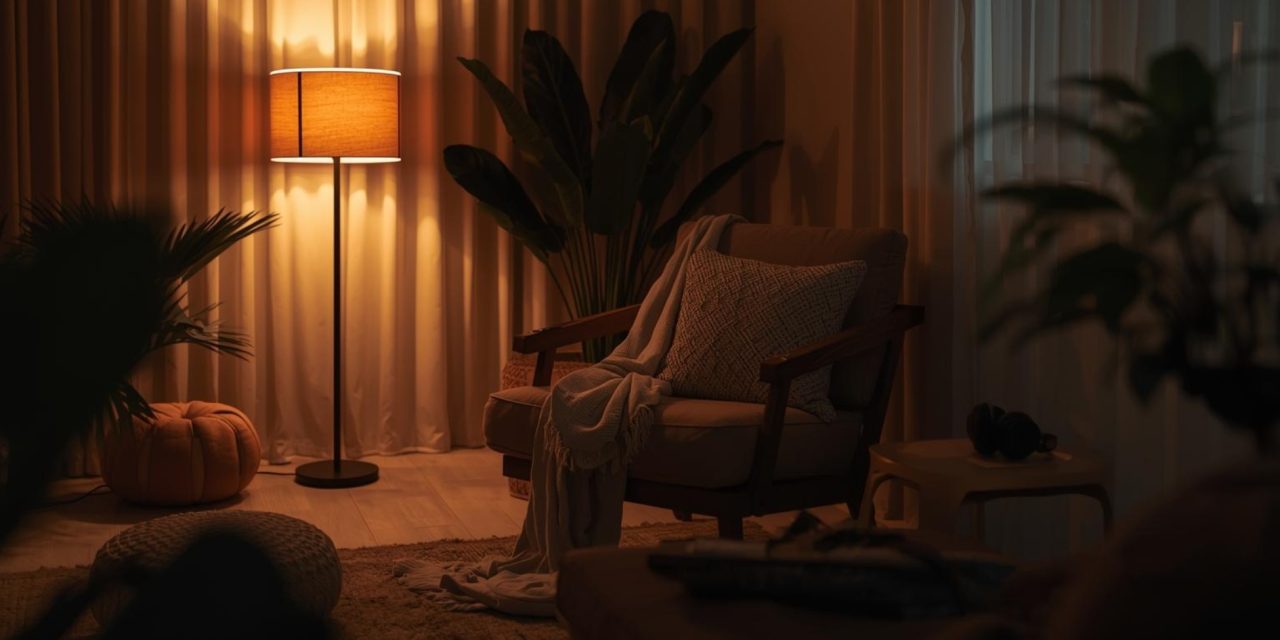
A mood room isn’t about chasing aesthetics or copying Pinterest setups—it’s about creating a space where your body relaxes before your mind even notices. Ever put on a perfect playlist only to feel oddly restless?
Lighting that’s too sharp, furniture that feels stiff, or a room that echoes can quietly undo the calm you’re trying to create. The good news is you don’t need a redesign—just a few intentional choices that let sound, light, and comfort work together instead of competing for attention.
Lighting and Decor That Support the Sound
Lighting sets the emotional temperature of a room long before music does. Bright overhead lights can flatten a soundscape, while warm, adjustable lighting allows music to feel fuller and more immersive. Dimmable LED lights with warm bulbs make it easy to shift from daytime focus to evening wind-down without changing the room itself.
Soft furnishings also play a practical role. Cushions, throws, and layered rugs don’t just add comfort—they absorb excess reflections that can make a room feel noisy or sharp. A thick rug underfoot or fabric seating nearby helps sound feel closer and more intimate. When visuals soften, your ears relax too, letting music sit naturally in the space rather than bouncing around it.
Pairing Music With Scent and Texture
Music becomes more powerful when it isn’t working alone. Adding subtle scents and tactile elements turns listening into a full sensory experience. Gentle essential oils like lavender or chamomile reinforce calm without overpowering the room, especially when diffused lightly while music plays at a low volume.
Texture matters just as much. Soft blankets, upholstered seating, or even a knit throw introduce physical comfort that mirrors the emotional tone of chill playlists. Start with instrumental or downtempo tracks, keep the volume modest, and let the combination of sound, scent, and touch slow the room down naturally. This balance works just as well for focused work as it does for evening decompression.
Bottom Line
A well-designed mood room doesn’t demand attention—it invites it. When lighting, decor, and sound align, music feels less like background noise and more like part of the room itself. Small adjustments in how a space feels can dramatically change how music is experienced, turning ordinary listening into something grounding and restorative.
When was the last time your space actually helped you relax instead of just looking nice? DLK Lounge explores how sound, atmosphere, and everyday environments come together to shape how we listen, unwind, and stay present.
