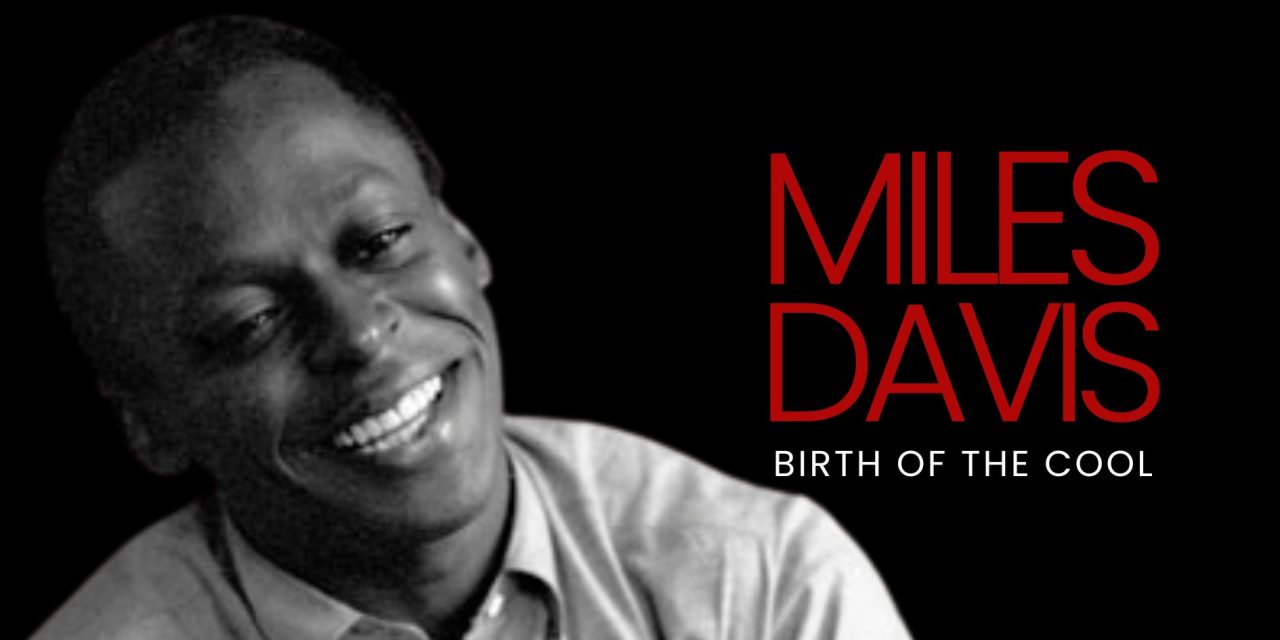
Miles Davis transformed jazz by refusing to stand still. From the restrained elegance of his nonet recordings to the charged electricity of Bitches Brew, his choices continually redefined what the music could be and who it could reach.
This exploration traces his path from early roots through modal innovation. Along the way, it examines why his sound remains a reference point for artists today.
From Young Trumpeter to Jazz Trailblazer
Miles Davis’ journey began long before he became one of jazz’s most influential figures. After moving from Illinois to New York in 1945, he enrolled at Juilliard while immersing himself in the city’s thriving bebop scene.
Between 1946 and 1948, Davis gained invaluable experience performing alongside Charlie Parker during sessions for Savoy and Dial Records. Those collaborations sharpened his musical instincts and exposed him to the harmonic complexity that defined bebop.
His own artistic voice began to emerge through early recordings for Blue Note and Prestige before he stepped into the spotlight as a bandleader. By 1949, his Capitol sessions hinted that he was already imagining a different future for jazz.
How Birth of the Cool Redefined Modern Jazz
Rather than competing with bebop’s speed and intensity, Miles Davis pursued something quieter, richer, and more spacious. Working alongside Gil Evans, Gerry Mulligan, and John Lewis, he helped develop the groundbreaking Birth of the Cool sessions between 1949 and 1950.
Instead of the familiar bebop quintet, the group embraced a nine-piece ensemble that prioritized texture, balance, and subtle expression. Their arrangements gave every instrument room to breathe, creating music that felt sophisticated without becoming inaccessible.
The project was built around careful collaboration:
- Gil Evans contributed orchestral voicing and layered harmonic ideas.
- Gerry Mulligan emphasized melodic clarity and balanced arrangements.
- John Lewis introduced structural concepts influenced by classical music.
- Miles Davis shaped the group’s understated, lyrical direction through his unmistakable trumpet sound.
Together, they created a blueprint that would influence jazz arranging for decades.
The Nonet Sessions That Changed Jazz Arranging
The Capitol recordings showcased an ensemble unlike anything audiences were hearing at the time. Davis expanded the traditional frontline by adding French horn and tuba, giving the music a warmer, fuller character while preserving remarkable clarity.
| Role | Instrument | Player |
| Trumpet | Trumpet | Miles Davis |
| Trombone | Trombone | J.J. Johnson |
| French Horn | French Horn | Sandy Siegelstein |
| Tuba | Tuba | Bill Barber |
Gil Evans’ arrangements, particularly on Moon Dreams, layered independent melodic lines instead of relying on dense block chords. Davis complemented those textures with his signature Harmon mute—used without the stem—which produced the restrained, intimate trumpet tone that became synonymous with cool jazz.
The result wasn’t simply a new sound. It was a new philosophy that valued space, dynamics, and emotional restraint over technical excess. Those qualities remain central to lounge music today, where atmosphere often speaks louder than virtuosity.
The Bottom Line
Miles Davis never chased permanence. He continually challenged both himself and his audience, trusting that growth mattered more than comfort. Ironically, that constant willingness to evolve is exactly what made his music timeless.
Whether heard through classic jazz recordings or modern lounge playlists, his influence remains unmistakable. Every spacious arrangement, muted trumpet phrase, and carefully crafted silence reminds listeners that sometimes the coolest statement is the one that doesn’t need to shout.
Which Miles Davis era keeps you coming back—the elegant restraint of Birth of the Cool or his later boundary-pushing experiments? Continue exploring the legends, albums, and timeless sounds that shaped lounge music on DLK Lounge.
