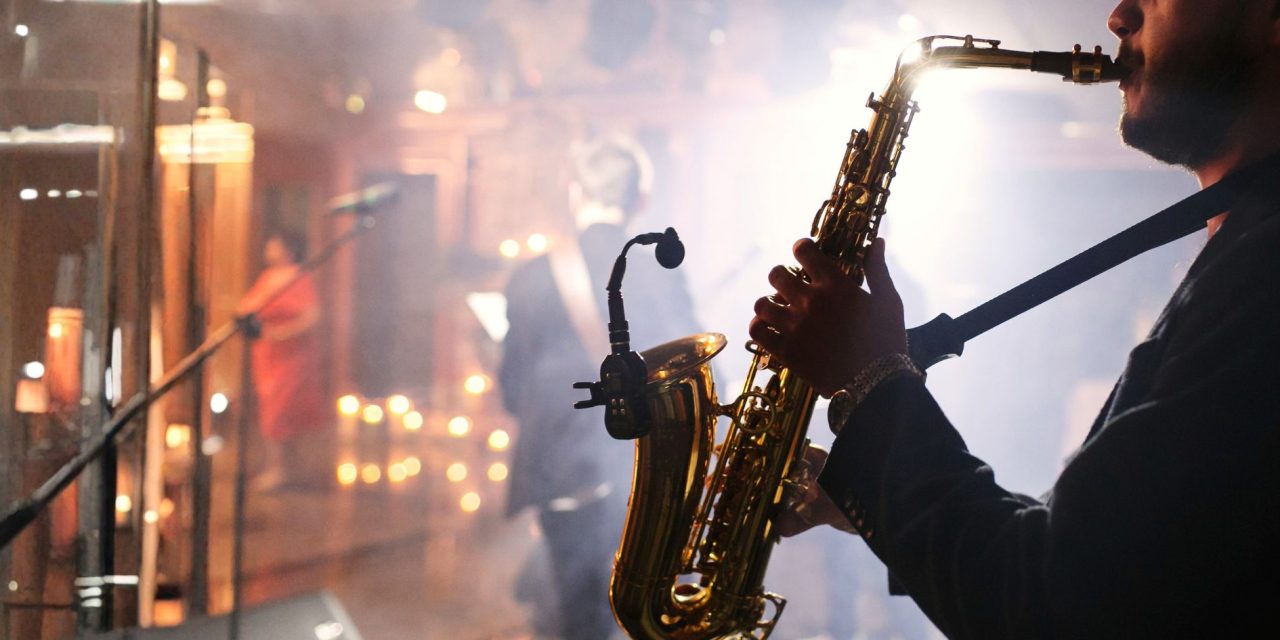
A saxophone can play all the right notes and still miss the mood completely. That’s the funny thing about lounge music—listeners rarely fall in love with the notes themselves. They fall in love with the feeling between the notes.
The most memorable lounge sax performances are not necessarily the fastest, most technical, or most complex. They feel relaxed without sounding lazy, expressive without becoming dramatic, and sophisticated without trying too hard. That balance is what gives great lounge music its timeless appeal.
Whether you’re recording a live saxophone, programming virtual instruments, or arranging horn sections, understanding rhythm, articulation, and phrasing is often more important than chasing the perfect plugin or expensive microphone.
Rhythm and Groove Essentials
One of the defining characteristics of lounge saxophone is pocket. The best players rarely rush. Instead, they sit comfortably behind the groove, creating a sense of ease that immediately makes a track feel more luxurious.
Classic lounge recordings often favor slower tempos and subtle rhythmic placement. Small timing shifts can make a huge difference. A phrase played slightly behind the beat feels relaxed and confident, while the same phrase pushed forward can suddenly sound anxious or rushed.
Ghost notes and understated syncopation also help create movement without overwhelming the arrangement. Rather than drawing attention to themselves, these rhythmic details support the groove quietly in the background.
For lounge music, the goal is not perfect precision. The goal is making listeners feel like they can sink into the music and stay there for a while.
Articulation Creates the Luxury Feel
Many producers focus heavily on tone while overlooking articulation. Yet articulation is often what separates an ordinary sax line from one that sounds expensive and refined.
Luxury lounge saxophone is usually built on smooth transitions, gentle attacks, and flowing phrasing. Notes connect naturally rather than feeling sharply separated. The result is a performance that feels conversational instead of mechanical.
Players such as George Benson and Kenny G built much of their signature sound around this sense of effortless flow. Their phrasing leaves space for the music to breathe, allowing every note to feel intentional.
In lounge arrangements, a softer touch often creates a stronger emotional impact than aggressive playing ever could.
Tonguing and Vibrato
Subtle tonguing and tasteful vibrato add character without pulling focus away from the overall atmosphere.
A gentle attack keeps phrases smooth and warm, helping the saxophone blend naturally into electric pianos, jazz guitars, upright basses, and soft percussion. Harsh attacks may work in big-band settings, but lounge music usually benefits from a lighter touch.
Vibrato serves a similar purpose. Instead of appearing immediately, it often develops naturally as a note sustains. This creates movement and emotion without sounding forced.
The best lounge players treat vibrato like seasoning. Too little can feel sterile, while too much quickly becomes distracting. The sweet spot adds warmth, personality, and intimacy.
Why Lounge Saxophone Is Really About Restraint
The biggest lesson lounge musicians can learn is that sophistication often comes from what you leave out.
A beautifully placed phrase can be more memorable than a complicated solo. A single expressive note can say more than a rapid run of technical passages. Lounge music rewards patience, space, and confidence.
When rhythm, articulation, and vibrato work together, the saxophone becomes more than a lead instrument. It becomes part of the atmosphere itself, helping create the late-night mood that defines great lounge music.
Conclusion
Great lounge saxophone is not built on complexity alone. It comes from understanding groove, shaping phrases with intention, and allowing the music enough space to breathe.
The most luxurious lounge performances feel effortless because every rhythmic choice, articulation, and vibrato movement serves the mood rather than competing with it.
Have you ever heard a saxophone phrase so smooth and expressive that it felt less like a performance and more like someone quietly telling a story?
At DLK Lounge, we explore the musicianship, production techniques, and timeless musical details that turn great lounge tracks into unforgettable listening experiences.
