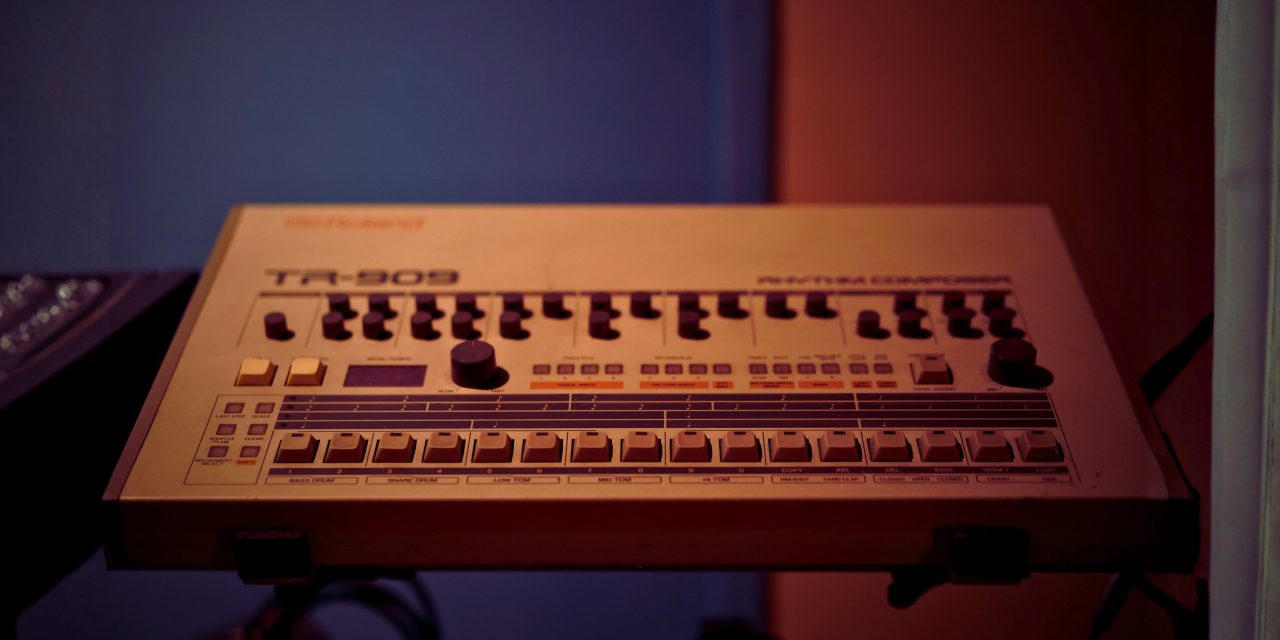
Vintage drum machines have made a comeback so strong that even producers who swore by sleek digital tools now admit they love a good analog thump. The fun twist? In 2025, old-school gear finally plays nicely with modern tech instead of acting like a stubborn relative at a family reunion. This fusion gives musicians new creative freedom, blending nostalgia with cutting-edge workflows and opening a fresh chapter in electronic production.
Integration with Modern Equipment
Modern tools make it easier than ever to pair vintage drum machines with digital audio workstations like Ableton Live and Logic Pro. A simple MIDI interface, such as the IK Multimedia iRig MIDI 2 can connect classic hardware to your computer without fuss. Once connected, producers can configure their DAW to recognize incoming signals—for example, by enabling the correct ports under Preferences > MIDI Sync in Ableton Live.
These integrations allow artists to blend retro drum textures with contemporary effects, automation, and digital processing. Fine-tuning latency and control mapping ensures a smooth workflow, reducing technical friction and letting creativity lead. This hybrid approach revitalizes iconic sounds while expanding their expressive potential, merging warm analog punch with digital precision.
Emulation Software vs. Original Machines
Emulation software like Arturia’s V Collection provides convenience, accessibility, and fast setup, but it still struggles to capture the full personality of authentic hardware. Machines such as the Roland TR-808 or the LinnDrum offer distinctive sonic quirks—deep bass, crisp hi-hats, and unpredictable variations—that many producers consider irreplaceable.
While emulators deliver impressive approximations, they lack the tactile feedback that makes original drum machines so engaging during live performances. Turning real knobs and hearing real circuitry respond creates an emotional connection software can’t fully replicate. Choosing between hardware and emulation ultimately depends on what matters more: authenticity and physical feel, or convenience and affordability.
Conclusion
Vintage drum machines continue to shape modern sound, but 2025’s technological advances make them more accessible and flexible than ever. The blend of analog character and digital convenience gives producers a richer toolkit, helping them build music that feels both timeless and forward-thinking. Whether using original hardware or a well-designed emulator, creators now have more ways to craft beats that stand out.
How would you blend retro tones with modern production to create a sound that feels uniquely your own? Explore more sonic insights at DLK Lounge, where nostalgia meets next-generation creativity.
