Music scenes rarely stand still, especially those built around atmosphere and mood. Lo-fi Jazz and Lounge music have always evolved quietly, adapting to listening habits rather than chasing mainstream attention. What’s changing now is the speed and scale at which that evolution is happening.
This article looks at emerging trends and developments shaping the future of Lo-fi Jazz and Lounge music, with a focus on digital innovation, genre fusion, and how new tools are expanding creative possibilities. The genre may still sound relaxed, but behind the scenes, things are moving fast.
Genre Blending and the Rise of Hybrid Soundscapes
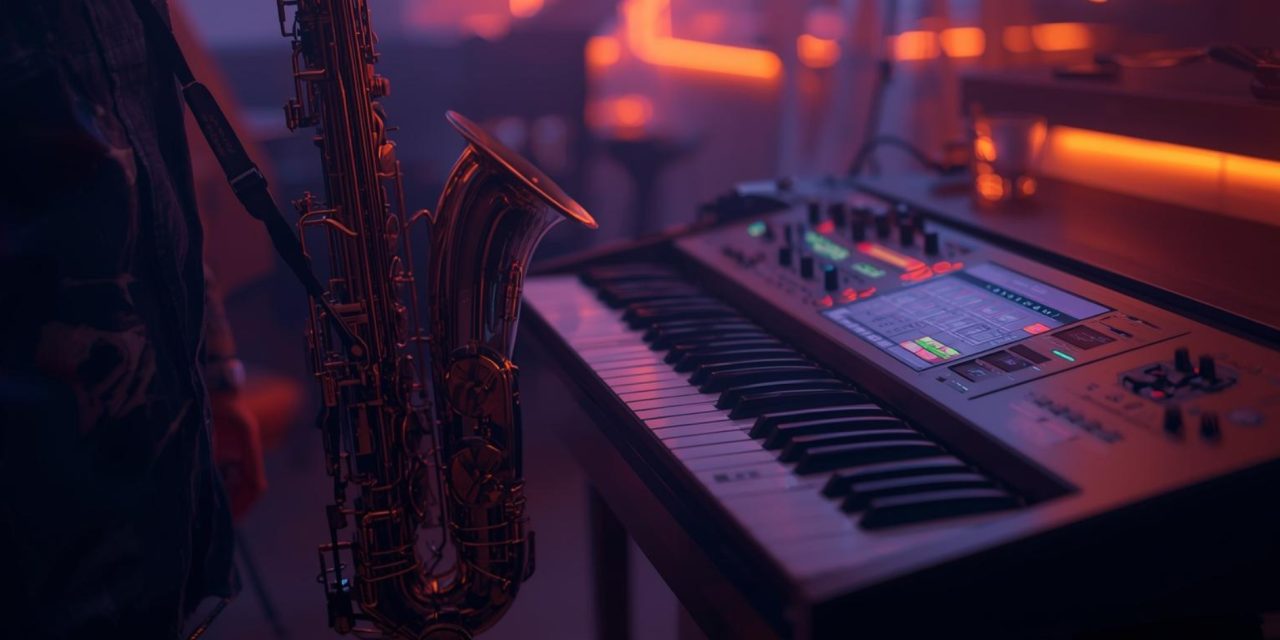
One of the most noticeable trends is the continued blending of Lo-fi Jazz with electronic and ambient elements. Producers are increasingly layering jazz harmonies, vinyl textures, and improvised melodies over electronic rhythms and synth-driven atmospheres.
This fusion broadens the genre’s appeal without stripping away its core identity. Lo-fi Jazz now comfortably lives alongside chillhop, ambient electronica, and downtempo lounge playlists. The result is a richer, more flexible sound that works just as well for focused listening as it does for background ambiance.
Listeners may not consciously label these hybrids, but streaming data suggests they are actively choosing them.
AI and Digital Tools Reshaping Music Creation
Technology is playing a growing role in how Lo-fi and Lounge tracks are created. Artificial intelligence tools like AIVA and Amper Music allow producers to generate compositions based on mood, tempo, or stylistic input. Rather than replacing creativity, these tools often serve as starting points or collaborators.
For Lo-fi Jazz producers, this opens new doors. AI-assisted workflows make experimentation faster, especially when blending jazz instrumentation with electronic textures. It’s less about automation and more about expanding the creative sandbox.
And yes, the irony of using advanced algorithms to make music designed to sound imperfect is not lost on anyone.
Streaming Culture and the Growth of Hybrid Playlists
Another key development is the rapid growth of hybrid genre playlists. Streaming platforms are increasingly promoting mood-based listening rather than strict genre categories. Lo-fi Jazz now appears in playlists designed for studying, late-night work, café ambiance, or creative focus.
Market trends point to rising engagement with these blended playlists, reflecting a listener preference for emotional consistency over stylistic purity. For artists, this means greater exposure—but also the need to think beyond traditional genre labels when releasing music.
In this landscape, versatility becomes just as important as identity.
Expanding Creative and Audience Opportunities
Together, these trends suggest a future where Lo-fi Jazz and Lounge music continue to expand without losing their essence. Artists who embrace new tools and cross-genre experimentation can reach wider audiences while maintaining the intimacy that defines the sound.
The genre’s strength has always been adaptability. What’s different now is how many new directions are available at once and how accessible they are to independent creators.
The calm may be intentional, but the growth is anything but accidental.
Conclusion
Lo-fi Jazz and Lounge music are entering a new phase shaped by technology, hybrid sounds, and evolving listening habits. Genre blending, AI-assisted production, and streaming-driven discovery are not disrupting the scene—they’re quietly reshaping it.
For artists and listeners alike, the future points toward deeper experimentation, broader reach, and soundscapes that feel familiar yet constantly refreshed.
As Lo-fi Jazz continues to blur boundaries and evolve, which new sounds are you gravitating toward? DLK Lounge explores the trends, tools, and cultural shifts shaping the future of chill, lounge, and genre-blending music.
