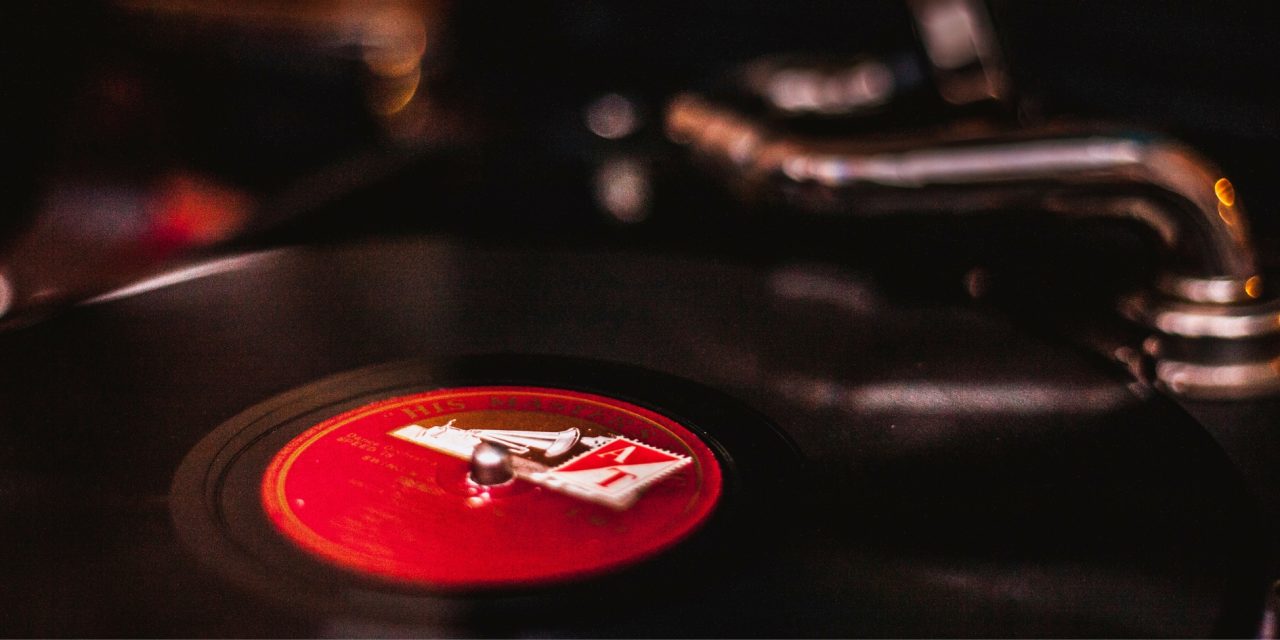
There’s a reason some tracks feel instantly warmer, softer, and more lived-in—even before the melody fully settles in. It’s not always the chords or the instruments doing the heavy lifting. Often, it’s the subtle layer of texture sitting quietly in the background, shaping how everything is perceived.
In lounge music especially, that detail makes a difference. The goal isn’t to sound old, but to feel timeless. And vinyl texture—when used with intention—bridges that gap beautifully. This piece breaks down how crackle, hiss, and saturation work together, not as noise, but as controlled elements that add depth, emotion, and polish to your mix.
The Three Elements Behind That Vinyl Feel
Vinyl texture is built on three core elements: crackle, hiss, and saturation. Each plays a distinct role, but together they create that familiar analog warmth.
Crackle sits in the 2–8kHz range, adding short, random pops that mimic dust and groove wear. Hiss fills the 5–15kHz range with a steady noise floor, giving your track a subtle high-end shimmer. Saturation ties everything together through harmonic distortion, adding body and cohesion.
Tools like iZotope Vinyl show how crackle often peaks around 4kHz intervals, adding texture without overwhelming the mix. Meanwhile, plugins like Soundtoys Decapitator help recreate the harmonic glue that gives vinyl its warmth.
The key is balance. Instead of stacking everything directly on your main channel, use parallel processing through aux sends. This keeps your mix clean while still delivering that lo-fi character.
Shaping Texture Without Losing Clarity
Getting vinyl texture right is less about adding more—and more about placing it carefully.
Crackle Characteristics
Crackle behaves like short bursts of broadband energy between 2–12kHz, appearing randomly about 0.5–3 times per second. It typically has a 2kHz base with harmonics around 5kHz.
When working in Ableton Live or Logic Pro, route crackle through an aux channel and apply a high-pass filter to remove low-end rumble. Then sculpt the mid-high frequencies so the texture sits lightly on top of your mix.
Subtle A/B testing helps here. Too much crackle, and it distracts. Too little, and it disappears.
Hiss Frequency Profile
Hiss follows a pink noise curve, typically peaking between 7–15kHz with a low noise floor around -60dB. Unlike tape hiss, which is more uniform, vinyl hiss has a natural slope that adds sparkle without harshness.
Using iZotope Vinyl, you can recreate this by blending mostly pink noise with a touch of white noise.
To keep things clean:
- Layer hiss in parallel
- Apply de-essing if it becomes sharp
- Monitor on headphones for high-frequency balance
This keeps your mix airy without raising the overall noise floor.
Saturation Harmonic Content
Saturation is where the magic really happens. Vinyl-style saturation introduces 2nd and 3rd harmonics, creating warmth and subtle edge without sounding digital.
Plugins like Soundtoys Decapitator (Vinyl mode) or FabFilter Saturn (Tape mode) emulate this behavior well.
A simple approach:
- Place saturation early in your chain (after EQ)
- Use soft clipping to control low-end buildup
- Blend with wet/dry for subtlety
The goal is cohesion, not distortion. When done right, your track feels fuller without sounding processed.
Conclusion
Vinyl texture isn’t about nostalgia for its own sake—it’s about adding character in a controlled, intentional way.
Crackle adds movement, hiss adds air, and saturation brings everything together. When balanced properly, these elements enhance your track without ever stepping into the spotlight.
For lounge production especially, that subtlety is everything. It’s what turns a clean mix into something that feels lived-in, warm, and emotionally connected.
Ever noticed how some tracks just feel warmer and more “alive” even before anything complex happens?Tap into that same subtle magic and refine your sound with more texture-driven insights, only on DLK Lounge.
