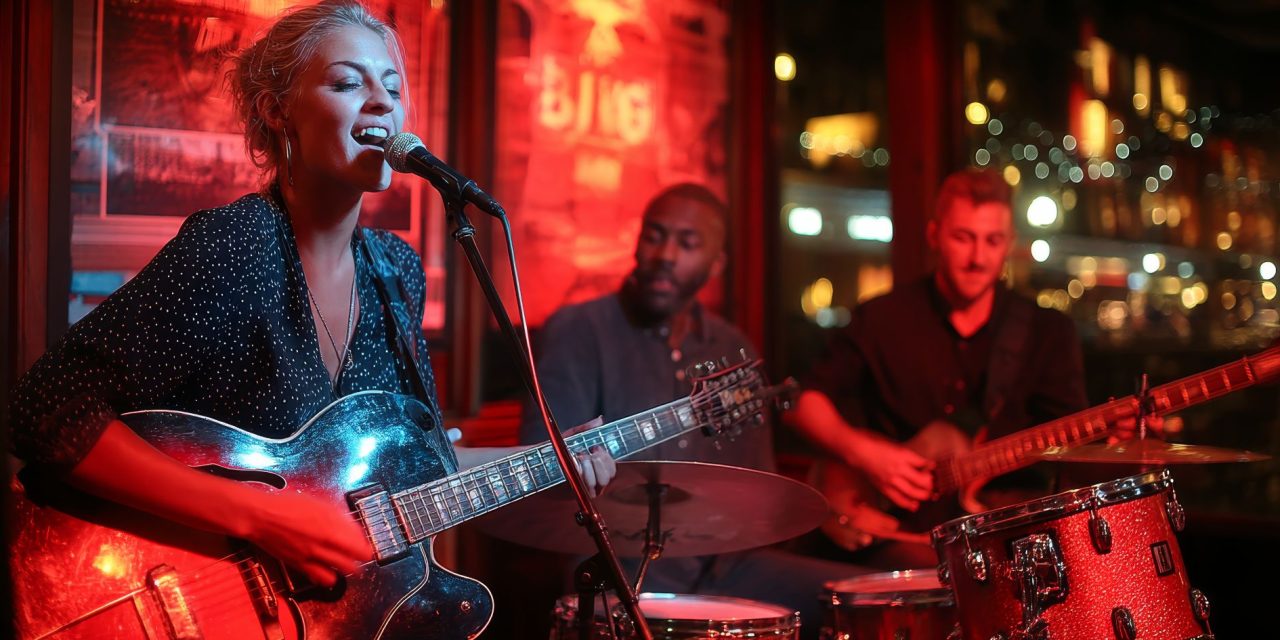
Some of the highest-paying lounge gigs are happening behind doors most musicians never even think to knock on.
Private clubs, rooftop lounges, member-only spaces, luxury hotels, and upscale social houses quietly hire lounge musicians year-round for curated events, cocktail nights, networking mixers, and exclusive member experiences. The catch? These venues rarely advertise publicly, which means the artists landing those gigs are usually the ones who understand how relationship-driven the private lounge world really is.
And yes, sometimes one smooth 90-minute jazz set can pay more than three chaotic bar gigs and a parking ticket combined.
Why Private Clubs Pay Better
Private clubs and member lounges care heavily about atmosphere. They are not simply hiring musicians to fill silence. They want performers who elevate the room without overpowering it.
That makes lounge artists especially valuable.
Venues like Soho House, boutique country clubs, cigar lounges, rooftop cocktail spaces, and members-only social clubs often pay between $500 and $1,200 per performance because the music becomes part of the overall luxury experience. These spaces usually host smaller crowds ranging from 100 to 300 guests, but expectations are significantly higher than standard bar gigs.
Polished delivery matters here. Smooth jazz, downtempo lounge sets, soft soul, bossa nova, ambient electronic blends, and sophisticated instrumental performances tend to perform especially well in these environments.
Club managers are looking for reliability, professionalism, visual presentation, and emotional control in the room. A musician who understands restraint often books faster than someone trying to perform like they are headlining a festival.
Finding Lounge Gig Opportunities in Private Circles
One of the biggest mistakes artists make is waiting for public gig listings that never come.
Private venues operate heavily through referrals, entertainment directors, member recommendations, and networking circles. Many opportunities appear quietly through industry associations, LinkedIn connections, hospitality groups, and private event coordinators.
Resources like the Club Managers Association directory, private hospitality networks, and entertainment-focused LinkedIn searches can help uncover valuable leads. Searching terms like “Club Entertainment Director,” “Member Events Coordinator,” or “Luxury Hospitality Events” often produces better results than generic music searches.
Attending hospitality mixers, upscale networking events, and lounge openings also matters more than many musicians realize. In these environments, conversations often open more doors than demos ever will.
Because in private lounge culture, people frequently book personalities before they book playlists.
Crafting a Pitch Luxury Venues Actually Notice
Upscale lounges expect musicians to present themselves like professionals, not random hopefuls sending blurry Instagram screenshots at 2am.
A strong lounge portfolio should feel clean, elegant, and focused. Instead of overwhelming venues with dozens of links, build a simple presentation showing:
- Professional performance photos
- Short live performance clips
- Previous venue experience
- Client testimonials
- Rebooking history
- Lounge-oriented setlists
- Contact information and availability
The goal is to make venue managers immediately picture you inside their space.
Language matters too. Terms like “member-focused atmosphere,” “upscale lounge experience,” “cocktail-hour ambiance,” and “guest-centered performance” resonate much more strongly than generic phrases about “bringing energy.”
For auditions and trial sets, lounge musicians usually benefit from balancing familiarity with sophistication. Standards, jazz-inspired instrumentals, tasteful electronic lounge textures, soft soul covers, and atmospheric grooves tend to work especially well in luxury settings.
And honestly, if your setlist feels like it could accidentally start a mosh pit, the country club may not call back.
Building Long-Term Lounge Residencies
The real value of private club gigs is consistency.
Many venues prefer working with musicians they already trust rather than constantly searching for new performers. Artists who show up prepared, read the room well, communicate professionally, and maintain the right atmosphere often turn one booking into recurring monthly residencies.
That consistency creates stronger income stability, deeper hospitality connections, and better long-term visibility in the lounge scene.
In many cases, the best lounge careers are built quietly through repeat relationships, not viral moments.
Conclusion
Private clubs and luxury lounges continue offering some of the strongest opportunities for lounge musicians in 2026. Through strategic networking, polished branding, professional pitching, and atmosphere-focused performances, artists can access higher-paying gigs and long-term residencies that standard venues rarely provide.
More importantly, these spaces reward musicians who understand emotional ambiance, subtle performance control, and sophisticated audience connection.
Because sometimes the most powerful set in the room is the one that makes people stay longer, talk softer, and order one more drink without even realizing why.
What type of lounge venue would fit your sound perfectly right now: rooftop cocktails, luxury hotels, private clubs, or intimate jazz lounges?
Stay connected to DLK Lounge for more lounge music career insights, residency strategies, and modern lounge culture discussions shaping the 2026 scene.
