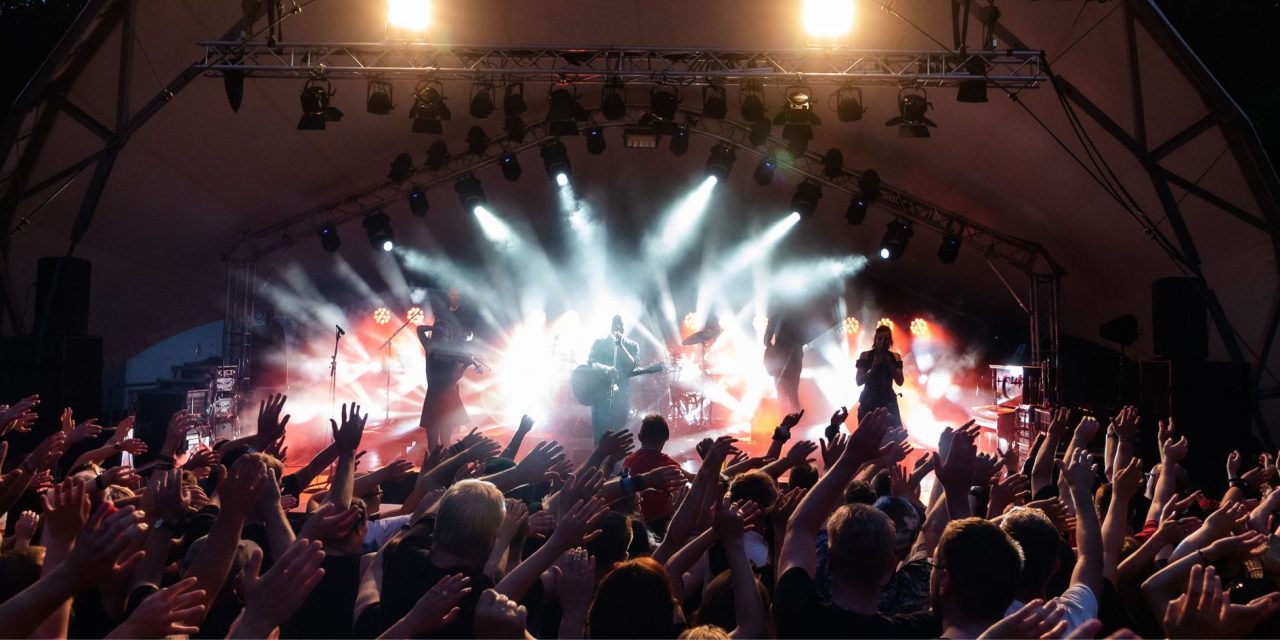
Somewhere along the way, music festivals started feeling less like music and more like survival missions. You pay a fortune for tickets, queue forever for overpriced food, and spend half the night dodging phones in the air just to catch a glimpse of the stage.
For many music lovers, the magic has started fading.
That is exactly why events like Lo-Fi Festival 2026 feel so refreshing. In a scene increasingly dominated by corporate giants, algorithm-driven lineups, and cookie-cutter experiences, smaller community-first beat events are bringing the focus back to what truly matters: connection, atmosphere, and the music itself.
From mental wellness and local culture to genuine artist-fan relationships, these intimate gatherings are proving that sometimes smaller really is better.
The Rise of Oversaturated Music Festivals
North American festivals grew significantly from 2019 to 2024, fueling a $12 billion industry. On the surface, that growth looks impressive. But behind the numbers lies a growing problem—oversaturation.
Massive festivals now dominate the landscape, often packing in tens of thousands of attendees while prioritizing scale over experience. Long lines, inflated prices, overcrowding, and generic vibes have become common complaints.
As a result, many fans are actively seeking alternatives.
Smaller beat events and community-driven festivals are becoming more attractive because they offer something bigger events often lack: genuine connection. Instead of overwhelming crowds and commercial overload, these spaces emphasize music discovery, shared experiences, and intentional atmospheres.
This shift is especially noticeable in scenes built around lo-fi, chill beats, and underground sounds. These genres thrive in intimate settings where listeners can truly engage with the music rather than simply consume it.
Lo-Fi Festival 2026 reflects this growing movement. It offers an alternative to mainstream festival fatigue by focusing on atmosphere, authenticity, and community.
Lo-Fi Music Key Statistics
| Metric | Value |
| Lofi Girl Subscribers | 13.0M |
| Live Session Viewers | 12.5K |
| Project AER Peak Monthly Listeners | 2.0M |
| Project AER Current Monthly Listeners | 420K |
| Pasoori YouTube Streams | 115M |
| Pasoori Spotify Streams | 44M |
These numbers highlight just how powerful lo-fi has become globally.
Channels like Lofi Girl have transformed lo-fi into a cultural movement, attracting millions of listeners seeking focus, calm, and emotional comfort. The genre has become deeply tied to productivity, mental wellness, and relaxation.
Artists such as Project AER also reflect how rapidly lo-fi can grow. Viral moments create huge spikes in listenership, while consistency helps sustain long-term engagement.
Platforms like YouTube remain central to the genre’s growth because they combine sound with immersive visuals and atmosphere. This connection between music and mood is a huge reason why lo-fi translates so naturally into community-driven live events.
Corporate Giants Dominate the Scene
Corporate control has changed the festival experience dramatically.
Large companies now hold significant power across the festival industry, turning many events into highly commercialized operations. Food markups, sponsor-heavy branding, and rising ticket costs increasingly shape the attendee experience.
Music often feels secondary.
Fans are now expected to pay premium prices for basic necessities, from drinks to meals to parking. Sponsor logos dominate stages, and many lineups feel more designed around mass appeal than artistic identity.
This creates several problems.
- Rising food and beverage prices make festivals less accessible
- Heavy sponsorship reduces authenticity
- Smaller promoters struggle to compete
- Artist pay pressure affects lineup diversity
The result is a festival culture that can feel more corporate than creative.
That is where smaller events stand out.
Community-first festivals like Lo-Fi Festival 2026 prioritize atmosphere and artistic integrity over large-scale monetization. These spaces allow beatmakers, producers, and DJs to connect with audiences in ways that feel far more authentic.
Instead of giant corporate spectacles, fans get immersive environments centered around music and connection.
Loss of Authentic Experiences
Perhaps the biggest loss in today’s festival culture is authenticity.
Many attendees no longer feel deeply connected to the artists, the crowd, or the experience itself. Instead of immersive performances, festivals increasingly revolve around social media moments, phone recordings, and surface-level engagement.
Too often, people leave with more videos than memories.
Fans regularly point to several frustrations.
- Shortened set times reduce immersion
- Meet-and-greets are increasingly rare
- Algorithm-driven lineups feel repetitive
- Phone-heavy crowds reduce shared energy
- Community feels weaker than before
This shift has changed how festivals feel emotionally. The sense of discovery, spontaneity, and connection that once defined live music has been diluted in many large-scale events.
Small beat events offer a different experience.
Lo-Fi Festival 2026 embraces workshops, beat battles, DJ sets, and community interaction to rebuild those authentic connections. Instead of chasing spectacle, it focuses on creating meaningful moments.
That makes a huge difference.
The result is a more relaxed environment where fans can actually engage—with the music, the artists, and each other.
Conclusion
The festival industry is bigger than ever, but bigger does not always mean better.
As large-scale events become increasingly commercial and oversaturated, more music lovers are turning toward smaller, community-first experiences that feel personal, intentional, and authentic.
That is exactly why events like Lo-Fi Festival 2026 matter.
They offer an alternative built on connection, creativity, and genuine love for music. In a culture increasingly shaped by algorithms and corporate influence, these spaces preserve the human side of music.
Sometimes the best music experiences are not the loudest or biggest. They are the ones that make you feel something real.
Will intimate, community-first events become the future of live music?
Stay tuned with DLK Lounge as we continue exploring the underground scenes, lo-fi culture, and music movements redefining how we experience sound.
