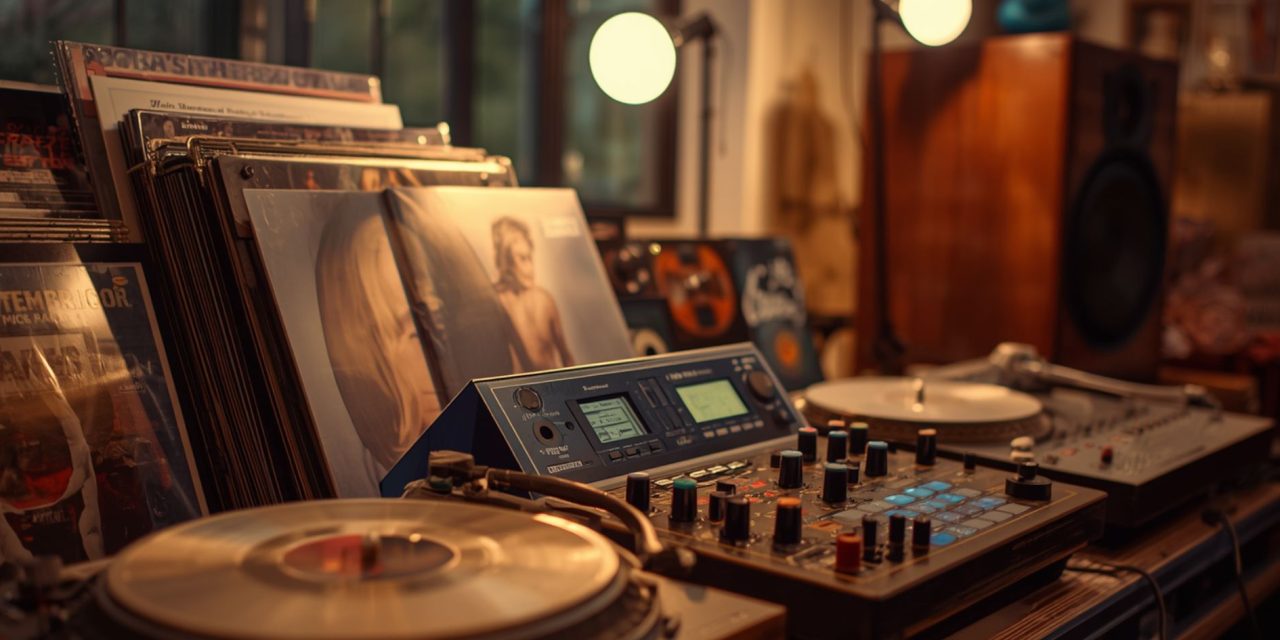
There was a time when musicians spent fortunes trying to eliminate hiss, crackle, and distortion. Fast forward a few decades, and producers are paying plugins to put them back. Funny how yesterday’s flaws became today’s secret ingredient.
That shift says something fascinating about how we experience music. Whether it’s a spinning jazz record, a lo-fi study playlist, or a chillhop stream, imperfect sound often feels surprisingly comforting. Behind that warmth lies a blend of psychology, acoustics, and emotion that continues to shape how we listen in the streaming era.
The Appeal of Imperfection
The popularity of lo-fi music suggests listeners aren’t always chasing perfect sound. Streaming figures point to remarkable growth in lo-fi hip-hop since 2019, proving that vinyl crackle, tape hiss, and subtle background noise have become part of the listening experience rather than distractions.
Research also indicates that many people feel calmer when gentle ambient noise accompanies everyday activities. Those tiny imperfections recreate the organic qualities once produced naturally by analog equipment, giving modern recordings a softer and more familiar character.
The success of continuous lo-fi streams reinforces that idea. Millions tune in for mellow instrumentals wrapped in delicate surface noise, creating dependable soundtracks for studying, reading, or simply slowing down after a busy day.
Renewed interest in vinyl tells a similar story. Reissues of classic albums continue attracting collectors who appreciate the grain, texture, and subtle inconsistencies that digital formats often remove. Even records with noticeable surface noise can command higher prices because many listeners view those imperfections as part of the experience rather than defects.
The Science Behind Warmth and Nostalgia
Our attraction to imperfect sound isn’t driven by nostalgia alone. Research suggests subtle harmonic distortion can trigger emotional responses that make music feel warmer and more personal than perfectly clean recordings.
Analog equipment naturally introduces tiny variations during recording and playback. Tape machines, vinyl grooves, and vintage circuitry all leave behind sonic fingerprints that influence how our brains interpret sound. Instead of hearing those changes as mistakes, listeners often perceive them as depth and character.
The same principle explains the enduring appeal of lo-fi production. Gentle tape hiss, soft crackle, and mild saturation imitate the unpredictable qualities of real-world sound. Those textures resemble the imperfections found in everyday life, making music feel less mechanical and more human.
Studies into auditory perception also suggest that low levels of background noise and harmonic coloration can encourage relaxation during listening sessions. It helps explain why vintage recordings, chillhop playlists, and analog-inspired productions continue to resonate across generations.
Why Flawed Audio Feels More Authentic
One study published in the Journal of Consumer Psychology found that participants consistently rated lightly distorted audio as more authentic than perfectly clean recordings. Researchers compared responses from listeners hearing vinyl playback against identical digital versions, then measured their emotional reactions.
Vinyl listeners reported stronger feelings of comfort, connection, and relaxation. Higher authenticity ratings suggested that degraded media carries emotional qualities many people subconsciously associate with sincerity and lived experience.
Participants frequently described vinyl playback as more immersive. Tape hiss, grain, and subtle imperfections created an atmosphere that reminded them of memories, familiar places, or meaningful moments tied to music.
Perhaps most interestingly, those responses appeared across different ages and musical preferences. Emotional authenticity seemed less connected to technical perfection than to the character and texture carried within the recording itself.
Vinyl’s Signature Sound
Vinyl doesn’t simply store music differently. It shapes how music is heard.
Every record introduces measurable characteristics, including surface noise, slight wow and flutter, and the frequency adjustments created through RIAA equalization. Together, these elements produce what listeners commonly describe as analog warmth.
Unlike digital playback, where audio remains virtually identical every time, vinyl depends on physical movement. A stylus traces microscopic grooves, translating them into electrical signals while preserving subtle variations unique to the medium.
Those mechanical qualities create a listening experience that feels textured and alive. Rather than removing every imperfection, vinyl embraces them as part of its identity.
Crackle, Hiss, and Harmonic Distortion
Quality turntables and cartridges reproduce more than the music itself. They also generate gentle harmonic distortion that adds richness without overwhelming the mix. Many listeners interpret these second-order harmonics as warmth rather than coloration.
Surface crackle and soft hiss occupy specific parts of the frequency spectrum, adding delicate movement behind the music. Instead of competing with the performance, they often enhance its atmosphere.
Accessible turntables have made analog listening easier than ever, allowing new audiences to experience these sonic qualities without investing in expensive vintage systems.
Engineers continue studying how frequency response, harmonic distortion, and surface noise interact. Their findings reinforce what many listeners already know instinctively: a little imperfection often creates a more engaging listening experience.
Lo-Fi’s Modern Reinvention
Today’s producers no longer treat analog artifacts as problems to remove. Instead, they recreate them deliberately using tools that emulate tape machines, vinyl records, and vintage hardware.
Plugins such as iZotope Vinyl and Chow Tape Model introduce controlled hiss, flutter, saturation, and mechanical noise directly into modern productions. What once resulted from technical limitations has become a creative choice.
This philosophy sits at the heart of contemporary lo-fi, chillhop, and many lounge-inspired playlists. Gentle imperfections soften digital precision, giving tracks a relaxed atmosphere that feels nostalgic without sounding dated.
Rather than chasing flawless audio, producers increasingly focus on emotional connection. Vinyl crackle, tape hiss, and subtle distortion remind us that music doesn’t always have to be spotless to feel beautiful. Sometimes the warmth comes from the very imperfections we once tried so hard to erase.
Conclusion
Perfect sound impresses the ears. Imperfect sound often reaches somewhere deeper.
From classic jazz recordings and vinyl collections to today’s lo-fi streams and chill playlists, subtle imperfections continue to shape how we experience music. They add texture, evoke memory, and create a sense of closeness that pristine digital audio sometimes struggles to match. As listening habits evolve, one thing remains remarkably consistent: warmth isn’t always about fidelity. Sometimes it’s about feeling.
Do you enjoy the polished clarity of modern streaming, or do you find yourself drawn to the warmth of vinyl crackle and lo-fi textures? We’d love to hear what kind of sound keeps you coming back on DLK Lounge.
