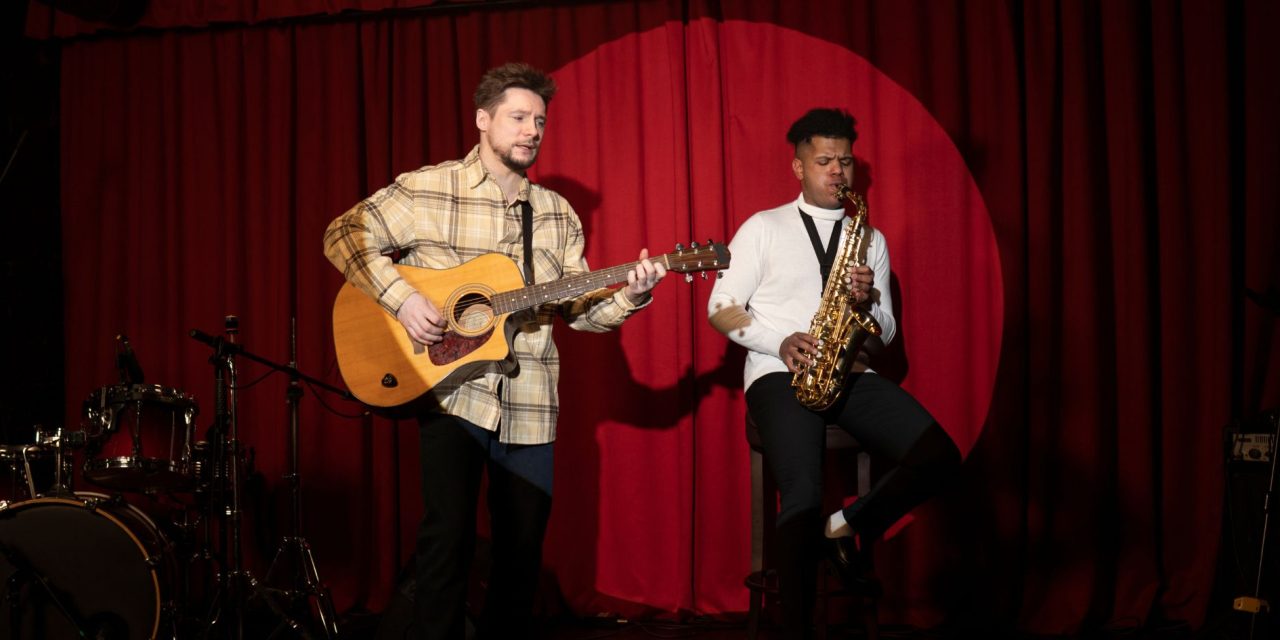
Lounge music has always had room for collaboration. Its relaxed rhythms, atmospheric textures, and melodic restraint give artists plenty of space to shape a shared sound.
Collaborations can also introduce artists to new listeners while creating connections between producers, musicians, and fans. For independent lounge artists, these partnerships can turn individual tracks into part of a much larger musical community.
Collaborations That Expand the Lounge Sound
Sleepy Fish’s collaborations with artists such as Kupla and Middle School demonstrate how shared production can create distinctive atmospheric music.
Their work connects soft beats, melodic textures, and cinematic arrangements across the broader chill and downtempo landscape. These qualities also translate naturally into lounge music, where subtle production choices often carry as much weight as the rhythm itself.
Key collaborations include:
- Sleepy Fish x Kupla: A partnership blending soft beats with cinematic textures and intimate melodies.
- Middle School remix: A reinterpretation that introduced the music to another audience while retaining its relaxed character.
- Chillhop Essentials: A compilation appearance connecting the project with orchestral chill and hybrid sounds.
- Independent releases: Collaborations with downtempo artists that continue expanding the creative network around atmospheric music.
These partnerships show why lounge music collaborations can be so effective. Artists do not need to compete for attention when the music itself leaves room for different creative voices.
A piano phrase, restrained bassline, gentle percussion pattern, or carefully placed atmospheric effect can completely change the character of a track.
Building a Community Around the Music
The relationship between lounge artists and their audiences does not have to end when a song is released.
Online communities can give listeners opportunities to discuss arrangements, exchange creative ideas, and understand how atmospheric tracks are created. Discord groups, Patreon communities, and Bandcamp discussions can turn passive listeners into active participants.
For lounge musicians, these spaces can become extensions of the music itself.
Listeners might discuss piano loops, guitar parts, percussion choices, or the textures that make a track feel intimate. Producers can share ideas about arrangement, reverb, dynamics, and creating space within a mix.
That interaction strengthens the sense of community surrounding relaxed, immersive music.
Patreon and Bandcamp Engagement
Direct platforms such as Patreon and Bandcamp can also bring artists closer to their listeners.
Sharing stems, production insights, or behind-the-scenes material gives supporters a glimpse into the creative process. It can also encourage aspiring musicians to experiment with similar techniques.
Bandcamp comments offer another form of feedback. Listeners often describe atmospheric music through feelings, memories, and settings rather than technical terms.
That response matters for lounge artists because the genre often depends on creating a particular mood and environment.
A track may remind someone of a quiet evening, a late-night drive, a hotel lounge, or an unhurried conversation. Those associations become part of the music’s identity.
What Collaborations Can Teach Lounge Artists
Collaborating with another musician can change more than a track’s sound.
It can introduce different approaches to melody, rhythm, arrangement, and atmosphere. An artist accustomed to minimal percussion might discover new possibilities through a producer who builds around intricate rhythmic patterns.
The same applies to harmonic choices and sound design.
A collaborator might bring a jazz-inspired chord progression, warm electric piano, subtle guitar textures, or cinematic pads that completely reshape the listening experience.
For lounge musicians, these exchanges can help prevent atmospheric music from becoming predictable.
The goal is not to make every collaboration sound dramatically different. Sometimes the strongest result comes from combining familiar elements unexpectedly.
Insights From Kupla
In a producer interview, Kupla described working with Sleepy Fish as bringing cinematic intimacy to their collaborative tracks.
That idea captures an important quality of lounge music. The strongest atmospheric productions can feel expansive without becoming overwhelming.
Subtle percussion, careful panning, restrained dynamics, and spacious arrangements allow listeners to settle into the music rather than simply consume it.
These qualities make collaboration particularly valuable for lounge artists. Two producers can bring different musical perspectives while preserving the calm, immersive character that draws listeners to the genre.
Conclusion
Lounge music collaborations are about more than combining two names on a track.
They create opportunities for artists to exchange ideas, expand their sound, and build communities around music that values atmosphere and connection. The right partnership can introduce new textures while keeping the listening experience effortless.
For lounge musicians, that balance can turn a simple collaboration into something listeners return to again and again.
Who would you love to hear collaborate on a lounge track, and what kind of sound would you want them to create together? Share your pick and find more stories about the music, artists, and culture shaping the lounge scene at DLK Lounge.
