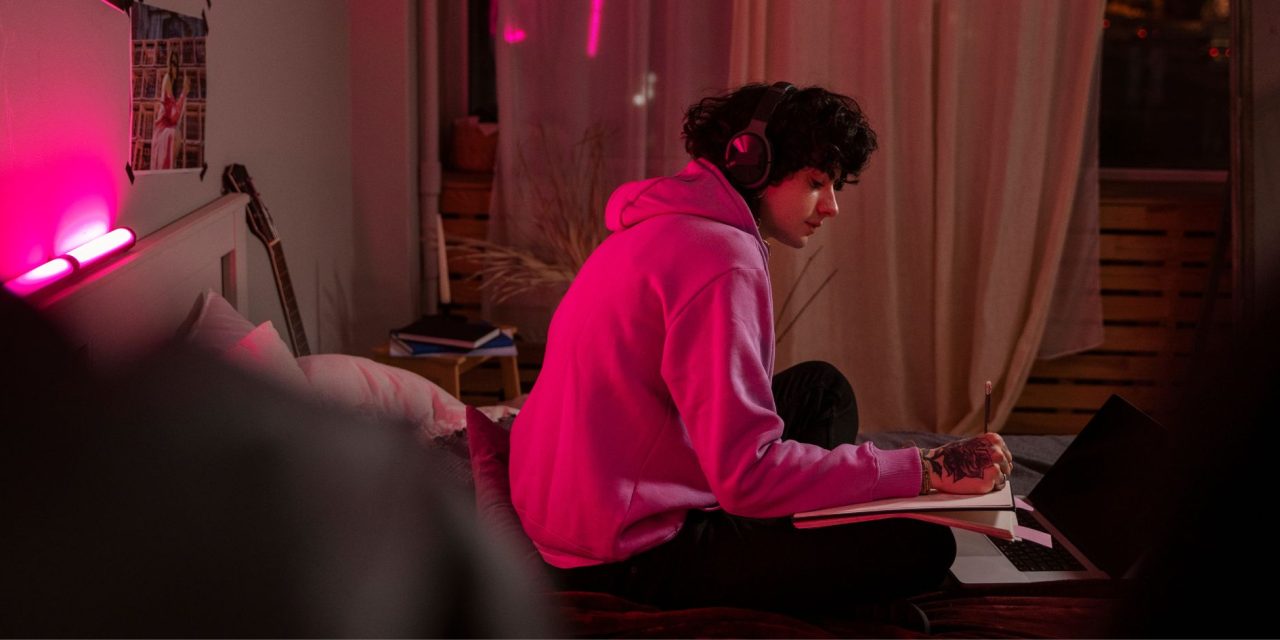
Rainy windows, glowing neon, houseplants, soft colors, and a beat playing quietly in the background. Few music styles have such an instantly recognizable visual world.
The lo-fi aesthetic has grown beyond sound into a lifestyle and self-expression. Listeners now connect particular visuals, moods, playlists, and daily routines with the music they enjoy.
How Visuals Became Part of Lo-Fi’s Identity
Lo-fi’s familiar visual language often combines rainy windows, neon lights, bedrooms, plants, and nostalgic urban scenes. These cues can communicate a mood before listeners even press play.
The combination of soft lighting, muted colors, and urban melancholy creates an atmosphere associated with relaxation, focus, and nostalgia.
Album artwork and playlist covers reinforce these associations. A rainy window can suggest quiet reflection, while neon lighting can add a slightly nostalgic or futuristic feeling.
| Visual Element | Mood | Common Use |
| Rainy windows | Calm, melancholy | Playlist covers |
| Neon lights | Nostalgic, futuristic | Album artwork |
| Houseplants | Natural, peaceful | Lifestyle imagery |
| Warm colors | Cozy, relaxed | Social media visuals |
This consistency makes the lo-fi aesthetic easy to recognize across Spotify, YouTube, Instagram, and other platforms.
Listeners can also use these visual cues to create playlists that match particular routines. A mellow beat paired with rainy imagery immediately suggests a quiet study session or late-night listening.
From Lofi Girl to Vaporwave Nostalgia
Few images have become as closely associated with lo-fi music as the anime-inspired Lofi Girl.
The character emerged from ChilledCow’s popular YouTube streams, where a student studying beside a rainy window became a visual shorthand for continuous lo-fi listening.
The imagery also connects with older vaporwave aesthetics. Pastel colors, retro technology, visual glitches, and nostalgic references helped create a broader visual language around internet-based music culture.
That connection gave lo-fi a recognizable identity that could extend beyond individual songs.
Listeners could wear the imagery, share it online, use it for playlist covers, or simply associate it with a particular state of mind.
Playlist Curation Becomes Self-Expression
The lo-fi aesthetic also influences how people build and share playlists.
Instead of simply collecting songs they enjoy, listeners often organize tracks around specific moods or routines. A playlist might be designed for studying, working, relaxing, reading, or winding down at night.
A simple curation process can look like this:
- Choose a mood: Decide whether the playlist should feel calm, nostalgic, focused, or dreamy.
- Select tracks: Combine lo-fi hip-hop, jazz-influenced beats, chillhop, or related styles.
- Match the visuals: Choose artwork that reflects the playlist’s emotional atmosphere.
- Share the result: Post it through Spotify, Instagram, TikTok, or other platforms.
The result is more than a collection of songs. It becomes a small representation of the listener’s personality and lifestyle.
That may explain why lo-fi culture feels so personal. The music creates the mood, while the visuals and playlists allow listeners to make that mood their own.
Conclusion
The lo-fi aesthetic shows how music can become an entire visual and cultural language.
Rainy windows, anime imagery, vintage textures, nostalgic colors, and carefully curated playlists all contribute to an identity listeners can recognize instantly.
Lo-fi may have started with a sound, but its lasting appeal comes from everything surrounding it.
What makes lo-fi instantly recognizable to you—the music, the rainy-window visuals, the nostalgia, or the whole mood together? Find more stories about music, culture, and atmosphere at DLK Lounge.
