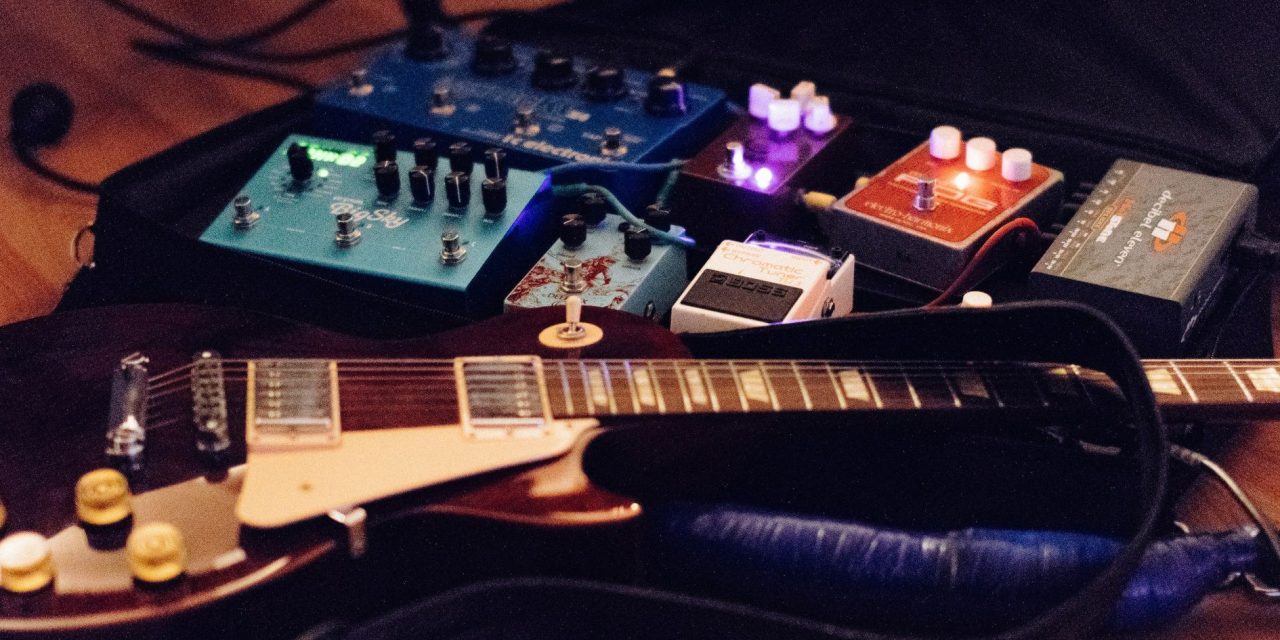
Nothing kills the mood faster than setting up for a smooth lounge set and discovering your favourite pedal has stopped working. Your guitar might be ready to sing, but your cables apparently have other plans.
Transporting gear safely helps musicians avoid preventable damage, unexpected repairs, and frustrating interruptions. For lounge guitarists, bassists, and producers, reliable equipment matters because subtle melodies, warm tones, and clean arrangements leave little room for distracting technical problems.
Case Comparison for Pedalboards and Gear
The right case depends on your equipment, travel frequency, and level of protection needed. Padded bags are convenient for lighter setups, while rigid cases offer better protection against impacts during frequent travel.
| Case type | Protection | Best for |
| Padded pedalboard bag | Basic to moderate | Local gigs and light setups |
| Rigid backpack-style case | Moderate to high | Regular travel and busy venues |
| Molded hard case | High | Frequent transport and valuable gear |
| Heavy-duty equipment case | High, depending on design | Larger rigs and demanding touring schedules |
Choose a case that fits your pedalboard snugly without putting pressure on switches, knobs, or connectors. Padding should prevent excessive movement, while compartments help keep cables and power supplies organised.
Silica gel packs can help manage moisture inside storage cases, particularly in humid conditions. However, avoid sealing damp equipment inside airtight bags, as trapped moisture can encourage corrosion.
Cable management matters too. Coil cables loosely using the over-under technique to reduce twisting and strain. Label both ends when you have several similar cables, making setup faster when you’re preparing for a lounge performance.
Pre-Gig and Humidity Protection Tips
Before leaving for a gig, inspect your equipment for loose connections, damaged cables, dusty controls, and signs of moisture. A quick check at home is much better than troubleshooting a silent pedal while the audience waits.
Keep equipment away from direct sunlight, rain, and extreme temperatures. Allow cold gear to reach room temperature before powering it on, especially if condensation may have formed during transport.
Use this simple checklist before each performance:
- Inspect cables, plugs, and connectors for damage.
- Check pedals for loose knobs, switches, or unusual noises.
- Confirm power supply voltage, polarity, and current requirements.
- Test the complete signal chain before leaving home.
- Coil cables carefully and secure them for transport.
- Wipe equipment with a soft, dry microfiber cloth.
- Store gear in a dry, ventilated environment after the gig.
For stubborn dirt, follow the manufacturer’s cleaning instructions rather than applying alcohol directly to pedal surfaces or electronic components. Use compressed air cautiously and only where appropriate.
Power supplies also deserve attention. Compatible, reliable power helps prevent avoidable equipment problems, while isolated outputs can reduce noise in certain pedal setups. Always check your equipment’s requirements before connecting anything.
These habits are especially useful for lounge musicians, whose performances often depend on subtle effects, clean guitar tones, and warm bass lines. A noisy connection or failing pedal can distract from the relaxed atmosphere the music is meant to create.
Conclusion
Protecting your gear is part of protecting your performance. The right cases, careful cable storage, sensible humidity control, and simple pre-gig checks can reduce preventable damage and make every setup less stressful.
For lounge musicians, dependable equipment means more time creating the smooth sounds people came to enjoy and less time chasing mysterious buzzes backstage. Your audience should remember the music, not the moment your pedalboard decided to take the evening off.
Ever had a gig start going wrong because one tiny piece of gear chose the worst possible moment to fail? DLK Lounge celebrates the musicians, sounds, and behind-the-scenes details that help keep the music flowing when the spotlight comes on.
