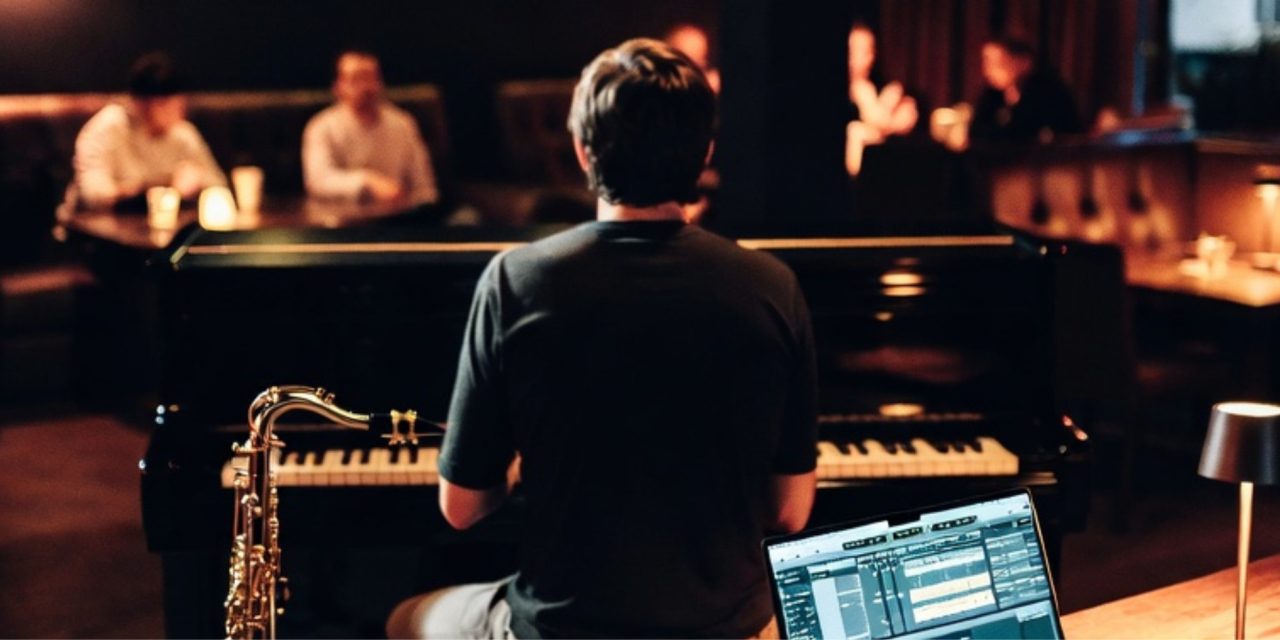
The moment you get booked for a lounge set, your perspective shifts. You stop thinking about making “good tracks” and start thinking about how your music actually sits in a room. How it moves around conversations, fills space without crowding it, and holds attention without asking for it.
That’s where great lounge music reveals itself. Walk into a well-curated set and nothing feels forced. The chords land gently, textures drift instead of stack, and the whole atmosphere feels steady without being static.
That control is intentional. Lounge musicians aren’t just selecting sounds—they’re shaping how those sounds behave over time. It’s less about adding more and more about knowing exactly when to hold back.
Shaping Atmosphere with Musical Choices
At the core of lounge music is a simple idea: everything must serve the room. That starts with choosing sounds that feel natural and unobtrusive, then placing them carefully within the mix.
Ambient elements—like soft environmental textures or subtle background noise—add a sense of realism, but they only work when treated musically. They need timing, balance, and intention, just like chords or melodies. Platforms like Ableton Live help structure these layers, but the real skill is deciding how much is enough.
Tempo plays a quiet but important role. Staying within a relaxed range allows phrasing to feel unforced. Keys, guitars, or Rhodes-style tones can stretch out, creating emotion without rushing the listener. This is where lounge artists separate themselves—by letting ideas unfold instead of pushing them forward.
Layering with Control, Not Excess
Strong lounge tracks rarely feel busy. Instead, they rely on a few well-placed elements that move subtly over time.
A low, steady harmonic base sets the tone. Light textures—vinyl noise, soft percussion, or distant tones—add motion without distraction. Effects like Valhalla Shimmer introduce space, but only in small amounts to avoid washing everything out.
What matters most is touch. Slight volume shifts, gentle transitions, and evolving layers keep the track alive. Even repeated sections feel different because of these small changes. It’s the same instinct a live musician uses—adjusting feel in the moment rather than playing everything at once.
Conclusion
Lounge music is built on discipline. Every sound earns its place, and every choice supports the overall atmosphere.
For artists, that means thinking less about adding and more about shaping. When the balance is right, the music doesn’t just sit in the background—it quietly defines the space around it.
When a lounge track really hits, what pulls you in first—the atmosphere or the musicianship behind it?Drop your take in the comments and stay locked into deeper lounge vibes only at DLK Lounge!
