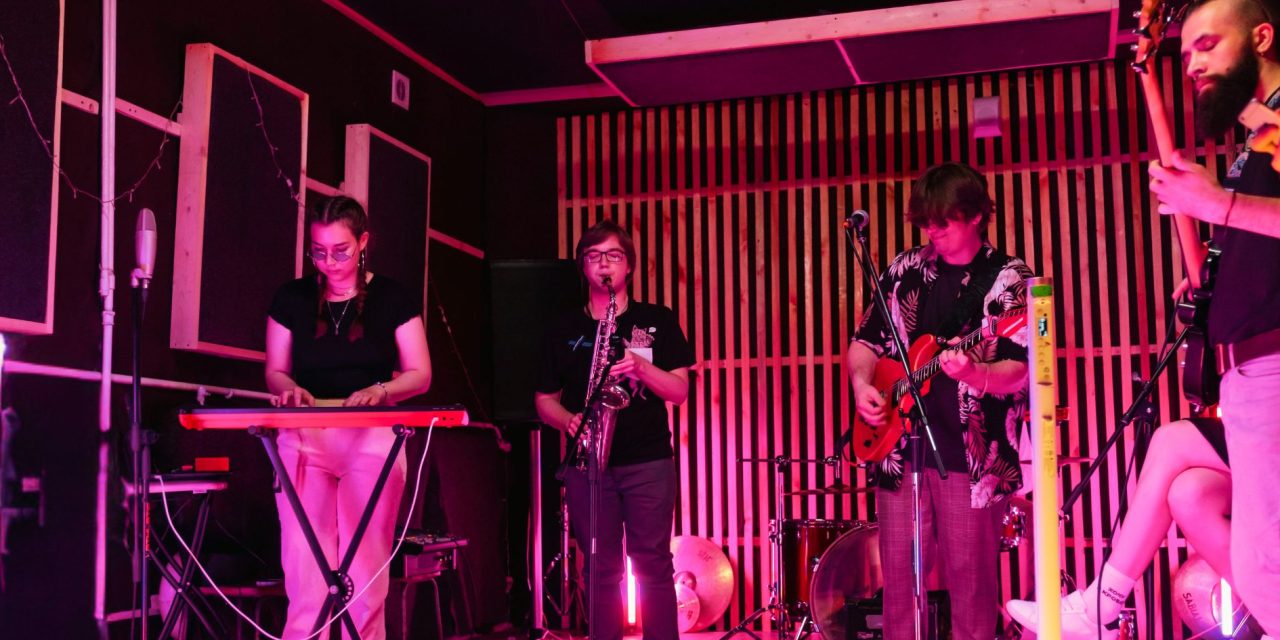
The best lounge music loops don’t demand attention. They simply create a groove that makes you want to stay a little longer.
Whether you’re building a backing track, practicing an instrument, or creating music for a relaxed setting, the right loop can make all the difference. AI tools can help, but getting useful results starts with knowing what kind of atmosphere you want.
A clear prompt gives the music somewhere to go. Instead of asking for something vaguely “chill,” you can describe the sound, instruments, mood, and groove you actually have in mind.
Building the Right Lounge Music Loop
Creating lounge music loops starts with giving your idea a clear identity. Think about the kind of room, moment, or feeling you want the music to create.
Tempo and key provide a useful foundation, but they don’t have to become the entire conversation. Something around 82 BPM in C major could create a relaxed starting point, especially when paired with Rhodes piano, upright bass, and soft hi-hats.
A prompt such as “82 BPM in C major, chillhop groove with Rhodes piano, upright bass, and soft hi-hats, dreamy vibe” gives an AI music tool several useful clues without becoming overly complicated.
You can then adjust the idea depending on how you want the lounge track to feel. Try a warmer sound for a quiet evening, or introduce slightly brighter textures for a relaxed daytime setting.
For guitar or piano practice, specifying the key can also make the loop more useful. F# minor at 82 BPM, for example, could provide a comfortable foundation for exploring melodies or improvisation.
The same idea applies to tempo. Slower tempos can support warm, spacious loops, while slightly faster grooves can give lounge music more movement without losing its relaxed character.
| Instrument | Useful Tempo Range | Common Keys |
| Guitar | 60–80 BPM warmups, 90–120 BPM jazz | E, A, D, G, C |
| Piano | 90–120 BPM jazz, 110–140 BPM grooves | C, F, Bb, Eb, Ab |
| Drum/Bass | 60–80 BPM chill, 110–140 BPM grooves | Match the soloist |
The key is flexibility. These ranges are starting points, not rules carved into a very serious musical stone.
Try variations such as “75 BPM G major lounge loop, acoustic guitar and light drums” or “92 BPM C major nu jazz, Rhodes and brushed snare.” You can also explore “68 BPM Eb major ambient loop, synth pads and subtle bass” or “120 BPM D major bossa nova, nylon guitar and shaker.”
Choosing Sounds That Give Lounge Loops Their Character
Once the basic groove is established, the instruments and mood help determine whether the result actually feels like lounge music.
Lounge arrangements often benefit from sounds that leave plenty of breathing room. Vibraphone, double bass, Rhodes piano, brushed drums, soft percussion, and mellow guitar can create warmth without crowding the arrangement.
That’s why specific descriptions tend to work better than simply typing “make it chill.” Words such as relaxed swing, vinyl crackle, airy pads, or soft percussion give the loop a clearer personality.
You can borrow ideas from nearby styles too. Chillhop can bring vinyl texture and boom-bap rhythms, while nu jazz can introduce Rhodes, upright bass, and brushed drums. Bossa nova can add nylon guitar and shaker patterns without disturbing the relaxed mood.
Downtempo loops can lean toward deep bass and airy textures. Lo-fi can introduce tape hiss and softened drums. Ambient sounds can create more space through drones, field recordings, and long reverb tails.
For a more recognizably lounge-focused direction, try combinations such as vibraphone, double bass, relaxed swing, and intimate atmosphere. Those details tell the generator much more than simply asking for “good lounge music.”
Mood words can then finish the picture. Nostalgic, dreamy, intimate, and spacey can steer the same musical ingredients toward very different experiences.
For example, “dreamy nu jazz, 95 BPM, Rhodes and brushed drums” suggests something different from “nostalgic lounge, 78 BPM, vibraphone, double bass, and soft percussion.”
Conclusion
Great lounge music loops don’t need endless layers or complicated instructions. They need a clear mood, a comfortable groove, and sounds that leave enough room for the music to breathe.
AI can help you explore those ideas quickly, but the creative direction still comes from you. Start with the atmosphere, choose sounds that support it, then adjust the tempo and key around your purpose.
Whether you’re practicing, improvising, writing, or simply creating a relaxed listening experience, a well-shaped loop can become much more than background music.
What kind of lounge loop would you keep playing long after you stopped calling it a practice track?
DLK Lounge brings together relaxed grooves, atmospheric sounds, and musical ideas made for those moments when you just want the room to feel right.
