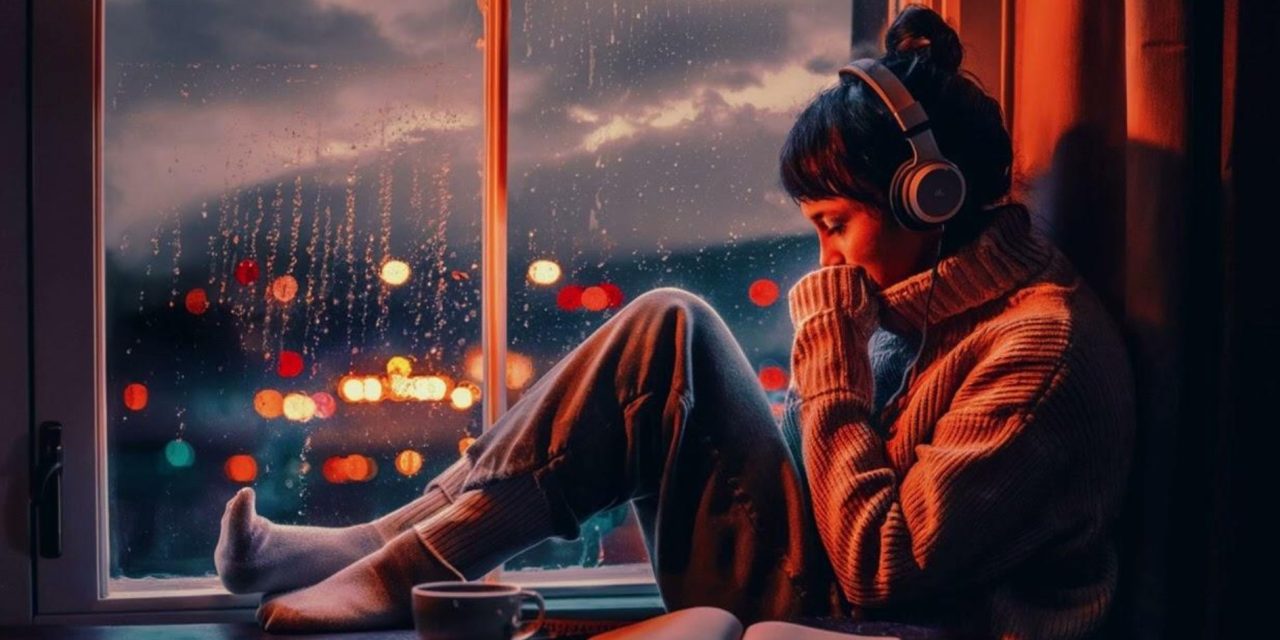
A rainy window, a warm drink, a few plants, and mellow beats playing in the background. On social media, even an ordinary study session can look like a carefully curated scene.
That familiar aesthetic is part of lo-fi’s appeal online. TikTok and Instagram have helped turn private listening habits into shareable routines, where music, visuals, and everyday activities communicate a particular mood and identity.
Lo-fi is no longer just something people play while studying. For many listeners, it has become part of how they present their routines, express their tastes, and connect with others who appreciate the same relaxed atmosphere.
TikTok Study Sessions and Aesthetic Feeds
The familiar lo-fi study video has developed its own visual language. Rain streaks across a window, a laptop sits beside a plant, and mellow beats accompany a caption about deadlines or late-night studying.
These recurring details make the content instantly recognizable. Viewers know the mood before they even identify the track, while creators can adapt the format to their own routines and personalities.
The appeal lies in balancing familiarity with individuality. A consistent aesthetic gives viewers something recognizable, but personal details make each post feel connected to a real person. A favorite notebook, a particular coffee mug, or an untidy desk can make the scene feel more authentic than a perfectly staged setup.
Music helps hold these elements together. Lo-fi hip-hop, vinyl crackle, soft piano melodies and mellow instrumental loops establish a relaxed atmosphere without competing with the video’s message. The soundtrack becomes part of the visual identity rather than a decorative extra.
Creators can build on this format through simple, relatable clips:
- Film a short loop of typing, reading, or writing beside a rainy window.
- Add captions such as finals week or late-night study session to establish the context.
- Choose mellow lo-fi beats that complement the scene without overwhelming it.
- Include personal touches, such as plants, notebooks, desk lamps, or familiar surroundings.
The format also travels easily between TikTok, Instagram Reels, and YouTube Shorts. Creators can adapt the same footage for different platforms, helping their aesthetic reach audiences beyond a single feed.
Over time, repeated exposure can turn these visual and musical choices into recognizable lifestyle signals. A lo-fi soundtrack might suggest concentration, comfort, nostalgia, or a preference for slower routines. Sharing that content lets viewers express those associations without having to explain them.
The influence extends beyond studying, too. Similar sounds and visuals accompany remote work, journaling, reading, gaming, and evening wind-down routines. Lo-fi becomes a flexible soundtrack for everyday life, connecting different activities through a shared atmosphere.
This is where social media’s cultural influence becomes particularly visible. Users are not simply sharing music they enjoy; they are using sound and imagery to communicate how they want their everyday lives to feel. The lo-fi aesthetic offers a common language for that expression, bringing together people who might otherwise have little in common.
Conclusion
Social media has helped lo-fi grow beyond a listening preference into a recognizable lifestyle aesthetic. Repeated visuals, familiar sounds, and personal routines make the genre easy to share, adapt, and incorporate into digital identities.
The result is a culture where music accompanies not only what people do, but also how they present themselves online. Lo-fi’s appeal lies partly in that combination of sound, atmosphere, and belonging.
Why are so many people turning everyday routines into carefully curated lo-fi moments online? DLK Lounge explores the music and cultural trends shaping how we create, share, and connect through sound.
