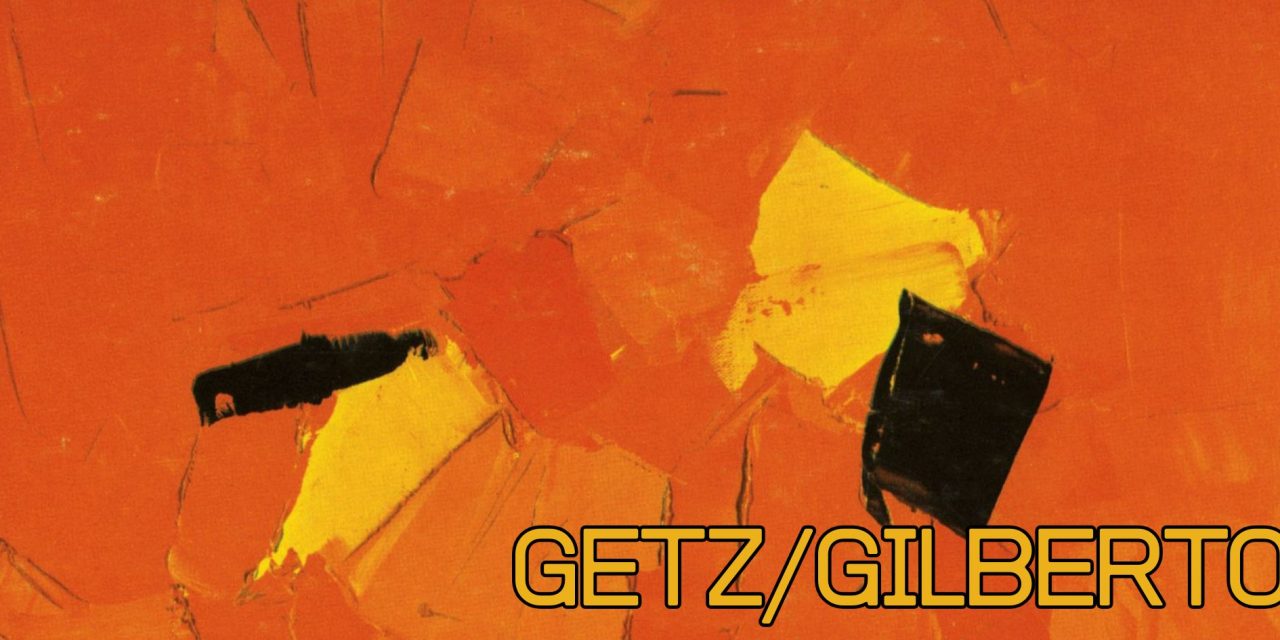
Some albums ask for your attention. Getz/Gilberto simply invites you to settle into the nearest comfortable chair, exhale, and stay awhile. Long before “lo-fi beats,” café playlists, and chill-out mixes dominated streaming platforms, this remarkable collaboration quietly established the blueprint for music that feels effortless without ever sounding ordinary.
Released in 1964, Getz/Gilberto brought together American cool jazz and Brazilian bossa nova in a way few thought possible. The result wasn’t just another successful jazz record—it became the foundation for the sophisticated lounge sound that continues to influence cafés, hotel lobbies, vinyl collections, and relaxing playlists around the world.
More than sixty years later, its gentle rhythms, understated performances, and elegant production still shape how we define musical relaxation.
When Jazz Crossed the Atlantic
The story of Getz/Gilberto began with curiosity.
After hearing João Gilberto’s groundbreaking 1959 album Chega de Saudade, saxophonist Stan Getz became fascinated by the gentle rhythmic pulse and understated beauty of Brazilian bossa nova. Rather than simply borrowing elements of the style, he wanted to collaborate with the musicians who had helped create it.
That opportunity arrived in March 1963.
Produced by Creed Taylor for Verve Records, the sessions took place at RCA Victor Studio A in New York, bringing together Stan Getz, João Gilberto, Antônio Carlos Jobim, Astrud Gilberto, bassist Sebastião Neto, and drummer Milton Banana.
Together, they recorded eight compositions written primarily by Antônio Carlos Jobim and lyricist Vinícius de Moraes, including The Girl from Ipanema, Corcovado, Desafinado, Quiet Nights of Quiet Stars, How Insensitive, Dreamer, Só Danço Samba, and Once I Loved.
The sessions were remarkably efficient.
Completed over just four days with a modest production budget, the recordings relied almost entirely on acoustic instruments, brushed drums, upright bass, and nylon-string guitar. Instead of filling every available space, the arrangements embraced restraint, allowing each musician to contribute only what the music truly needed.
That simplicity became one of the album’s greatest strengths.
Rather than sounding sparse, the performances feel intimate, warm, and conversational. Every note seems to arrive naturally, creating the relaxed atmosphere that would later define lounge music across generations.
Why Every Musician Played Less—and Said More
One of the reasons Getz/Gilberto continues to feel timeless is that every performer understood the value of restraint.
Stan Getz approached the sessions very differently from his earlier bebop recordings. Instead of filling solos with dense harmonic lines, he softened his tone, narrowed his vibrato, and allowed each phrase to breathe. His warm tenor saxophone floated gently above the rhythm section, complementing rather than competing with João Gilberto’s guitar.
That balance became one of the album’s defining characteristics.
João Gilberto anchored every performance with his signature nylon-string guitar technique. His gentle 2/4 rhythmic pulse, subtle chord voicings, and slightly behind-the-beat timing created the unmistakable sway that listeners now associate with classic bossa nova. Rather than driving the music forward aggressively, his guitar quietly supported every melody.
Together, the two musicians demonstrated that technical brilliance didn’t require constant complexity.
Even the improvisation remained remarkably disciplined. Solos were concise, melodies stayed central, and every musician left generous space for the others to contribute. Instead of showcasing virtuosity for its own sake, the ensemble prioritized mood, conversation, and collective expression.
The arrangements reflected the same philosophy.
Most tracks relied on only a handful of instruments—tenor saxophone, nylon-string guitar, upright bass, brushed drums, pandeiro, and subtle rhythm guitar overdubs. Familiar jazz song structures provided enough framework for improvisation while preserving the relaxed flow that made the performances feel effortless.
The result was music that sounded sophisticated without becoming intimidating.
The Voice That Introduced Bossa Nova to the World
While Stan Getz and João Gilberto anchored the album instrumentally, it was Astrud Gilberto who unexpectedly became its breakout star.
Before these sessions, she had never recorded professionally.
Originally present simply to accompany her husband João Gilberto, Astrud was asked to sing the English verses of The Girl from Ipanema after Stan Getz suggested the bilingual approach might appeal to American audiences.
Few could have predicted what happened next.
Her soft, understated vocal delivery fit the music perfectly. Rather than relying on dramatic phrasing or powerful projection, Astrud sang with remarkable intimacy, allowing every lyric to feel personal and unforced.
That quiet performance transformed the song.
Released as a single, The Girl from Ipanema climbed to number five on the Billboard Hot 100 and went on to win the 1965 Grammy Award for Record of the Year. More importantly, it introduced millions of listeners to bossa nova for the very first time.
Although Astrud’s financial compensation became one of the unfortunate controversies surrounding the album, her artistic contribution proved immeasurable.
Her relaxed vocal style helped establish a new standard for crossover jazz recordings, influencing countless singers who sought elegance through subtlety rather than vocal excess.
Today, it’s difficult to imagine Getz/Gilberto—or the evolution of lounge music itself—without her voice.
Why Getz/Gilberto Still Shapes Lounge Music Today
Few albums have influenced modern listening culture as quietly—and as profoundly—as Getz/Gilberto.
Its combination of warm acoustic instruments, restrained performances, spacious production, and effortless sophistication became the template for everything from smooth jazz and café playlists to chillhop, lo-fi, hotel lounges, and premium streaming playlists designed for relaxation.
Listen closely to many contemporary “coffeehouse,” “sunset,” or “evening unwind” playlists and you’ll hear echoes of the same principles that defined this album more than sixty years ago.
Minimal arrangements.
Gentle rhythms.
Warm acoustic textures.
Music that creates atmosphere without demanding attention.
That’s the true legacy of Getz/Gilberto.
It didn’t simply popularize bossa nova outside Brazil. It taught generations of musicians, producers, and listeners that elegance often comes from knowing what to leave out. In doing so, it established a blueprint that continues to shape how we experience relaxed listening today.
Conclusion
Getz/Gilberto remains one of those rare albums that feels completely timeless. By blending American cool jazz with Brazilian bossa nova, Stan Getz, João Gilberto, Astrud Gilberto, and Antônio Carlos Jobim created more than a successful recording—they created an entirely new listening experience.
Its influence extends far beyond jazz history. Every understated café playlist, every sophisticated lounge mix, and every carefully curated evening soundtrack owes something to the musical philosophy this album helped establish.
Sometimes the most enduring innovations aren’t the loudest ones. Sometimes they arrive quietly, settle comfortably into the background, and stay with us for decades.
When you want to unwind, do you reach for classic bossa nova, smooth jazz, or modern chill playlists? Share your favorite relaxing soundtrack in the comments, and keep exploring the albums, artists, and stories that continue to shape today’s listening culture here on DLK Lounge.
