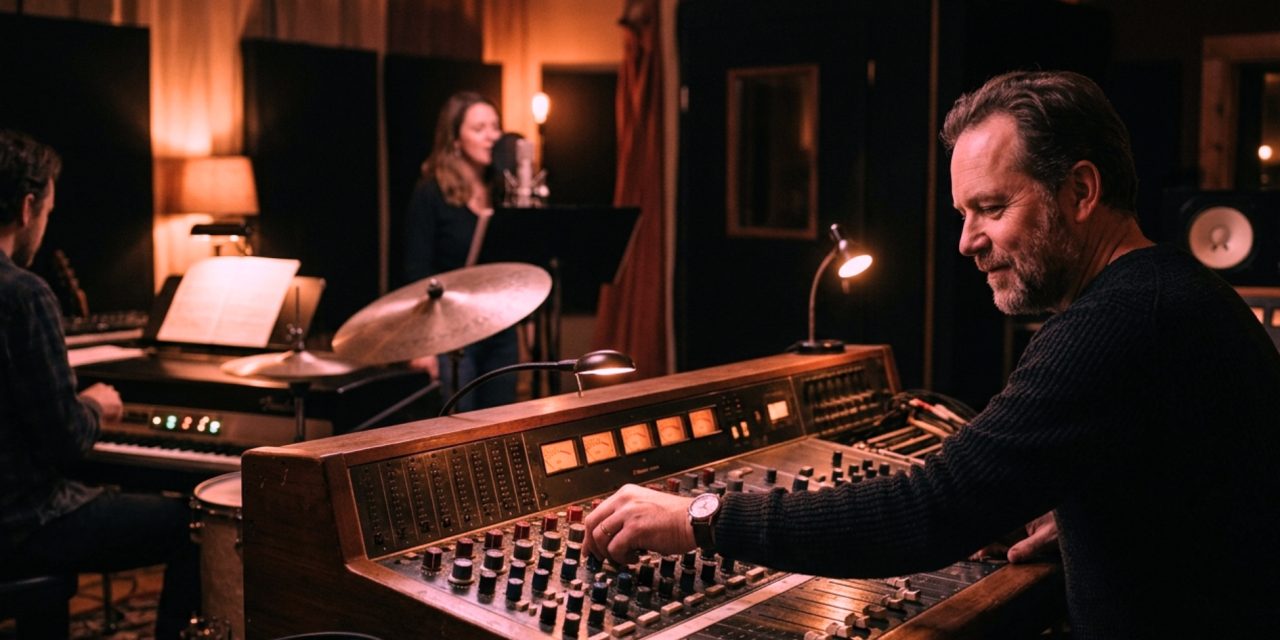
Lounge music depends on subtlety. The groove is relaxed, the tones are soft, and nothing should feel sharp or forced. But highs can easily disrupt that balance. One harsh vocal edge or brittle cymbal, and the whole track loses its late-night calm.
That is why shaping high frequencies is less about boosting brightness and more about controlling feel. In lounge mixes, highs should add air and space, not tension. Think of it like touch on a piano or phrasing in a vocal. It is expressive, not aggressive.
Controlling Presence Before Adding Air
The biggest mistake in smooth mixes is chasing sparkle too early. In reality, warmth starts by dealing with the harsh zones first.
Most of that tension sits around the 6–9kHz range. If left unchecked, it creates that “ice-pick” effect that breaks the mood. Gently easing that area allows everything else to settle. This is where even a simple EQ move, like a small dip around 6.8kHz, can make a vocal feel instantly smoother.
Once that edge is controlled, adding air becomes musical. Subtle boosts in the 12–20kHz range bring openness without pushing the sound forward too aggressively. This is similar to the classic Pultec-style approach, where a gentle high lift is balanced by a broad, almost invisible shaping of the mids.
The result is not a brighter sound, but softer clarity. The kind that sits naturally in a lounge mix without demanding attention.
Shaping Highs Like a Performance
In lounge music, highs should move with the performance, not sit rigidly on top of it.
A soft high-shelf lift, around 8–10kHz, can add that silky texture to vocals or keys. But if everything stays boosted all the time, the mix starts to feel artificial. This is where dynamic control becomes part of musicianship.
Instead of cutting harshness constantly, let it respond. For example, gently taming peaks around 7kHz only when they jump out keeps the natural air intact. It is the difference between flattening a performance and guiding it.
Even small tonal tilts, like slightly easing the upper range while keeping lower warmth intact, help maintain balance. It is similar to how a band adjusts volume in real time. Nobody dominates, everything blends.
When done right, cymbals shimmer instead of splash. Vocals breathe instead of pierce. Pads and keys float in the background, creating that smooth lounge atmosphere.
Conclusion
Warm highs in lounge music are built through restraint and awareness. The technical tools matter, but they serve a musical purpose, not the other way around.
By softening harsh presence first, then adding controlled air, you shape a top end that feels natural and inviting. The mix stays clear, but never tiring. Smooth, but never dull.
That balance is what keeps lounge music immersive. It is not just about what you hear. It is about how long you can stay in that sound without wanting to turn it down.
Have you ever had a mix that sounded smooth at first, then the highs slowly made it impossible to sit with?
Stay locked into DLK Loungefor more breakdowns that help you keep your mixes smooth, musical, and easy to live in.
